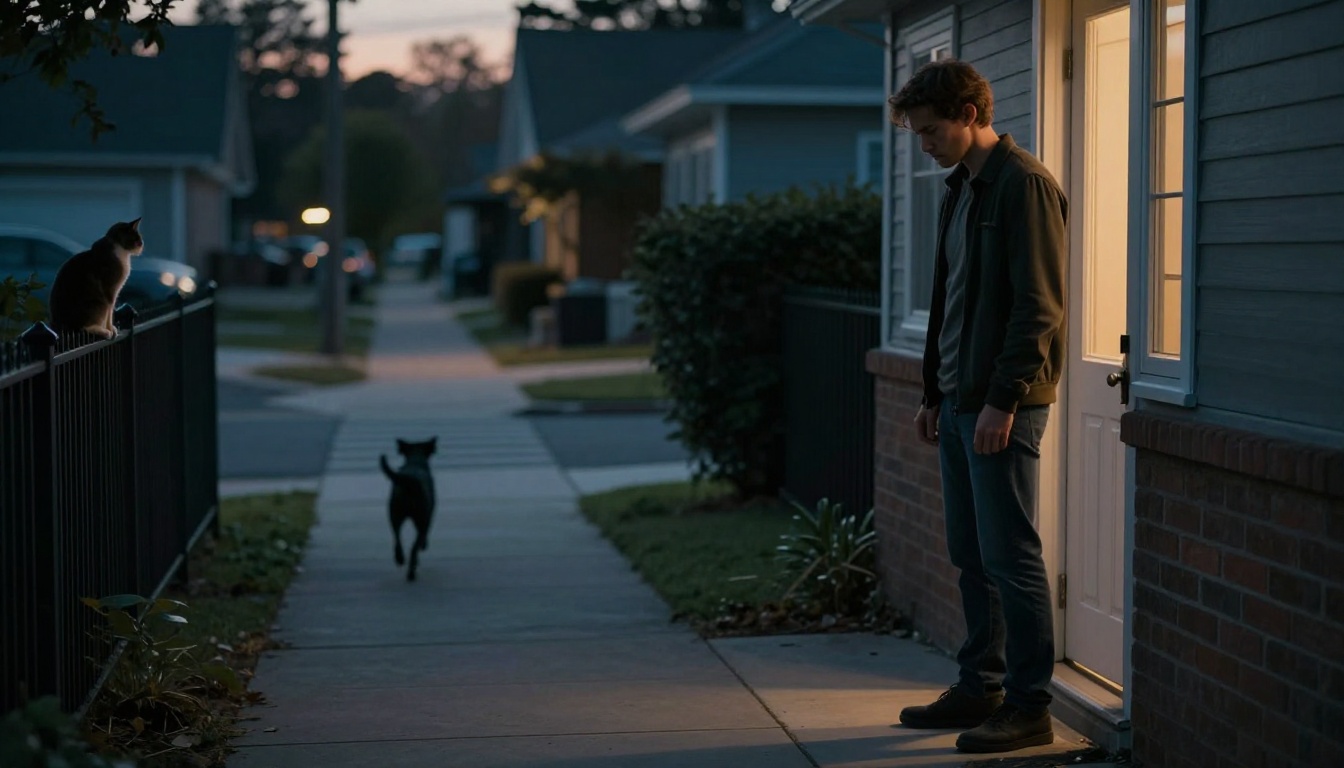
Imagine this. You open the front door for a quick delivery. Your dog slips past your legs and bolts down the street. Panic hits hard. Or your cat darts out at night and vanishes into the shadows. These moments crush hearts. In the US, over 10 million dogs and cats go missing each year. Recent data shows dogs recover at 63 to 97 percent rates, while cats sit around 52 percent. Yet hope shines bright.
Microchips make a huge difference. Lost dogs with chips return three times more often than those without. Chipped cats reunite at rates 20 times higher. Act in the first 24 hours, and odds climb because most pets stay close. Experts note 71 percent of dogs hide under one mile away. Cats often lurk within a third mile. Quick steps boost recovery to high levels.
This guide walks you through what to do if your pet gets lost. You’ll learn neighborhood searches, tech checks, and community alerts for dogs and cats. Tools like apps and trail cameras help too. Most pets come home if you move fast. Stay calm. Let’s start now.
Search Your Neighborhood Right Away Before They Wander Far
Time counts most in the first one to two hours. Pets panic and hide nearby. Dogs bolt but circle back. Cats freeze in bushes or sheds. Data backs this. About 66 percent of recovered cats return on their own, often close by. Dogs show up under a mile away 71 percent of the time.
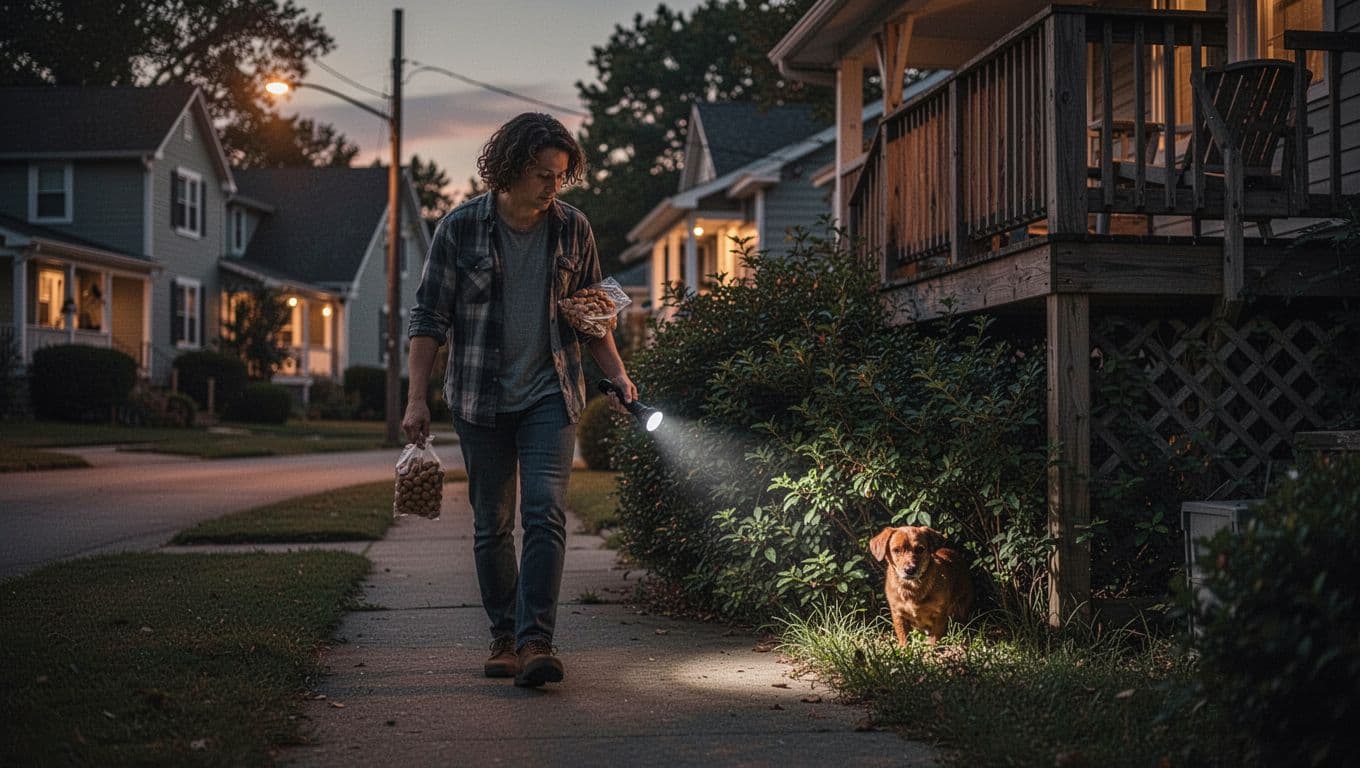
Walk slowly. Call your pet’s name in a soft, happy voice. Shake treats or their favorite toy. Bring a spare leash and collar. Check spots they love, like parks for dogs or quiet yards for cats. For cats, use a flashlight at dawn or dusk. Shine it low in dense bushes, under decks, and in garages. Neighbors’ cameras catch glimpses too.
Ask folks next door to peek in sheds or scan footage. Note every detail in a search log. Jot time, spots checked, weather, and pet facts like color or size. Snap fresh photos. Set up a home base. Grab a notebook, phone charger, and volunteer list there.
Dogs roam farther, so cover trails and alleys. Cats stick tight, so focus on hides. Stay calm. Panic scares them off. Organize shifts if help arrives.
In 2026, trail cameras rise in use. They spot shy pets without disturbance. Here’s a simple plan:
- Start at home and fan out in circles.
- Search quiet times when streets empty.
- Carry smelly treats dogs crave.
- For cats, sit still and meow softly.
This finds 70 percent of pets nearby. Keep at it before they move on.
Set Up Scent Trails and Food Stations to Guide Them Home
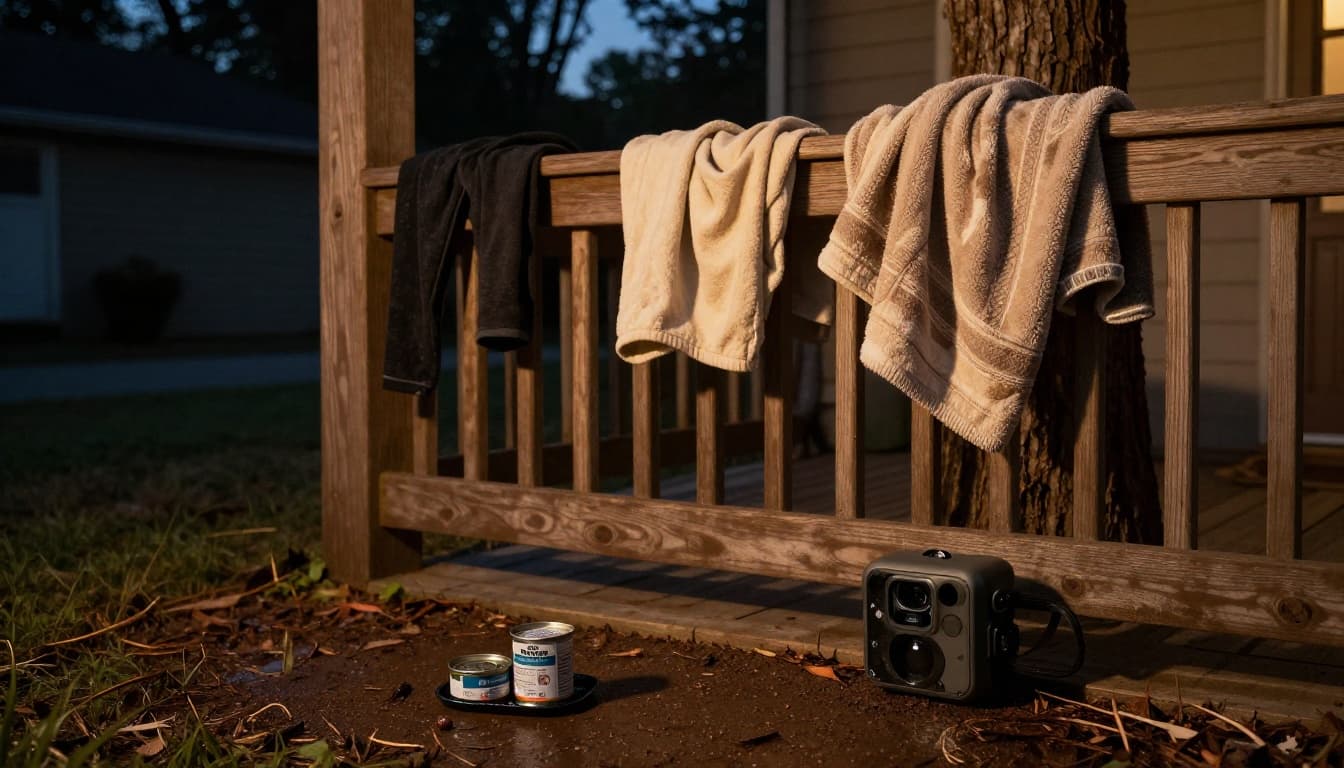
After initial walks, shift to draws in hours two through six. Pets follow familiar smells home. Place unwashed clothes or a blanket at the last seen spot and your door. No food yet. It draws predators.
For cats, set one main wet food station with tuna at that spot. Add quiet extras near bushes or decks. Check them softly at dawn and dusk. Kneel low if you spot eyes glowing.
Trail cameras watch stations 24/7. Strap one low on a tree. Apps send alerts to your phone.
Dogs need scent only at first. Avoid multiple spots. It confuses them. Coordinate via a WhatsApp or Facebook group from your command center. One person checks cams. Another refills food.
This method pulls pets back without chase. Results show it works well for locals.
Tap Into Tech Tools and Verify Your Pet’s ID Info
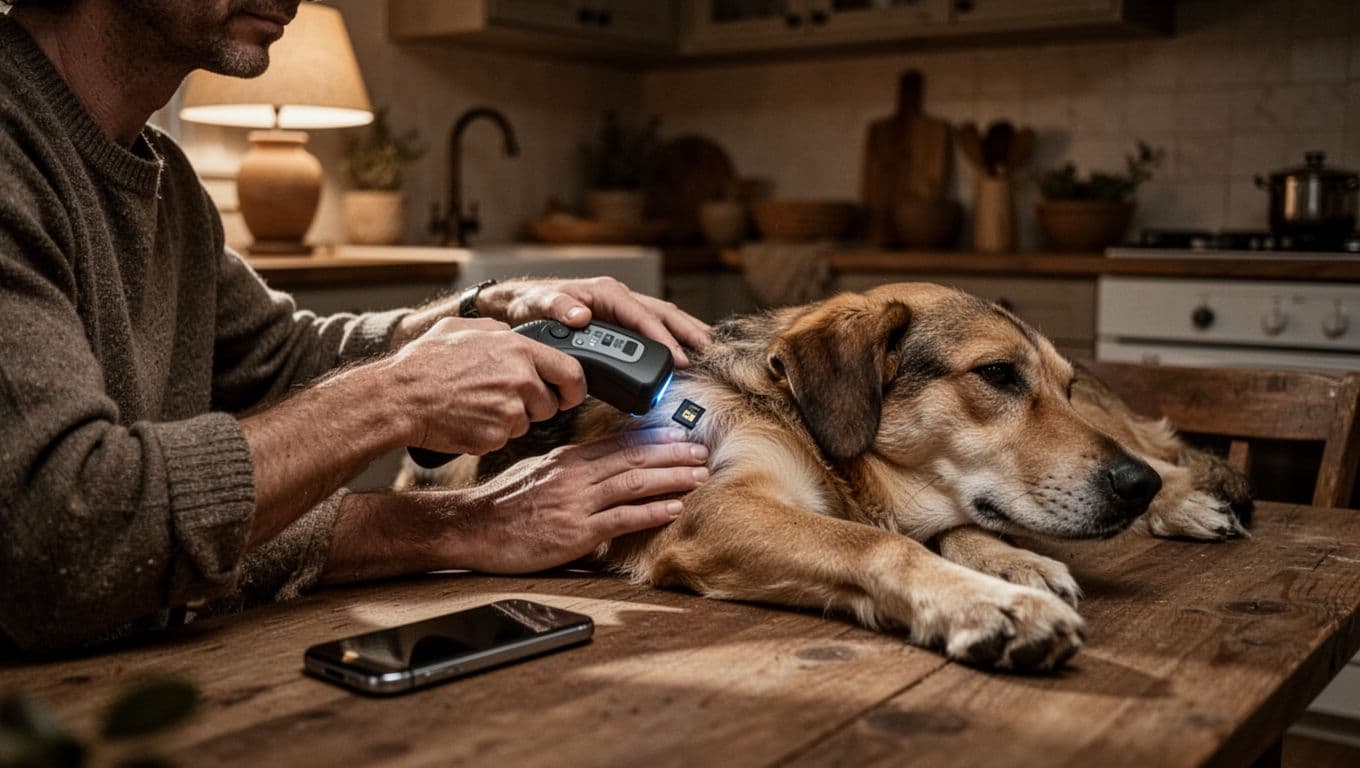
Next, handle tech in 30 to 60 minutes. Report the microchip right away. Call the company like PetLink. Update contacts and add backups. Chipped pets reunite far more. Dogs return three times higher. Cats hit 20 times better odds.
Prep a lost kit ahead. Include clear photos from all angles, chip number, and local shelter list. GPS collars track in real time for 2026 trends. Apps like PetLink show last spots.
Check daily. Share locations with search teams.
Register if needed. Sites make it simple.
Double-Check Trackers and Update Emergency Contacts
Scan chips yourself with a reader if you have one. Update apps like GPS ones. List backup phones for family. Check trackers morning and night.
This catches strays fast. Tech boosts reunions big time.
Alert the Community with Flyers, Apps, and Social Media
Now spread the word ongoing. Call shelters, vets, animal control, and police daily. Bring photos and descriptions. Check nearby towns too. Visit in person.
Flyers work great. Post at poles, stores, and vets. Use bright paper and big pet pics.
Apps speed alerts. Try PawBoost for local blasts. Or Petco Love Lost with photo matching. It reunited over 20,000 pets. Nextdoor shares neighborhood wide. Petfinder lists lost ones too.
Social media amplifies. Post in local lost pet Facebook groups first. Use high-res face and body shots. Note exact spot, colors, and a reward. Update daily. Create event pages for volunteers.
Radio stations air free spots sometimes. For cats, set humane traps near stations.
In 2026, night searches and apps trend up. Community nets high success.

Craft Posts That Get Shares and Use Top Lost Pet Apps
Include key details in posts. Pet name, breed, last direction, unique marks. Add “reward” but skip amount. Tag local groups.
Apps like PawBoost send AMBER-style alerts. Petco matches faces with AI. Post once, reach millions.
Shares skyrocket with clear pics.
Hit Up Shelters, Vets, and Local Hotspots In Person
Go daily. Show photos. Ask scanners to check chips. Visit dog parks or cat colonies. Bring flyers.
In-person builds trust. Staff remember faces.
Most pets return via these steps. Act in 24 hours. Use tech and neighbors. Stats show microchips triple dog returns. Flyers and social lead methods.
Trail cameras and apps rise in 2026. Prep now with chips, GPS, tags, and a kit.
Share this if it helps. Comment your story below. What worked for you? Quick moves make reunions real. Your pet waits close by.