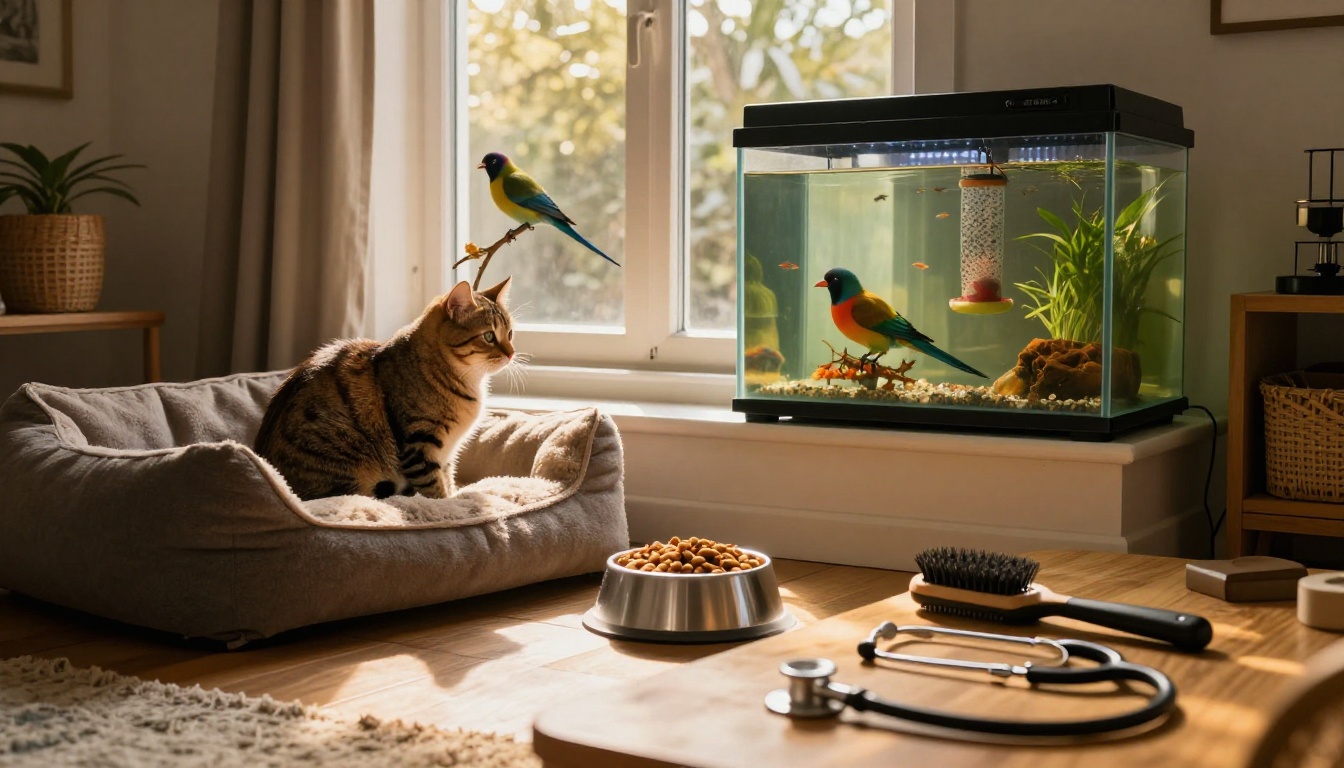
Over 97% of U.S. pet owners view their pets as family members. That’s a huge number of homes treating furry, feathered, or finned friends like kids. Yet simple oversights in care can lead to health issues or unhappy pets.
You want your pet to thrive, right? The basic needs every pet requires boil down to food, water, shelter, clean air, exercise, grooming, healthcare, and social time. These essentials keep pets energetic and content. Miss them, and problems like obesity or stress pop up fast.
This guide covers physical basics first. Then we look at activity, care routines, and bonds. Finally, pet-specific tips help you tailor care. Ready to check your setup?
Fueling Your Pet with Proper Food and Fresh Water
Pets need the right fuel to stay strong. High-quality food matches their species. Dogs do well on kibble packed with protein. Cats thrive on meat-based meals since they’re obligate carnivores. Birds enjoy seeds mixed with fruits and veggies. Fish get flakes suited to their type. Small mammals munch unlimited hay plus pellets.
Feed most pets twice a day. Use small portions to cut waste and control weight. A balanced diet boosts energy and growth. Overfeeding leads to obesity, so watch amounts closely.
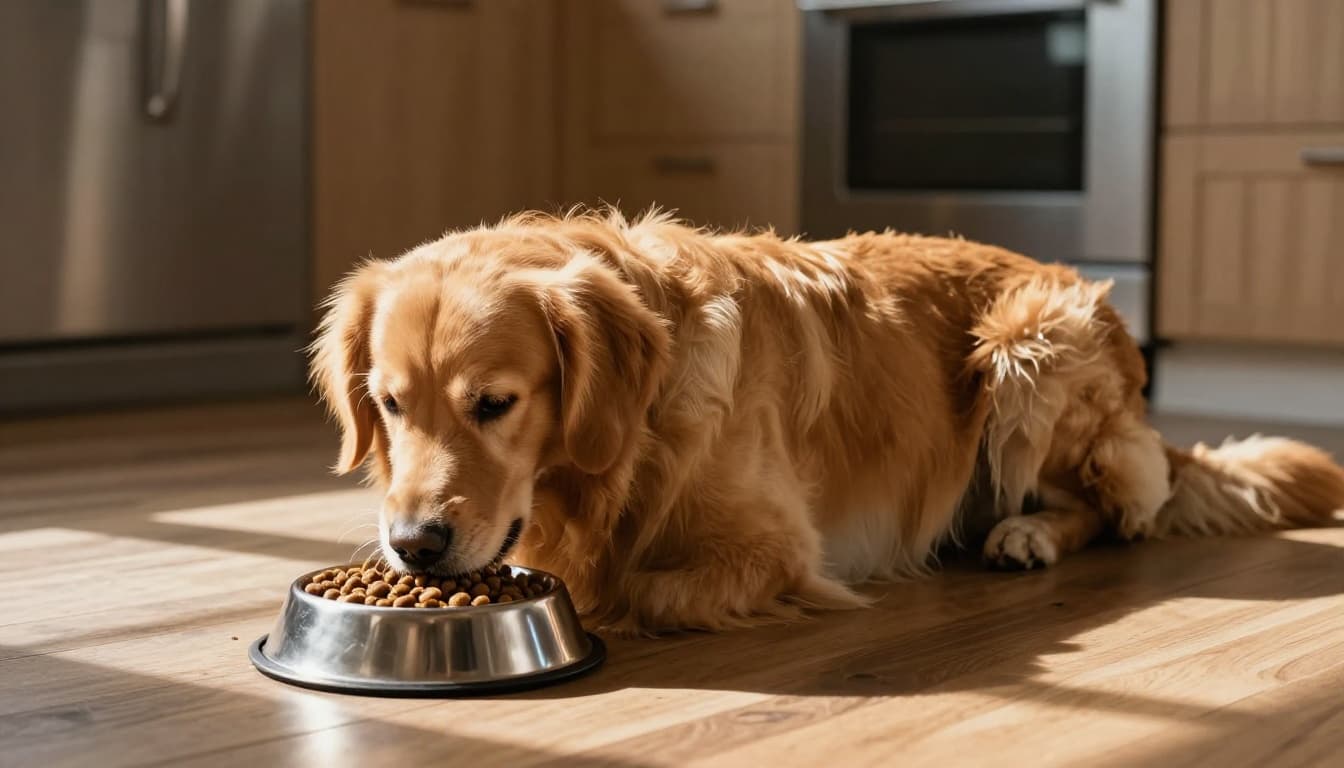
In 2026, vet-approved raw diets gain popularity. They mimic natural eating for better coats and steady energy. Always check with your vet before switching.
Picking the Best Diet for Long-Term Health
Choose food by pet type for best results. Dogs need energy-rich kibble with grains or grain-free options. Cats demand meat-heavy formulas; skip carb overloads. Birds mix seeds, nuts, fruits, and greens daily. Fish flakes vary by freshwater or saltwater needs. Small mammals get 80% hay, then pellets and veggies.
Portion control matters most. Puppies eat more often; adults stick to set meals. Benefits include fewer deficiencies and steady growth. The ASPCA offers detailed cat nutrition tips that apply broadly.
Transition foods slowly over a week. Mix old and new to avoid tummy upset. Result? Shinier fur and peppier steps.
| Pet Type | Key Food Base | Daily Feeds |
|---|---|---|
| Dogs | Protein kibble | 2 meals |
| Cats | Meat patties | 2-3 meals |
| Birds | Seeds/fruits | Throughout |
| Fish | Species flakes | Continuous |
| Small Mammals | Hay/pellets | Unlimited hay |
This table sums expert advice. Use it for quick checks.
Hydration Hacks to Keep Your Pet Thirsty No More
Water keeps every pet alive. Dogs gulp a lot after play. Cats drink less but still need fresh supply. Birds dip beaks often. Fish absorb through gills, so tanks stay pristine. Small mammals sip from bottles.
Change water daily. Clean bowls or bottles stop bacteria. Fountains entice picky cats. Dehydration signs include dry gums or lethargy. Pinch skin; if it stays tented, act fast.
Most pets drink an ounce per pound of body weight daily. Add ice in summer. Clean tanks keep fish healthy too.
Building a Safe Shelter and Clean Environment
A secure home cuts stress for pets. Dogs love crates or fenced yards. Cats pick cozy indoor nooks. Birds need cages with perches. Fish require aquariums; small mammals get hutches.
Make spaces escape-proof and weather-tight. Size counts; bigger means less boredom. In 2026, trends favor indoor rabbits and larger fish tanks for comfort.

Good setups prevent illness. They let pets rest easy.
Custom Spaces That Feel Like Home
Tailor shelters to habits. Dogs roam fenced yards safely. Cats claim litter zones and high perches. Birds get enriched cages with swings. Fish tanks feature plants and hides. Small mammals need run space and burrows.
Hiding spots ease anxiety. Aquascaping adds beauty to fish homes, a hot 2026 trend. Check the AVMA companion animal care guidelines for standards.
Secure latches stop escapes. Soft bedding comforts all.
Fresh Air and Spotless Surroundings
Ventilation matters. Open windows for dogs; fans for birds. Skip smoke or strong scents everywhere.
Clean weekly for cages, daily for litter. Vacuum fish gravel often. Change small mammal bedding to dodge smells. Toxins like cleaners harm fast, so use pet-safe ones.
Routines build health. Spotless spots mean fewer vet trips.
Exercise, Grooming, Healthcare, and Social Play
Active pets stay fit. Dogs need 30-60 minute walks daily. Cats chase toys or climb. Birds flap in safe rooms. Fish swim in current-rich tanks. Small mammals wheel or chew.
Grooming prevents mats. Brush dogs weekly; mist birds. Trim nails often. Healthcare includes yearly vet checks, vaccines, and dental care. Average spend hits $1,242 on vet needs in 2026.
Social time bonds families. Dogs crave packs; guinea pigs need pairs.

These habits build strong bodies and moods.
Fun Ways to Get Your Pet Moving Daily
Walk dogs briskly each morning. Cats pounce laser pointers. Birds forage toys for mental kicks. Boost fish flow with filters. Let small mammals roam playpens.
Mix physical and brain games. Puzzle feeders tire pets happily. Aim for consistency.
Grooming and Vet Visits That Save Lives
Brush coats weekly to cut hairballs. Bathe monthly if needed. Annual exams catch issues early. Spay or neuter boosts longevity. Flea treatments protect year-round.
Pet-specific: trim bird beaks, test fish water. Budget $400-600 yearly for basics.
Making Friends: Social Needs Your Pet Craves
Spend time daily petting or playing. Dogs join family walks. Cats nap nearby. House birds or fish in groups. Guinea pigs thrive in pairs.
Loneliness stresses them. Handle small mammals gently often. Bonds deepen joy.
How Needs Differ for Dogs, Cats, Birds, Fish, and Small Pets
Dogs top U.S. homes at 68 million households. Cats follow with 49 million. Fish grace 11.9 million; birds and small mammals each about 6 million.
Needs vary slightly. All share food and water basics. But exercise and space differ.
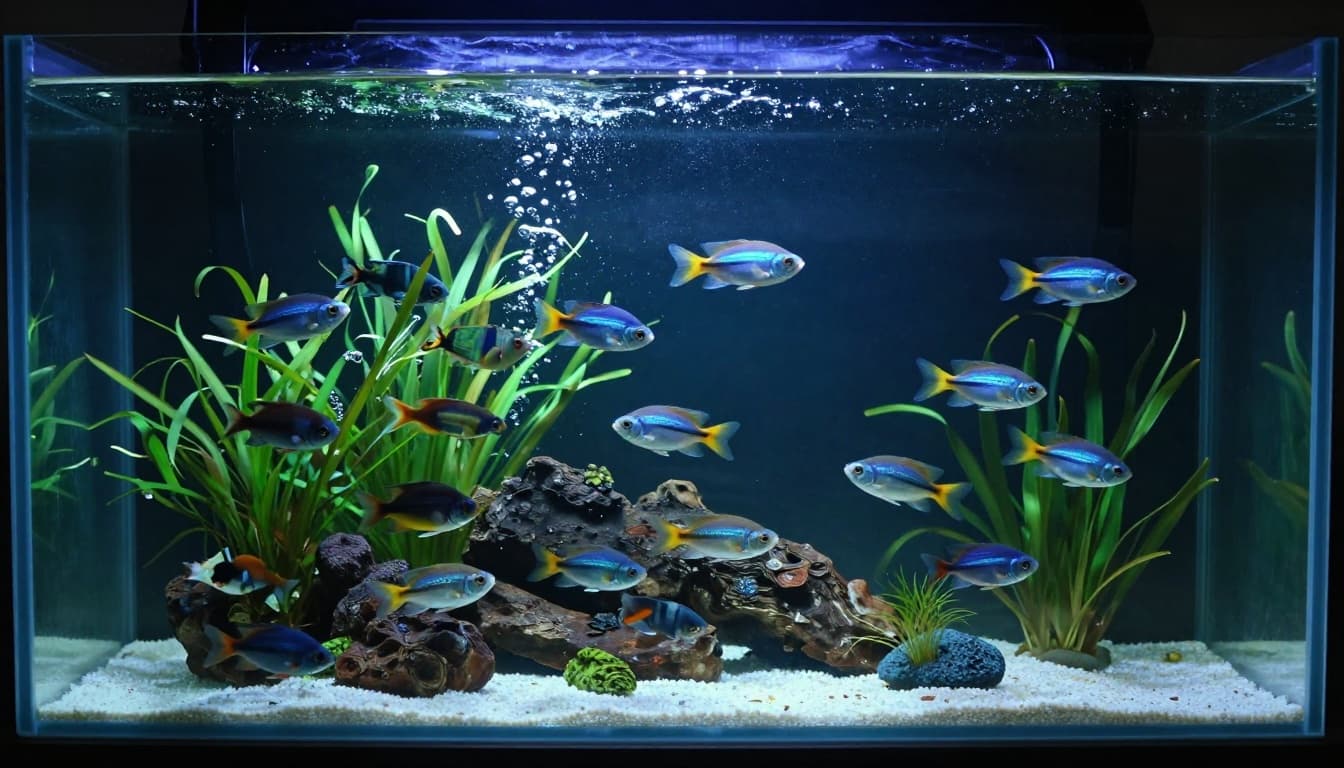
Group housing suits guinea pigs; aquascaping wows fish keepers.
| Pet | Exercise | Social Key |
|---|---|---|
| Dogs | Daily walks | Family pack |
| Cats | Indoor play | Owner time |
| Birds | Fly/preen | Pairs/toys |
| Fish | Tank currents | School groups |
| Small | Chew/wheels | Pairs/chews |
This quick view helps compare.
Dogs and Cats: Your Classic Companions
Both need protein food and clean water. Dogs demand more walks and group play. Cats groom solo but love solo hunts. Shelters overlap: yards for dogs, corners for cats.
Dogs pack-bond stronger. Cats stay independent.
Birds, Fish, and Small Mammals: Smaller but Special
Cages or tanks focus here. Birds preen and flock. Fish need clean, planted worlds. Small mammals chew and pair up.
2026 sees indoor rabbits and guinea groups rise. Vet consults fine-tune all.
Basic needs shape thriving pets. Food, water, shelter, air, exercise, grooming, healthcare, and friends build long lives. In 2026, smart routines match family views.
Audit your pet’s day today. Book that vet slot. Share below: which need did you tweak? Happy pets fill homes with joy. Check AVMA pet ownership guidelines for more.