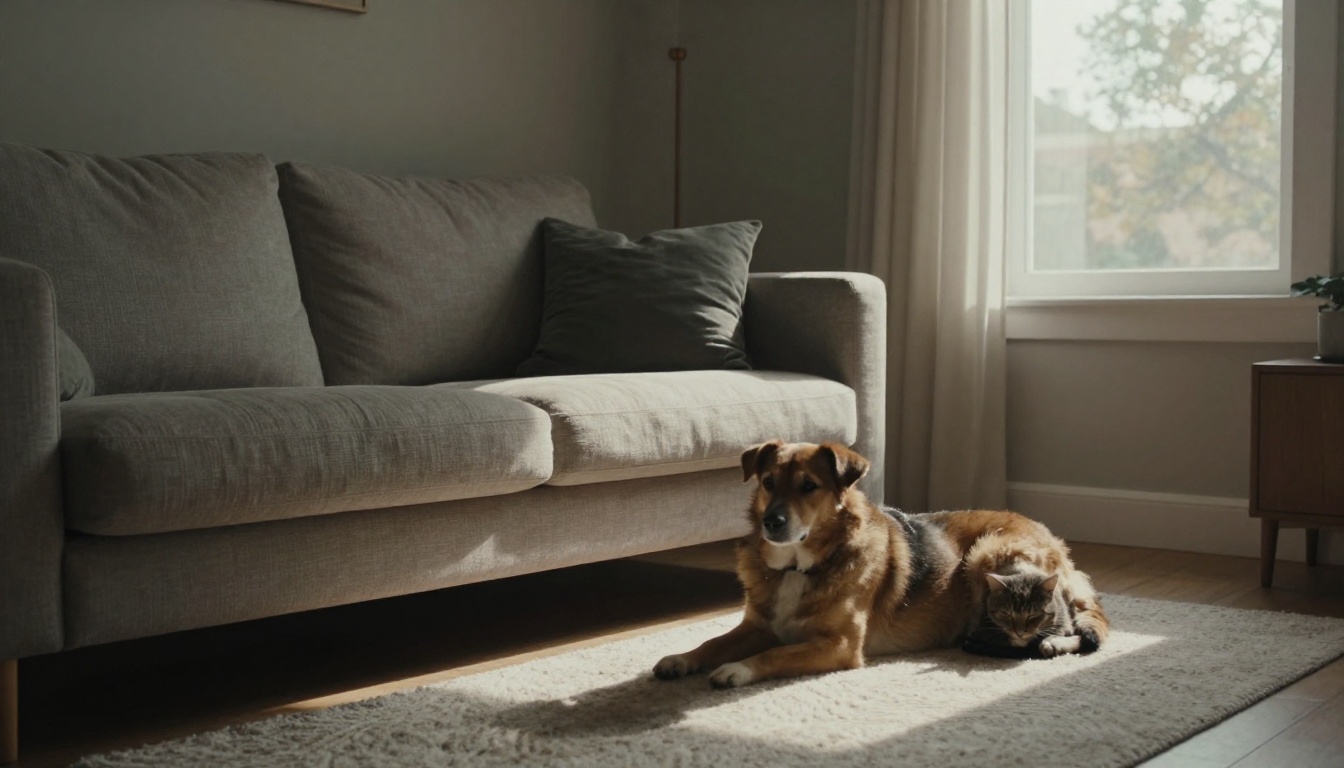
About 71% of U.S. households own pets in 2026. That’s 94 million homes with dogs in 68 million of them and cats in 49 million. Numbers like these show pets bring joy to most families.
You might dream of a loyal dog or a cuddly cat. But the wrong choice leads to stress. A mismatched pet means extra work, vet bills, or even returns. Pick one that fits your space, schedule, and energy. This cuts hassle and boosts happiness.
Millennials and Gen Z lead ownership trends. They seek companions that match busy lives. So assess your home first. Then match pets to your routine. You’ll find the perfect fit and build a strong bond.
Start by Assessing Your Home and Daily Routine
Look at your living space before anything else. Does your apartment cramp a big dog’s style? Or does a house with a yard call for active breeds? Time matters too. Who handles walks or feeding?
Activity levels shape choices. Couch potatoes pair with chill pets. Runners need high-energy pals. Family setup counts as well. Kids demand gentle types. Allergies push toward low-shed options.
Ask yourself key questions. Do you work long hours? Live alone or with kids? Rent with pet rules? These guide smart picks. Apartments favor quiet, small pets. Houses suit bigger ones.
Measure Your Available Space and Mess Tolerance
Small spaces limit options. Cats handle tight spots well. They use litter boxes quietly. Fish tanks under 10 gallons fit corners. Birds stay in cages.
Big dogs need yards. They roam and play outside. Mess tolerance varies. Cats groom themselves. Dogs track dirt indoors. In 2026, more rent apartments. So low-mess pets win.

Check best low-maintenance pets for apartments in 2026. They list cats and fish as top fits.
Gauge Your Time and Energy for Pet Care
Busy days suit independent cats. They nap while you work. High-energy dogs like Border Collies demand one to two hours of play. They run and fetch daily.
Seniors often pick low-exercise options. Small dogs or cats offer company without strain. Match your pace. If you hike often, choose active breeds. Otherwise, opt for calm ones.
Consider Family Dynamics and Health Needs
Kids thrive with sturdy dogs like Labs. They teach care and play gently. Allergies call for hypoallergenic breeds or fish. No fur means less sneezes.
Gen Z families often keep two pets. They handle multi-pet homes. Check health first. Some breeds shed less. Others stay small for safety.
Discover the Best Pets for Your Specific Lifestyle
Match pets to your life for harmony. Apartments take cats or birds. Busy homes fit medium dogs. Active folks love energetic breeds. Seniors seek calm companions.
This setup cuts returns. About 75% of cat owners feel better daily. Dogs join adventures. Fish relax you. Find what clicks.
Top Picks for Apartment Dwellers and Small Spaces
Cats rule small homes. They leap and lounge anywhere. No walks needed. Fish add color without noise. Birds chirp softly in cages.
Skip large breeds. They bark and pace. These picks keep peace with neighbors.
Ideal Pets for Busy Families with Kids
Medium dogs like Labs handle chaos. They play rough yet gentle. Cats chill amid toys and noise. Gen Z reports 70% multi-pet homes.

See best dogs for kids and families in 2026. Labs top their list for patience.
Great Matches for Active Singles and Couples
Border Collies match runners. They hike and fetch endlessly. Their smarts shine outdoors. Perfect for your adventures.

Companions for Seniors Seeking Calm Company
Small dogs like Cavaliers sit quietly. Cats purr on laps. Fish watch from tanks. Their calm boosts health.
Purring lowers stress. Check easiest pets for seniors for more ideas.

Weigh the Practical Side: Costs, Commitment, and More
Money adds up fast. Dogs cost more than cats yearly. Food, vet visits, toys fill budgets. U.S. spending hits $136 billion now.
Pets live 10 to 20 years. Plan for changes like moves or jobs. Local laws limit breeds. Travel needs sitters.
Budget for Ongoing Expenses Beyond the Adoption Fee
Dogs run $1,000 to $2,000 yearly. Cats stay at $800 to $1,500. Vet bills lead at $580 for dogs, $433 for cats.
Food and grooming follow. Buy durable toys. Millennials pick health foods.
Review average cost of owning a dog or cat in 2026 for breakdowns.
Plan for the Long Haul and Lifestyle Changes
Commit 12 to 20 years. Kids grow, jobs shift. Choose adaptable pets. Rehome less with forethought.
Test the Waters Before Bringing Your Pet Home
Visit shelters yearly. About 4 million adoptions happen. Meet pets in action. Foster tests fit without full ties.
Ask staff about habits. Try playdates. This avoids regrets.
Visit Shelters and Try Foster Programs
See real behavior up close. Fosters give home trials. Staff guide matches.

Explore foster care programs near you.
The right pet transforms life. Assess space, time, family. Match to cats for calm or dogs for fun. Budget wisely and test first.
You’ll gain a true friend. Head to a shelter today. That wag or purr awaits.