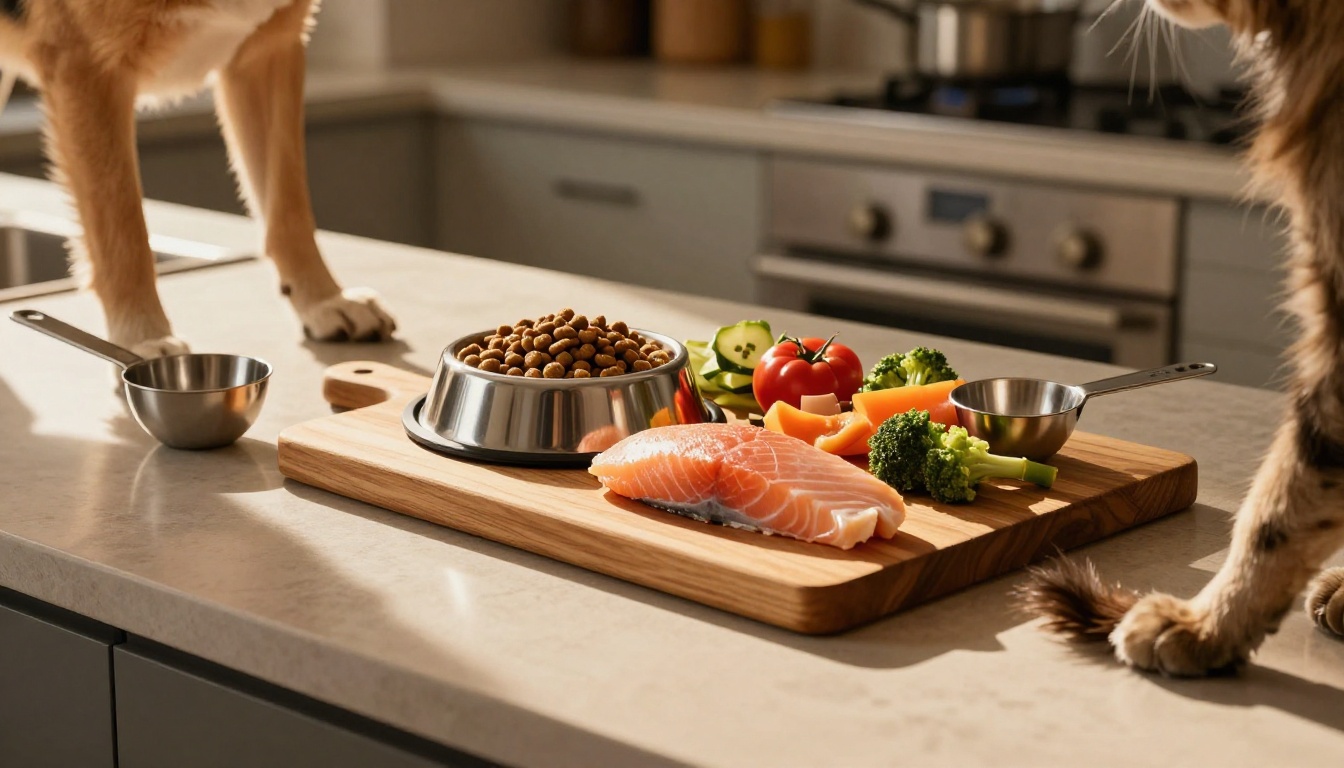
Your dog slumps on the couch after short walks. Or your cat ignores playtime and gains weight fast. Nearly 60% of dogs and 61% of cats in the US battle obesity, based on recent surveys. Poor food choices cause this issue, leading to diabetes, joint pain, and shorter lives.
You want your pet full of energy and free from vet bills. This beginner’s guide covers what should you feed your pet, from core nutrients to safe habits. It focuses on dogs and cats. You’ll learn basics, life stage needs, label tips, portions, dangers, and 2026 trends. Start here to keep tails wagging and purrs strong.
Unlock the Nutritional Basics Your Dog or Cat Craves
Pets need protein, fats, carbs, vitamins, and minerals every day. Protein builds muscles and repairs tissues. Dogs handle plant proteins well as omnivores. Cats, however, rely on animal sources because they crave meat.
Fats give energy and keep coats shiny. They help absorb vitamins too. Carbs aid digestion but stay low for cats. Vitamins like A support eyes. Minerals such as calcium strengthen bones. Think of it like kids needing growth fuel versus adults staying steady.
AAFCO sets standards for complete and balanced foods. These meet all needs through lab tests or feeding trials. For details on AAFCO standards, check this explanation of complete and balanced pet food.

Dogs vs. Cats: Spot the Feeding Differences
Dogs thrive on 18-25% protein from meat, with veggies and grains added. This mix fuels their active lives. Cats need over 30% protein and 50% fat from animals. Low carbs prevent weight gain and diabetes.
For example, a dog enjoys chicken and rice. A cat sticks to tuna or beef. These choices cut vet visits by supporting energy and health. Dogs digest starches better. Cats struggle with them, so grains fill them up without nutrition.
| Nutrient Focus | Dogs (Omnivores) | Cats (Carnivores) |
|---|---|---|
| Protein | 18-30%, mixed sources | 30-50%, animal-only |
| Fat | 10-20%, energy boost | 20-50%, coat/skin |
| Carbs | Moderate, digestion aid | Minimal, avoid excess |
This table shows key gaps. Match food to species for better results.
Match Food to Life Stages for Peak Health
Puppies and kittens grow fast. They require 22-32% protein, higher fats, and DHA for brain development. Calcium builds strong bones. Switch to adult food at 12 months for small breeds, up to 18 for large dogs.
Adults maintain weight with balanced calories. Seniors need fewer calories but joint aids like glucosamine. Easy-to-digest fibers help too. Life stage formulas prevent obesity and support longevity.
How to Pick Commercial Pet Food That Delivers Real Results
Scan the label first. Look for named meats like “chicken” as the top ingredient, not “by-products.” Avoid corn or wheat fillers that add empty calories. The AAFCO statement proves it’s complete for growth or maintenance.
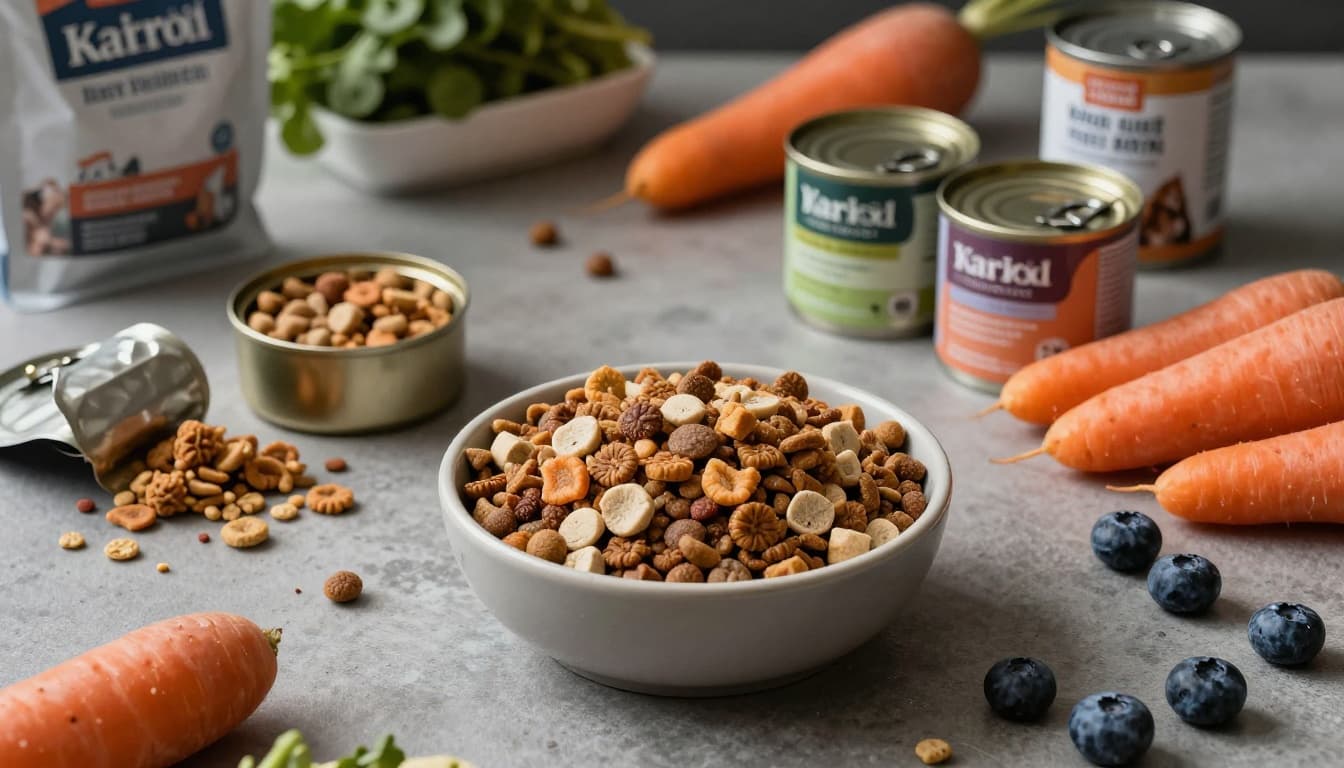
Dry kibble cleans teeth and costs less. Wet food adds water for hydration, great for picky cats. Mix both for variety and savings. Pick based on age, size, and activity. Active dogs need calorie-dense options. Sedentary cats get lighter formulas.
2026 trends favor breed-specific kibble with probiotics. These boost gut health without big changes.
Master Pet Food Labels Like a Pro
Start with the guaranteed analysis. It lists protein, fat, and fiber percentages. Then find the AAFCO phrase: “formulated to meet” or “feeding trials confirm.” All life stages covers puppies to seniors.
Real meat leads the list. Skip meals if by-products dominate. For a beginner’s guide to labels, see this simple breakdown for pet owners.
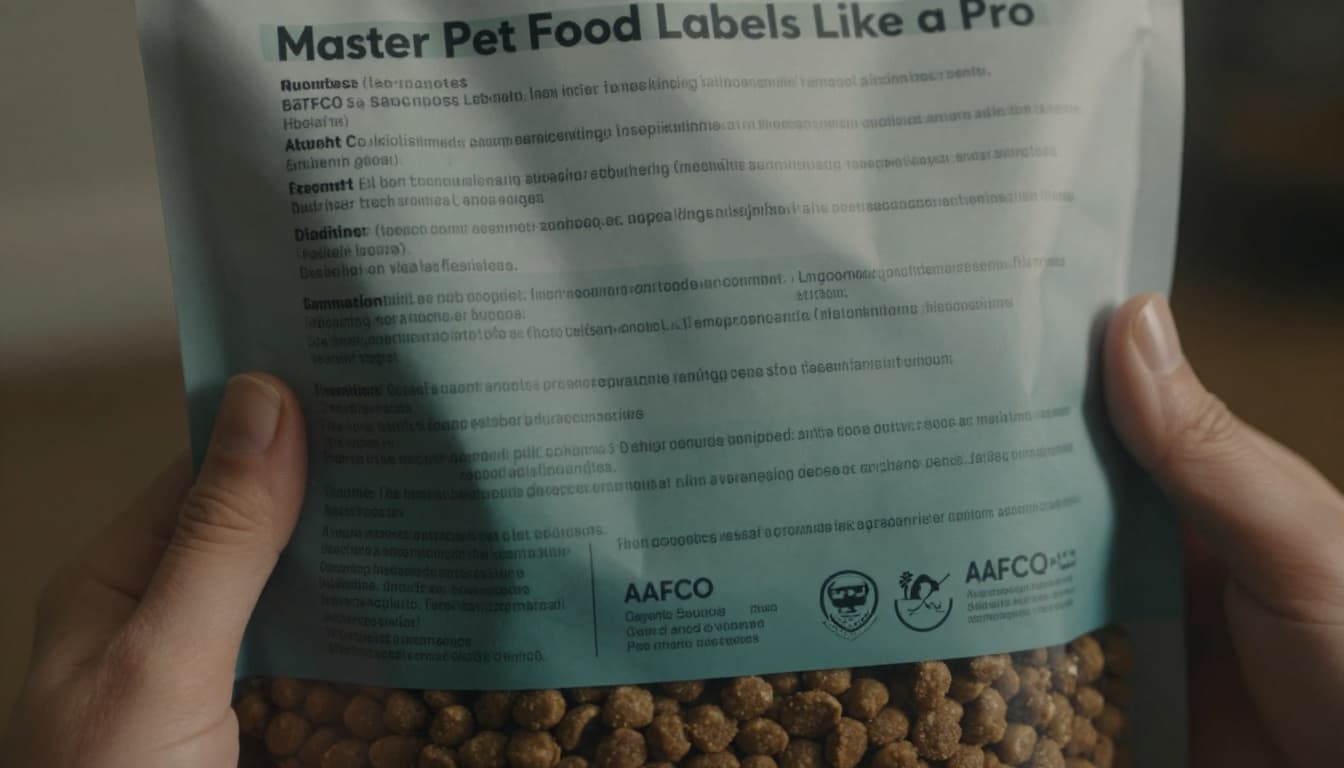
Calories matter too. Adjust for your pet’s needs. This skill saves money and boosts health.
Kibble, Wet Food, or Both: What’s Best for Your Pet
Kibble suits most budgets. It reduces plaque and stores easily. Wet food tempts finicky eaters and aids kidney health with moisture.
| Food Type | Pros | Cons |
|---|---|---|
| Dry Kibble | Dental benefits, convenient | Lower moisture |
| Wet Food | Hydration, palatability | Costlier, spoils faster |
| Mix | Variety, balanced perks | Needs planning |
A combo works best for many. Puppies love DHA-rich kibble. Seniors prefer wet for joints.
Nail Feeding Schedules, Portions, and Foods to Never Give
Measure food by weight, not cups. Base on label guidelines plus activity. Feel ribs with slight pressure; adjust if needed. Puppies eat 3-4 meals daily. Adults do twice. Seniors take smaller, frequent ones.
Puzzle feeders slow gulpers and add fun. They fight boredom too. Track with apps for easy tweaks.
Homemade diets risk imbalances. Consult vets first.
Perfect Portions and Schedules by Age and Size
Small puppies need frequent feeds for steady energy. Large breeds transition slower. Use this formula: label calories times activity factor (1.6 for active, 1.2 for calm).

Reduce by 10% if overweight. Weigh monthly. This prevents the 60% obesity rate.
Danger Zone: 8 Foods That Could Harm Your Pet
Skip these common risks. For full lists, visit ASPCA’s top toxins report.
- Chocolate: Theobromine causes heart issues.
- Grapes/raisins: Kidney failure in dogs.
- Onions/garlic: Destroys red blood cells.
- Xylitol: Drops blood sugar fast.
- Alcohol: Leads to coma.
- Yeast dough: Expands in stomachs.
- Bones (cooked): Splinter and choke.
- Milk: Many pets lack enzymes.
Swap with carrots or plain chicken. Safety first.
Special Diets and Fresh 2026 Trends to Supercharge Nutrition
Allergies call for novel proteins like duck. Kidney issues need low-phosphorus vet foods. Diabetes requires low-carb options. Seniors get joint glucosamine blends.
Always get vet approval. These fix problems early.
Trends include DNA-based personalization and freeze-dried toppers. Raw options grow, but handle bacteria risks. Water fountains boost intake. Puzzle mats add exercise.
Frozen fresh sales rose 13% this year. Hybrid feeding mixes kibble with boosters.
Tailored Food for Health Problems or Seniors
Prescription diets control urinary or weight issues. Joint formulas ease arthritis. Match to diagnosis for quick wins.
Hot Trends Making Pet Feeding Smarter and Funner
Personalized subscriptions use breed data. Freeze-dried adds real meat taste. Interactive feeders burn calories. These keep pets lean and engaged.
Your pet deserves the right fuel. Focus on species needs, life stages, smart labels, portions, and vet-backed specials. Ditch toxins and try trends like toppers.
Check your pet’s bag today. Does it have AAFCO? Talk to your vet. What change will you make first? Share below. Your furry friend will thank you with endless zoomies and cuddles.
FAQ: Is AAFCO enough? Yes, for basics. Pair with vet advice. Raw safe? Risky without guidance. Start simple. (Word count: 1487)