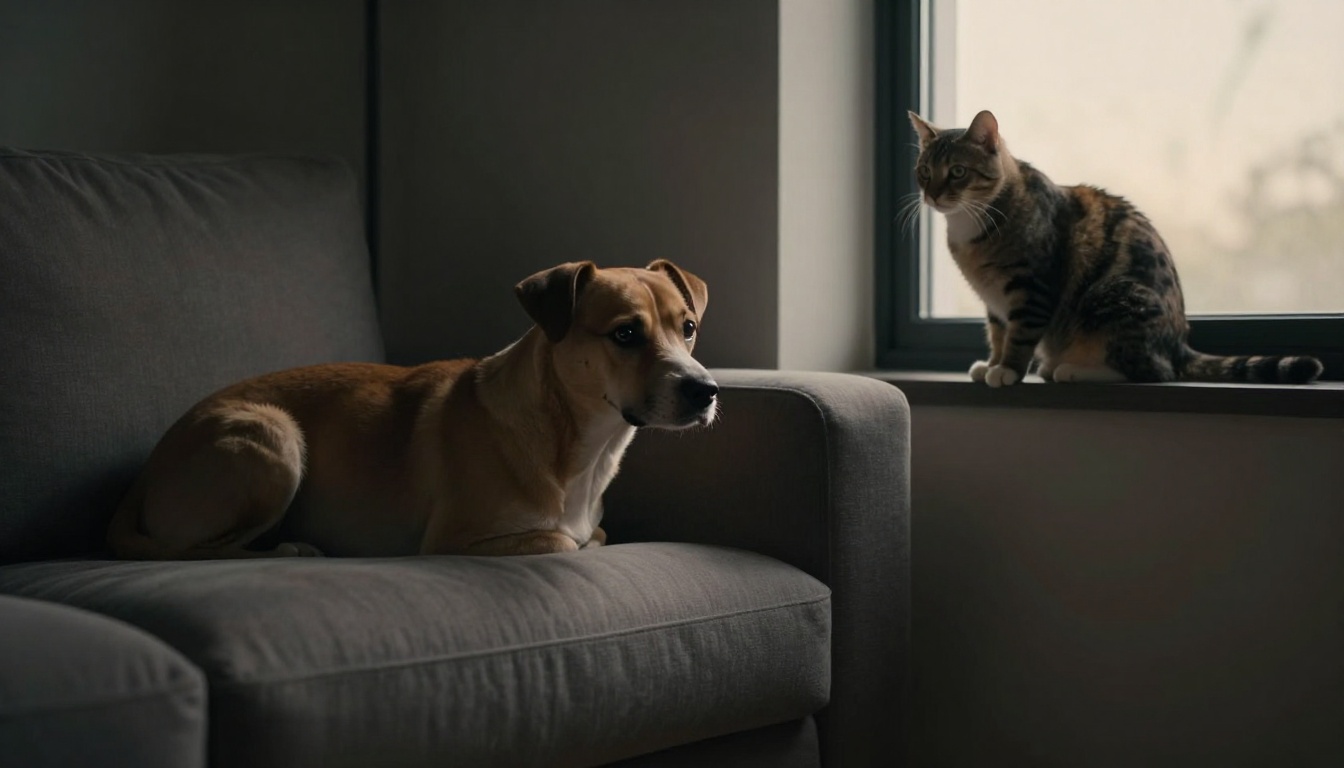
Your dog cowers behind the couch when guests knock. Or your cat hisses and swats at shadows. These moments scare you because they feel sudden and mean. But most often, aggression or fear in pets comes from anxiety, not a bad heart. In 2026, fear-driven reactivity leads dog behavior problems in the US, based on thousands of owner reports. Cats see 27% of shelter surrenders from similar issues.
You worry about bites or scratches. You want your pet safe and happy again. This guide covers spotting signs early, safety steps now, gentle training, pro help, and prevention. With patience, most pets improve fast.
Spot the Early Warning Signs Before Things Escalate
Pets warn you before they snap. Growling, stiff legs, or tucked tails signal trouble. Spot these early, and you avoid bites. Fearful pets act defensive because they feel trapped. Dogs that growl first pose lower risk than silent biters.
Watch body language daily. A stiff posture means stress builds. Raised hackles show arousal. Lunging follows ignored warnings. Cats freeze or swish tails hard. Early notice lets you step back. Vets stress this prevents escalations.
For example, your dog stiffens at the mail carrier. You pull the leash tight. That fuels fear. Instead, turn away calm. These cues save time and pain.
Body Language Clues You Can’t Ignore
Ears back and flat mean fear in dogs and cats. Tails tuck low or vibrate fast. Look for whale eye, where whites show around the pupil. Lip licking follows. Cats pupils dilate wide.
Aggression shows forward ears and hard stare. Dogs lean in with wrinkled lips. Cats arch backs high. Picture a cornered cat: fur puffs, low growl. Dogs piloerect, hackles up.
Learn these from a solid body language guide for cats and dogs. It breaks down postures clear. Practice spotting them on walks. Your pet thanks you with trust.
Changes That Signal a Bigger Problem
Sudden shifts demand attention. Your laid-back cat now lunges at feet. Or your puppy growls over toys. These point to pain or stress spikes.
React to minor touches with snaps? Check for illness. Old injuries flare up. New fears from moves or vets add up. Note patterns in a journal. Date, time, trigger.
Quick action stops worsening. Fear turns aggressive fast without help.
Safety First: Simple Steps to Protect Your Home Right Now
Act now to keep bites zero. Isolate your pet from triggers. No guests near a fearful dog yet. Use baby gates or crates. Never punish; it amps fear.
Muzzle train for safe outings. Start with short wears and treats. Warn vets ahead for quiet slots. These steps guard family and pet.
Everyone stays calm. Your cat hides? Let it. Force out, and claws fly. Safety builds room for change.
Manage Triggers Without Adding Stress
Guests ring the bell? Scoot your dog to a quiet room with a chew. Play soft music. Cats bolt to high shelves; block access first.
New pets join? Slow intros behind doors. Swap scents on blankets. Feed treats through cracks. No face-to-face till calm.
Create safe zones. Beds in corners with covers. These cut stress without fights. Your home feels secure again.
Build Your Pet’s Confidence with Gentle Training Tricks
Positive tricks work wonders. Countercondition fears: pair scary stuff with treats. Desensitize slow. Start far from triggers. Reward calm sits.
Use high-value food like chicken. Clickers mark good moments. Teach mat stays for strangers. Cats love wand toys for focus.
Skip force; it backfires. Basics help mild cases. Severe ones need pros. Both dogs and cats respond well.
Owners see big wins. Reactivity drops with practice. Patience pays off.
Reward Calm to Replace Fearful Reactions
Pick a trigger, say strangers. Stand far off. Toss treats as they pass. No talk, just food.
Close distance over days. Dog sits calm? Jackpot reward. Cat watches from bed? Click and tuna.
For vet fear, bring treats to exams. Pair car rides with play. See a full fearful dog training guide for steps. It fits cats too.
Repeat daily short sessions. Calm replaces panic.
Daily Habits That Strengthen Trust
Stick to routines. Feed, walk, play same times. Teach sit, down with praise.
Gentle play builds nerve. Fetch for dogs, laser chase for cats. End before tired.
Hand feeds build bonds. You become safe. Confidence grows steady.
When to Get Vet or Expert Help and Explore Meds
Call pros if bites happen or fear worsens. Sudden attacks without warns? Vet first. Rule out pain like thyroid or arthritis.
Certified behaviorists craft plans. Trainers use force-free methods. Vets prescribe for severe anxiety.
Meds help stubborn cases. Daily SSRIs calm baseline fear. Trazodone eases vet trips. Gabapentin quiets storms. Always vet-led; no over-the-counter.
Early meds plus training boost success. Young pets fix easiest.
| Med Type | Use For | Examples |
|---|---|---|
| Daily Anxiety | Chronic fear | Fluoxetine, Clomipramine |
| Event-Based | Vets, storms | Trazodone, Gabapentin |
| Combo | Tough cases | Both with behavior plans |
This table shows options. Vets tailor doses. Check treatment options for pet anxiety for details.
Red Flags That Mean Call the Vet Today
Unexplained snaps hurt people. Escalating lunges. Injury from fights.
Sudden changes in old pets. Growls at touch. These scream medical checks.
Don’t wait; rabies or pain lurks.
What Pros Bring to the Table
Behaviorists observe real time. Custom desensitization plans. Safe meds monitor.
They spot hidden triggers. Plans track progress. No DIY risks like bites.
Your pet thrives under experts.
Prevent Fear and Aggression from Coming Back
Start young: socialize pups and kittens to noises, people, pets. Controlled exposures build bold hearts.
Adults need ongoing work. Weekly training. Safe playdates. Consistent rules, no yelling.
Daily confidence builders: puzzle toys, agility walks. Pain checks at vets catch issues early.
Steady homes prevent slips. Your pet stays chill.
Most cases fix with these. Reactivity drops fast for committed owners.
Spot signs quick. Secure your space. Train with treats. Call pros early. Prevent with habits.
Your pet’s fear fades. Patience wins. Chat your vet today. Share your story below. Many see full turnarounds.