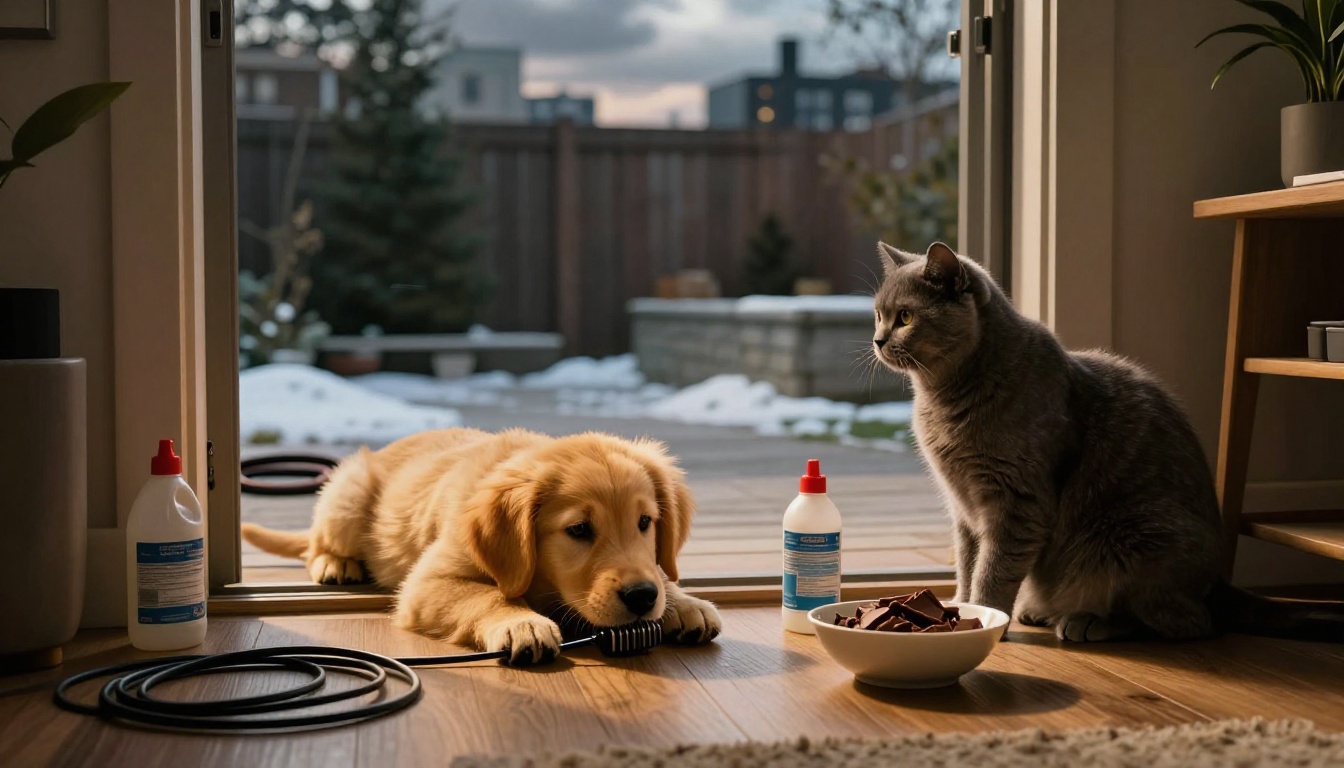
Picture this: your curious puppy chews a loose cord and dodges disaster because you spotted it first. Pet ownership surges in the US, with over 100 million pets facing higher risks from household toxins. In 2025 alone, the ASPCA handled more than 376,000 poison cases, many from items like antifreeze or chocolate that trigger vet rushes.
New 2026 laws add urgency. States push microchips for shelter dogs and cats, Ohio’s House Bill 247 tightens rules on dangerous dogs after attacks, and the PETSAFE Act boosts disaster aid for pet evacuations to 90% federal funding. Dogs and cats need protection indoors from sneaky poisons and outdoors from winter salts or traffic.
This post covers home hazards, yard and walk risks, plus habits for year-round safety. You’ll get simple steps to act on today for peace of mind.
Shield Your Pet from Sneaky Indoor Dangers
Household spots hide big threats for dogs and cats. Puppies chew everything. Kittens climb high shelves. Seniors move slow and miss dangers. Short-nosed breeds like pugs struggle with heat or blocks.
Common poisons top the list. Antifreeze tastes sweet, so pets lap it up from puddles or garages. It shuts down kidneys fast. De-icing salts burn paws and tempt licks. Human meds, chocolate, grapes, and onions cause vomiting, seizures, or worse. In 2025, over-the-counter pills led 16.9% of ASPCA cases.
Store toxins in locked cabinets out of reach. Wipe spills right away. Keep guest meds hidden. For a full list of risky household items, check the ASPCA’s guide to poisonous products. Always call the ASPCA hotline at 888-426-4435 if you suspect trouble.
Cords spark shocks or burns when pets gnaw them. Space heaters tip over. Fireplaces singe fur. Unplug items when you leave rooms. Use cord covers or tape. Gate off heat sources. Never leave pets alone near them.
Holiday setups multiply risks. Tinsel wraps intestines. Glass ornaments slice paws. Tree water breeds bacteria. Candles start fires. Skip tinsel altogether. Choose plastic ornaments low down. Cover tree stands with foil. Switch to battery-powered lights.
Supervise extra during fireworks or parties. Crate them in quiet spots with toys. These steps cut emergencies for vulnerable pets.
Tackle Toxins Before They Tempt Your Pet
Antifreeze lures dogs with its candy-like flavor. Even a small lick damages organs. Salts from roads irritate skin and cause thirst-driven poisoning.
Guests drop pills or leave chocolate out. Grapes harm kidneys in dogs. Onions wreck red blood cells in cats. Clean fast after meals. Stash human food high.
Secure cabinets with child locks. Wipe paws post-walks to remove salts. Put away meds before company arrives. Quick action saves lives and vet bills.
Block Electrical and Heat Risks in Cozy Spaces
Dogs mouth cords for teething relief. A bite hits nerves or starts fires. Cats pounce on moving plugs.
Heaters scorch tails. Fireplaces draw sleepy pets too close. Burns heal slow.
Tape cords along walls. Buy spiral covers for protection. Unplug heaters at night. Use pet gates around flames. Check fur for heat damage daily. Pets stay cozy without harm.
Holiday Decor Traps and How to Dodge Them
Tinsel mimics string toys. Swallowed strands block guts, needing surgery. Ornaments shatter under paws.
Tree needles prick mouths. Water below holds fertilizers. Flames from candles ignite curtains.
Opt for fabric garlands. Hang breakproof balls above nose height. Skirt the stand tight. Use flameless candles. Pack decor away fast post-season. Festive homes turn safe playgrounds.
Master Outdoor Safety for Worry-Free Playtime
Yards and streets pack winter woes. Short-haired dogs shiver into hypothermia. Cats hunt warm car engines. Salts and antifreeze linger from storms.
Walks bring traffic hits or icy slips. Parks spark fights or germs from unvaccinated strays. 2026 trends tighten rules. Florida bans pet abandonment in disasters. California eyes breeder limits.
Leash up always. Use harnesses for car rides, not collars. Booties shield paws. Limit cold time outside. For winter walk tips on ice melt and antifreeze, see this DogDog safety guide.
Scan yards daily. Fences keep intruders out. Bad weather means indoor play. These habits prevent most scares.
Backyard Hazards and Quick Fixes
Road salts crystallize on paws, leading to licks and ulcers. Antifreeze drips from leaks. Cats curl under hoods for engine heat, risking fan blades.
Tree needles litter ground, cutting pads. Leftover decor tempts chewers.
Rinse paws with warm water after yard time. Apply booties or balm. Bang on hoods before starts. Clear debris fully. Provide insulated shelters if pets go out. Simple rinses stop poison chains.
Safe Walks That Avoid Traffic and Toxins
Cars zoom past leashed pets. Ice slicks send legs flying. Toxins coat sidewalks.
Shorten trips in freezes. Pick clear paths. Carry poop bags and wipes.
Harness secures car travel; laps distract drivers. Comply with local vaccine tags. 2026 shelter adoptions demand microchips. Wipe paws at home. Walks build bonds safely.
Park Visits Without Dog Fights or Germs
Aggressive dogs trigger bites. Ohio’s 2026 law ups penalties for owners. Unvaxxed pets spread parvo or rabies.
Some local parks check proofs, though not statewide yet.
Leash unless in fenced dog areas. Supervise play. Skip crowded spots. Update shots yearly. Fun turns fight-free.
Build Lasting Habits and Emergency Readiness
Daily checks spot risks early. Update ID tags with phones. Scan microchips at vets; more states require them for adoptions now.
Schedule checkups for vaccines. Supervise young or old pets closely. Build disaster kits per PETSAFE Act guidelines: leashes, food, meds, carriers.
New 2026 gear shines. Paw booties fit short-haired breeds. Coats block wind. For snow safety basics like paw protection, review PetPace winter tips.
Know first aid: flush eyes, induce vomit only on vet advice. Hotline: 888-426-4435. Home audits prevent 75% of issues.
Run weekly sweeps. List hazards: cords, toxins, fences. Fix one per day. Habits make safety automatic.
Create your checklist. Note yard gates, cabinet locks, tag dates. Share with family. Pets thrive on routine care.
Secure Your Pet’s World Today
Indoor locks block toxins. Outdoor booties beat salts. Habits like microchips meet 2026 laws for lost-pet finds.
Simple scans and wipes cut vet trips from poisons or burns. Your quick actions match rising ownership demands.
Update IDs now. Pin this for reference. Share your top tip in comments. Happy pets need vigilant owners; start small for big rewards.