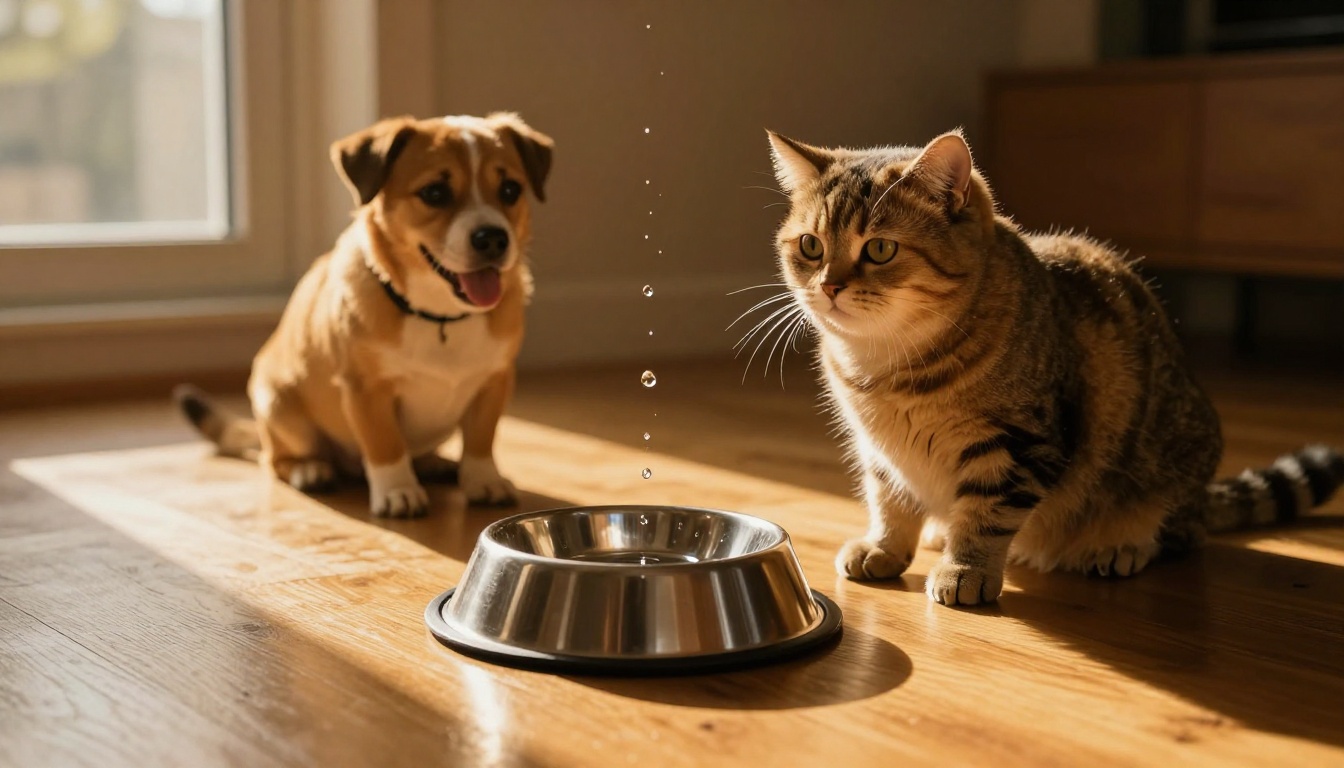
Picture this. Your dog flops down after a short walk, looking extra tired on a warm afternoon. You check, and it’s dehydration hitting hard. Pets lose fluids fast, especially dogs, cats, birds, and small animals like rabbits or hamsters.
Dehydration leads to kidney issues, urinary tract infections, and constant lethargy. Vets warn it sneaks up during heat or illness. Proper water intake stops these problems before they start.
This post covers spotting signs quickly, daily tricks to encourage drinking, tips for tough situations like trips or sickness, and 2026 smart tools. You’ll get simple steps for all pets. Follow them, and hydration becomes no hassle at all.
Spot Dehydration Signs Fast to Protect Your Pet
Pets hide thirst well. Early detection saves lives. Watch gums, skin, eyes, and behavior daily.
Dry, sticky gums signal trouble first. Pale gums mean poor circulation. Test skin elasticity next. Gently pinch the neck skin. It should snap back fast. If it tents, dehydration sets in.
Sunken eyes, lethargy, and dark urine follow. Less peeing, dry poop, heavy panting, vomiting, or skipping meals raise alarms. Check more in heat, after illness, or on trips.
Dogs pant hard and weaken. Cats hide with less litter use. Birds fluff feathers and slow down. Small pets hunch and skip grooming. Fast action prevents organ damage.
For detailed vet checks on symptoms across pets, see early signs of dehydration in dogs and cats.
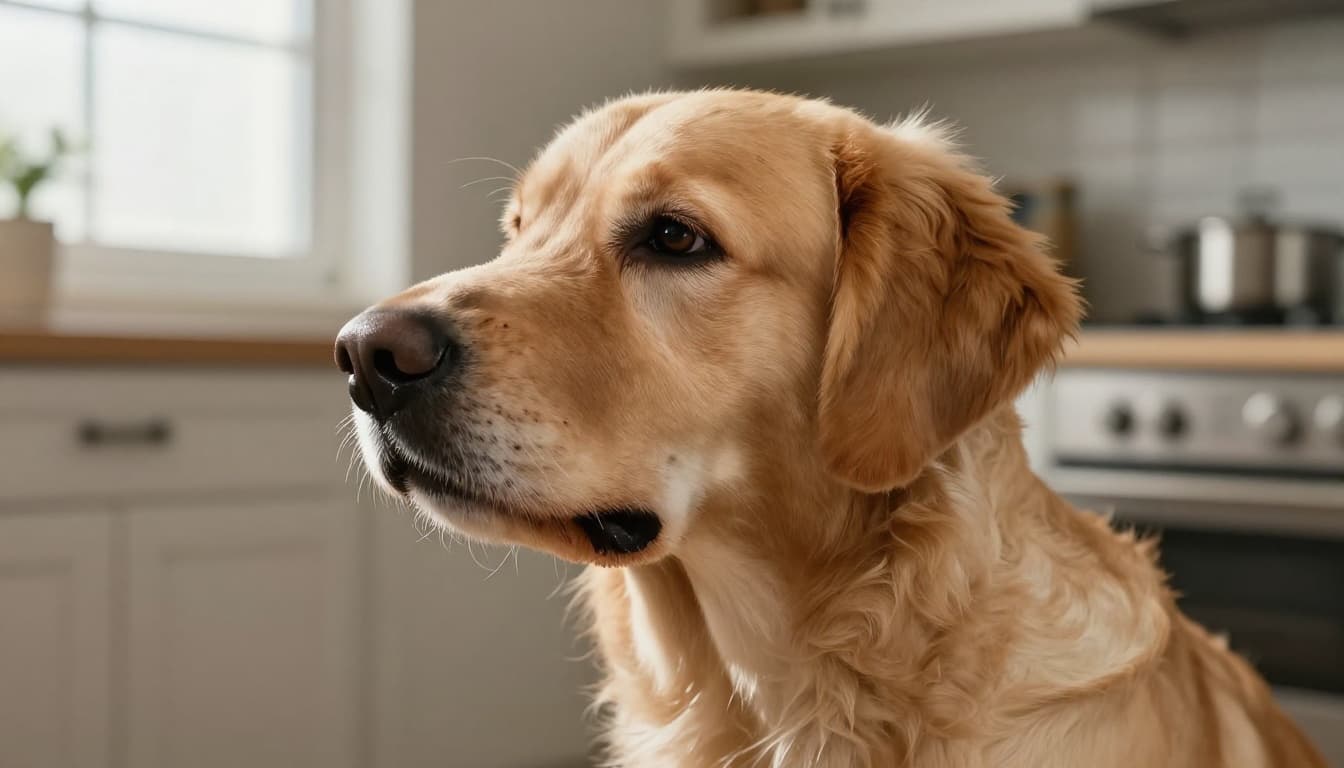
Quick Tests You Can Do at Home Right Now
Start with the skin pinch. Lift loose skin on the back of the neck. Release it. Normal skin bounces back in a second. Tenting lasts longer? Act now.
Check gums next. Press a finger on them. Color returns fast in healthy pets. Sticky feel or slow pink-up means low fluids.
Look at eyes for sunken look. Note urine color and poop dryness. Birds and small pets need shallow water, so observe intake closely.
Multiple signs together? Skip home tests. Head to the vet. These checks work for dogs, cats, and more, but they’re not foolproof.
Signs That Differ by Pet Type
Dogs show heavy panting and sudden weakness. They collapse if ignored.
Cats act distant. They hide more and use the litter less because output drops.
Birds ruffle feathers and sit low. They dehydrate quickest due to small size.
Small pets like hamsters hunch up. Rabbits stop grooming and eat less.
Vets note these vary by species. Always confirm with a pro if unsure.
Daily Habits That Make Drinking Water Irresistible
Fresh water works wonders. Place bowls in every room or yard spot. Swap water two or three times a day. Stale water turns pets off.
Add pet fountains for flow. Cats crave running water. Dogs lap it up too. One bowl per pet cuts competition.
Wet food packs 75 to 80 percent moisture. Switch some meals to canned. Mix low-sodium broth into kibble. It draws them in.
Toss ice cubes for play. Freeze broth into treats. Pets lick them slow.
Tailor by type. Dogs need portable bottles for walks. Cats prefer fountains away from food. Birds take shallow dishes with mist sprays. Small pets munch moist veggies.
Prevention beats fixing later. These habits boost intake without force.
Fountains and Bowls That Pets Actually Use
Fountains keep water circulating and clean. Cats drink more from the motion. Place several around the house.
In 2026, AI models track intake and auto-filter. They adjust flow for picky drinkers.
Pros include fresh taste and less bacteria. Bowls work if changed often.
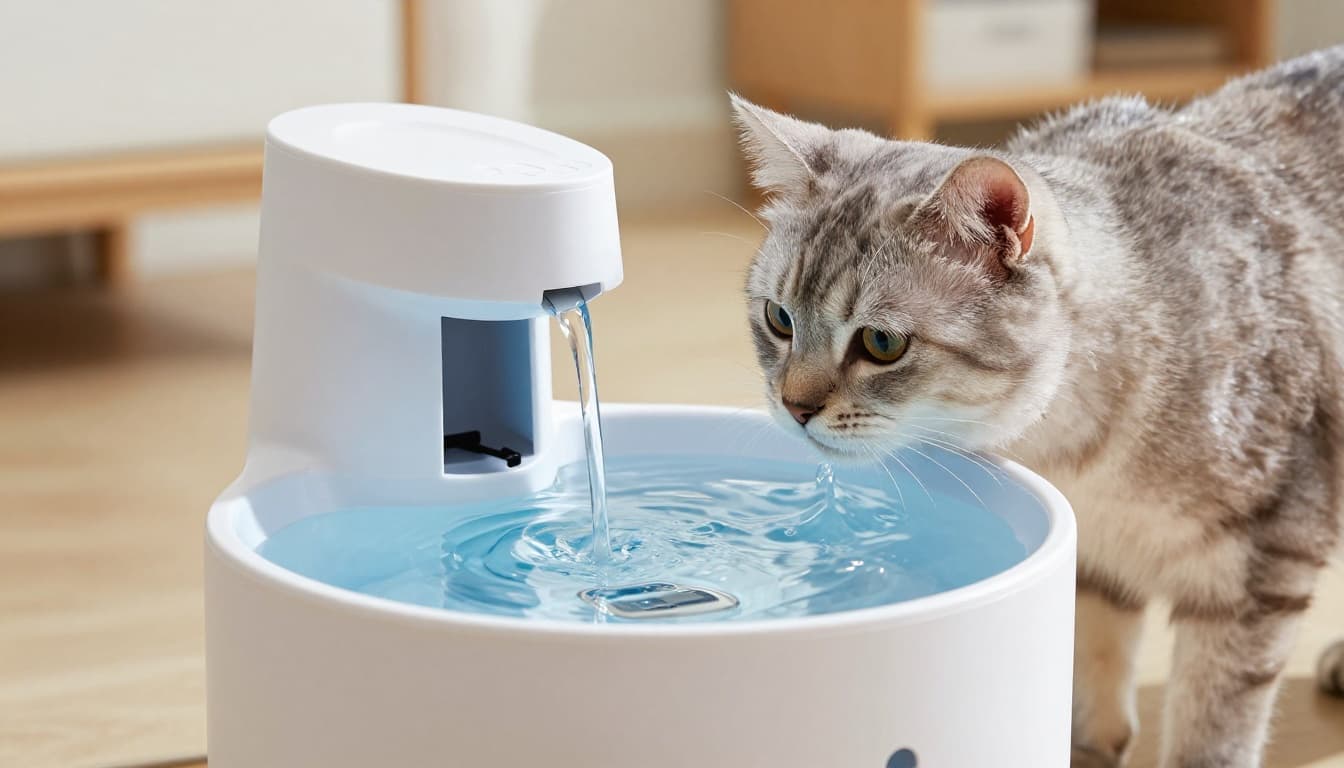
For top picks, check best pet water fountains tested in 2026.
Tasty Add-Ins and Food Swaps for Extra Hydration
Wet food swaps add water easy. Cats love the flavor boost.
Stir broth into dry kibble. Use vet-safe, low-salt kinds.
Freeze tuna water into slush for cats. Dogs go for broth pops.
Unflavored Pedialyte helps short-term, but ask your vet first. It restores electrolytes.
These tricks make hydration fun. Pets get moisture without noticing.
Stay Ahead in Heat Waves, Trips, or When They’re Sick
Heat drains fluids quick. Walk early mornings. Set up shade with ice bowls. Skip hot pavement.
Travel calls for portable gear. Bottles clip to collars. Stop often for drinks.
Sick pets need wet food and vet-approved broth. Watch output closely. Seniors, pugs, and active types risk more.
Blend with daily habits. Limit play in peaks. All pets benefit from constant access.
Beat the Summer Heat Without Worry
Cool treats like frozen broth help. Keep water cold always.
Watch heat exhaustion: fast breathing, drooling.
Portable options shine on walks.
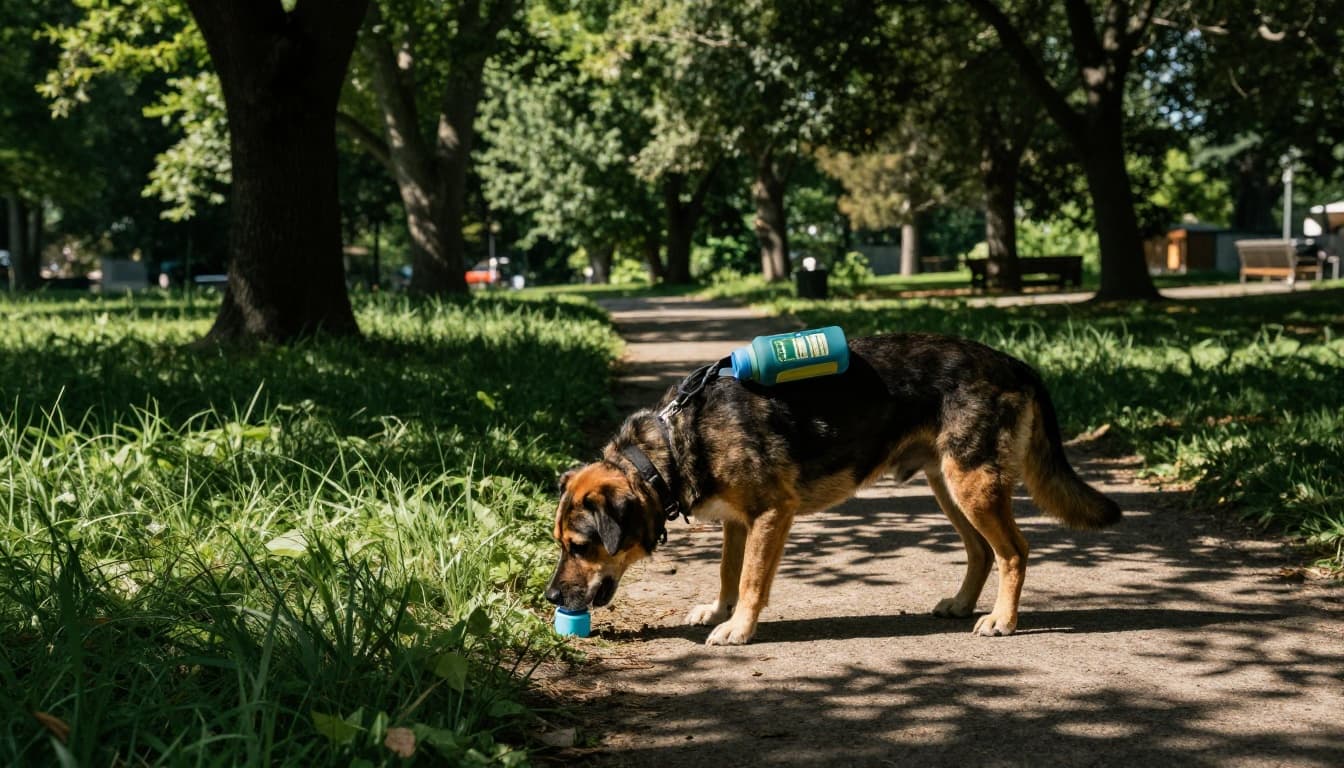
See summer heat safety tips for pets.
Travel and Illness Hacks That Work
Pack collapsible bowls. Check routines at stops.
For illness, offer Pedialyte mixes. Monitor peeing.
Routine keeps stress low. Recovery speeds up.
2026 Gadgets and Trends Revolutionizing Pet Hydration
Smart fountains lead now. They monitor intake via apps and send low-water alerts. Auto-refill sensors cut chores.
April 2026 trends push awareness campaigns. Vets stress one ounce per pound daily. Brands promote toppers and trackers.
AI units glow to attract pets. They filter and adjust flow.
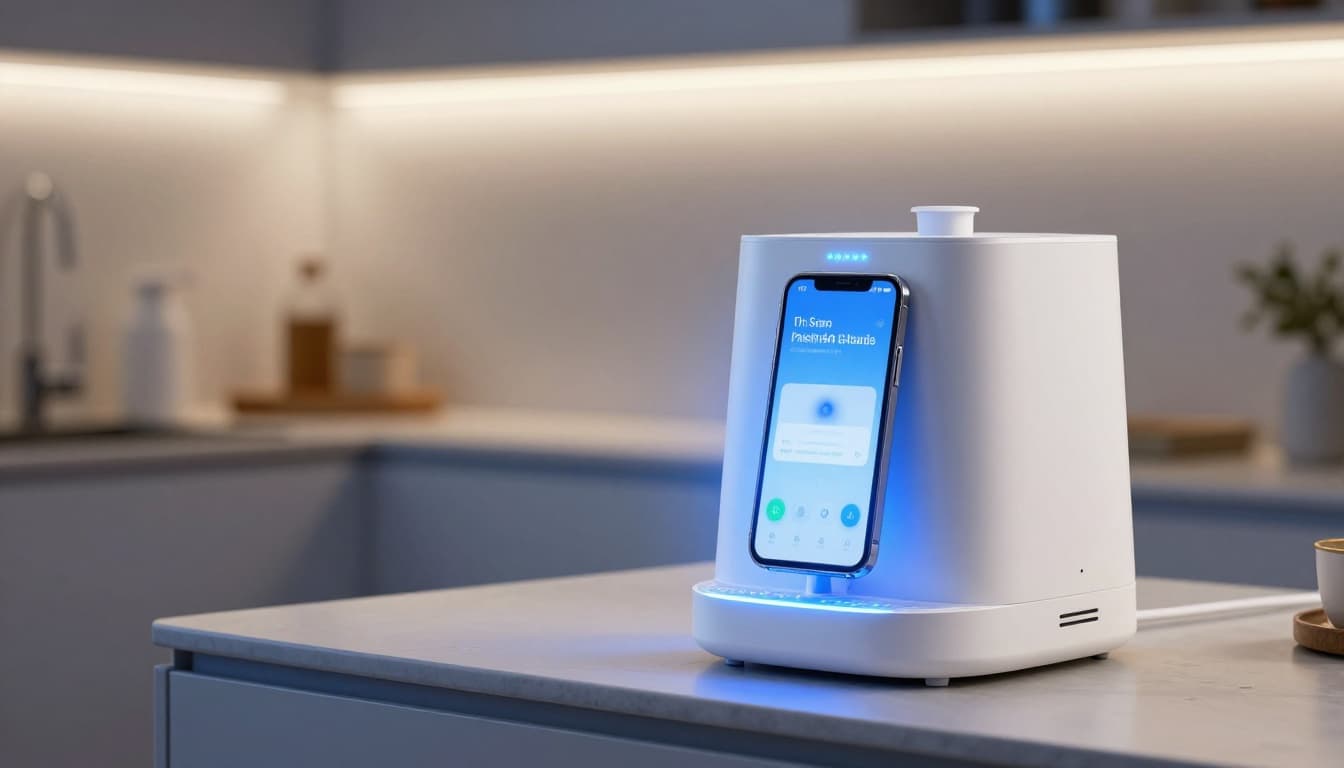
PETKIT’s CES models use AI for health data. Talk to your vet about fits for your pet.
These tools make monitoring simple. Prevention drops vet visits.
Spot signs early, keep water fresh with fountains and wet food, handle heat or trips smart, and grab 2026 tech. Your pet stays perky.
Check bowls now. Share these tips. Ask your vet for tailored advice.
What hydration hack works best for your crew? Drop a comment below. Healthy pets mean endless playtime.