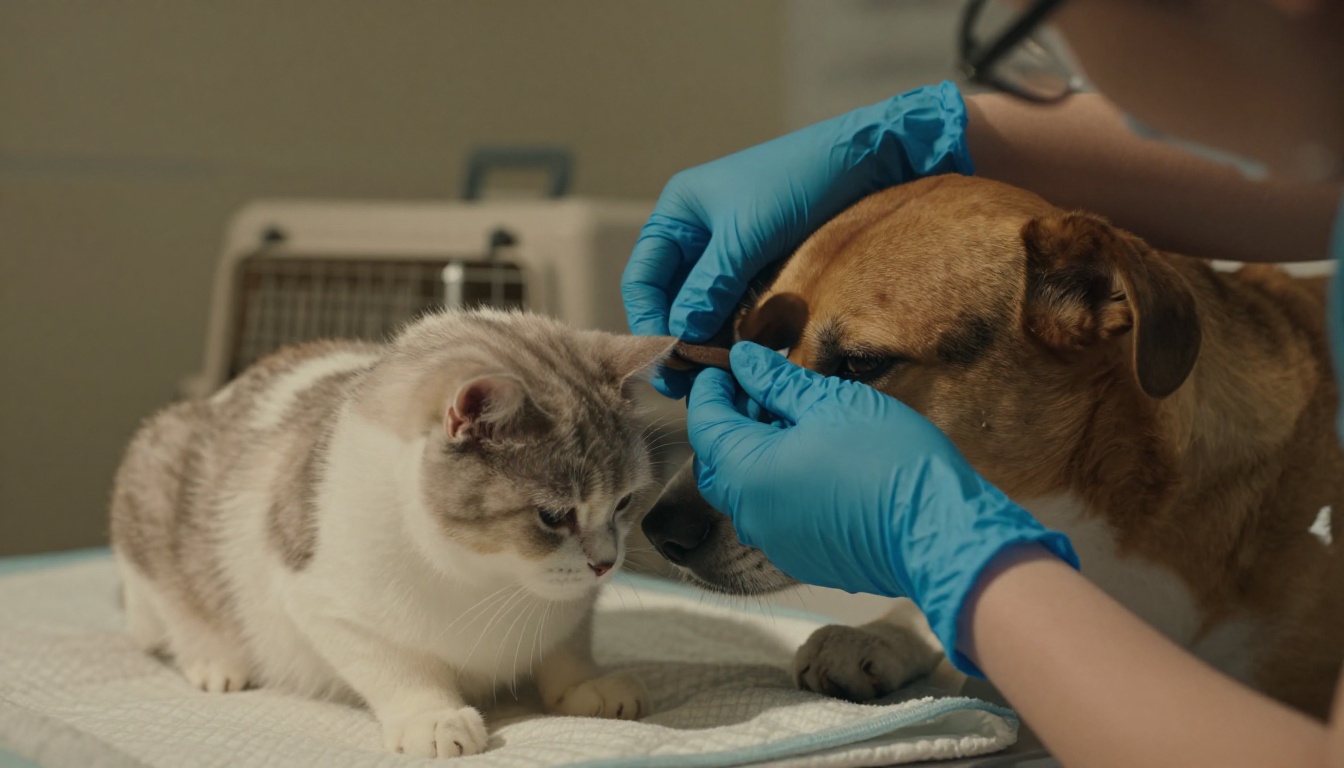
Your dog collapses in a sudden seizure, or your cat skips the litter box amid cries of pain. These scenes scare any pet owner. In 2026, vet reports show early detection spots illness in 25% of seemingly healthy senior pets during routine exams. It boosts survival rates, like 90% for parvovirus with quick care, and slashes long-term costs for chronic issues that top insurance claims.
Dogs face skin allergies in 20% of claims, while 59% battle obesity. Cats deal with digestive woes as the number one claim and kidney disease in one in three seniors. Small pets hide problems fast because they decline quickly.
Knowing these signs lets you act fast. You keep vet bills low and give your pet a happier life. Let’s break down the top issues by pet type, with clear warnings from recent US vet data.
Top Health Issues in Dogs and the Signs You Can’t Ignore
Dogs top pet insurance claims with skin allergies, ear infections, and stomach upset. Obesity hits 59% of them, per 2026 stats. These problems stem from food, pollen, fleas, or extra pounds. Daily checks on skin, ears, poop, and energy catch them early. Prevention starts with flea meds and balanced meals.
Owners often miss subtle shifts at first. Your pup might scratch more after park walks. Or it limps after play. Spot these, and you avoid big bills. For a full rundown on frequent dog conditions, check the AKC’s guide to health problems and symptoms.
Skin Allergies and Itchy Hot Spots
Skin allergies lead claims for years, at 20% of dog insurance payouts. Food or pollen triggers red, inflamed patches. Dogs lick and scratch nonstop, creating raw bald spots.
Watch for these signs:
- Constant scratching or chewing paws.
- Hair loss in patches.
- Red, bumpy skin or hot spots.
- Scooting on rugs from irritation.
Breeds like Labs or Bulldogs suffer most because of short coats. A vet tests for allergens. Meanwhile, oatmeal baths soothe. Switch to hypoallergenic food if needed. Check skin weekly during allergy season.
Ear Infections and Balance Troubles
Ear infections rank second or third in claims. Moisture or allergies cause yeast or bacteria buildup. Dogs shake heads or tilt them from pain.
Key signs include:
- Foul odor from ears.
- Brown or yellow discharge.
- Redness and swelling inside.
- Head shaking or rubbing on furniture.
- Balance loss or circling.
Long-eared breeds like Spaniels face higher risk. Clean ears gently after swims. Vet-prescribed drops clear most cases fast. Ignore it, and infections spread to balance centers.
Parasites, Vomiting, and Seizures
Parasites like worms or fleas cause 10% of visits. Digestive issues from bad food lead to bloody diarrhea. Seizures strike suddenly in one in 300 dogs from epilepsy or toxins.
Spot parasites by scooting, flea dirt, or bloated bellies. Vomiting shows as repeated heaving with belly pain. Seizures mean collapsing, paddling legs, or drooling fits.
Fleas spread tapeworms, so use monthly preventives. Quick vet care stops dehydration from diarrhea. For seizures, note duration and rush to ER if over five minutes. Daily poop checks reveal worms early.
Cat Health Red Flags: From Vomiting to Urinary Woes
Cats hide pain well, so issues sneak up. Digestive problems top claims for the third year. Kidney disease hits one in three seniors, and obesity affects 61%. Upper respiratory bugs and dental woes follow close.
They vomit hairballs often, but frequent episodes signal trouble. Bad breath or litter avoidance screams for help. Vaccines and dental checks prevent most. Imagine your cat straining in the box; that’s an emergency.
Cats mask symptoms until advanced stages. You notice weight loss first. Act on small changes to extend life.
Kidney Disease and Endless Thirst
Chronic kidney disease ranks third in cat claims. Toxins build as kidneys fail over time. Seniors over 10 face highest odds.
Signs build slowly:
- Increased thirst and water guzzling.
- More frequent peeing or accidents.
- Vomiting and poor appetite.
- Sudden weight loss despite eating.
Yearly bloodwork catches it early, per vet guidelines. Special kidney diets slow progress. Hydration gels help too. For details on signs and care, see this overview of chronic kidney disease in cats.
Dental Pain and Stinky Breath
Dental disease strikes 70% of cats by age three. Plaque hardens into tartar, causing gum infections. It links to heart and kidney risks.
Look for:
- Bad breath or drooling.
- Pawing at mouth or dropping food.
- Red, bleeding gums.
- Loose teeth or facial swelling.
Brush teeth weekly with pet paste. Dental chews reduce buildup. Vets clean under anesthesia yearly. Pain makes cats irritable, so watch moods.
Urinary Blockages and Litter Box Drama
Urinary issues rank second in claims, especially males. Crystals or stress block flow, a true emergency.
Warning signs:
- Straining or crying in litter box.
- Blood in urine or licking genitals often.
- No urine output despite efforts.
- Vomiting from nausea.
Rush males to vet; blockages kill in 48 hours. Wet food dilutes urine. Stress reducers like pheromones help. Learn more about urinary tract issues and prevention.
Small Pets’ Hidden Health Struggles in Rabbits, Birds, and Beyond
Small pets decline fast, so signs demand instant action. Rabbits fight GI stasis from poor diet. Guinea pigs pack on obesity pounds. Birds pick feathers from stress, and fish gasp from bad water.
Housing matters: spacious cages, fresh hay, clean tanks. Diet fixes half the problems. Vets see skin issues in 20% of small pet cases.
Owners overlook subtle shifts in tiny bodies. A rabbit stops eating; that’s day-one crisis.
Rabbits: Gut Shutdowns and Tooth Troubles
GI stasis tops rabbit visits: no poop, bloating from low fiber. Teeth overgrow without hay grinding.
Signs of stasis:
- No droppings for 12 hours.
- Lethargy and hunched posture.
- Grinding teeth from pain.
Dental issues cause drooling, head tilts. Feed unlimited timothy hay. Vet trims teeth if needed. Pellet limits prevent obesity.
Birds and Fish: Breathing Issues and Weird Swimming
Birds sneeze or bob tails from respiratory bugs. Feather picking signals boredom or mites.
Fish show fin rot as frayed edges or white ich spots. They gasp at surface.
For birds, clean cages daily. Quarantine newbies. Fish need stable water: test pH weekly. Symptoms mean full tank cleanouts.
Smart Prevention Using 2026 Pet Tech and Daily Habits
Tech makes watching easier in 2026. Smart collars track vitals like heart rate. Apps log appetite and activity.
Personalized diets target joints or guts. Probiotics aid digestion. Telemedicine handles quick checks.
Follow these habits:
| Habit | Why It Helps | How Often |
|---|---|---|
| Weigh weekly | Spots obesity early (59% dogs, 61% cats) | Use home scale |
| Check mouth/ears | Catches dental (70% by age 3), infections | Daily glance |
| Vaccines up-to-date | Prevents respiratory, parvovirus | Yearly |
| Portion control | Fights top obesity claims | Measure food |
| Clean habitats | Stops parasites, fish ich | Daily/weekly |
Any behavior change means call the vet. Behavior shifts signal 80% of issues. Schedule that checkup now.
Spotting these common problems early changes everything. Skin scratches in dogs, thirst in cats, or no rabbit poop all demand quick vet trips. They save lives and cut costs on chronic claims like allergies or kidneys.
Check your pet today. Share a close-call story in comments. Subscribe for more tips. With 2026 tools, healthy pets stay by your side longer.