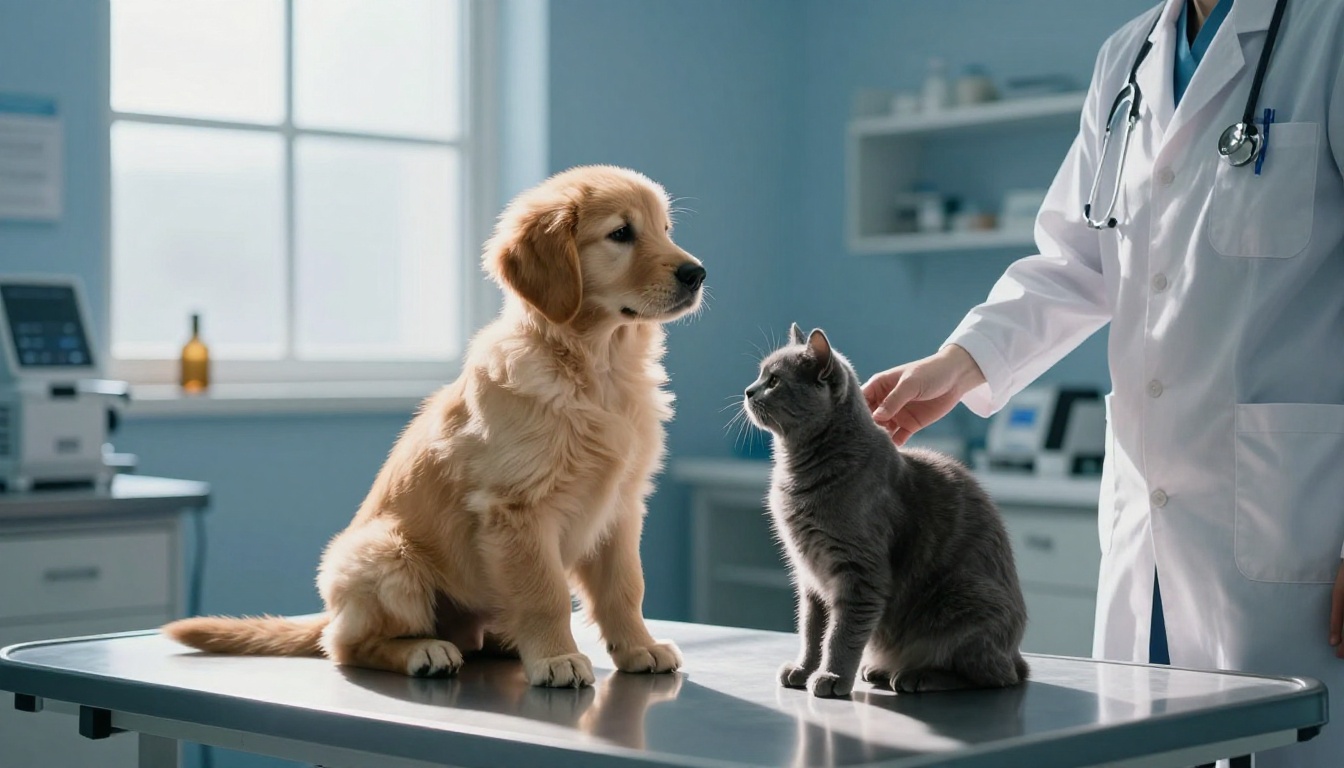
Your dog bounces around the house full of energy. You pet your cat, and she purrs without a care. Everything seems fine. But then you hear a story from a friend. Their pet had a hidden issue that a quick vet check caught early. It saved a life.
Pet owners face this puzzle all the time. How often do routine vet visits make sense? The right schedule keeps your furry friend healthy for years. It spots problems before they grow big. Plus, it cuts down on scary emergency bills. Groups like AAHA and AAFP set guidelines based on the latest science. No big 2026 updates yet. They stick close to 2021 feline and 2019 canine plans.
Schedules change with age, breed, and health. Puppies need more trips than adults. Seniors get extra checks. This post breaks it down for dogs and cats. It covers urgent signs that demand fast action. You will see why routine care pays off. We touch on rabbits and birds too. Always chat with your vet for a custom plan. Let’s start with life-stage schedules.
Tailored Vet Schedules for Dogs and Cats at Every Age
Dogs and cats grow through clear stages. Each one calls for set visit rhythms. Puppies pack in frequent stops. Adults settle into yearly habits. Seniors ramp up again. These patterns come from AAHA and AAFP guidelines. They help vets track growth and catch risks early.
Factors tweak the plan. Big breeds age faster, so Great Danes hit senior status at five or six. Small dogs like Chihuahuas wait until ten or older. Indoor cats still need yearly looks. Lifestyle matters too. Outdoor dogs face more parasites.
Your vet builds a timeline at the first visit. They factor in vaccines, tests, and your pet’s history. Stick close to it. As a result, your pet stays one step ahead of trouble.
Puppies and Kittens: Frequent Checkups in the Early Months
Young pets change fast. That’s why they see the vet every three to four weeks from birth to four months. Kittens follow suit up to 16 to 20 weeks. These trips build a strong health base.
First shots hit at six to eight weeks. They guard against deadly viruses like parvovirus in pups or feline leukemia in kittens. Vets check weight, heart, eyes, and ears. They deworm and talk spay or neuter timing. Behavior tips help too. For example, a puppy nipping furniture gets early fixes.
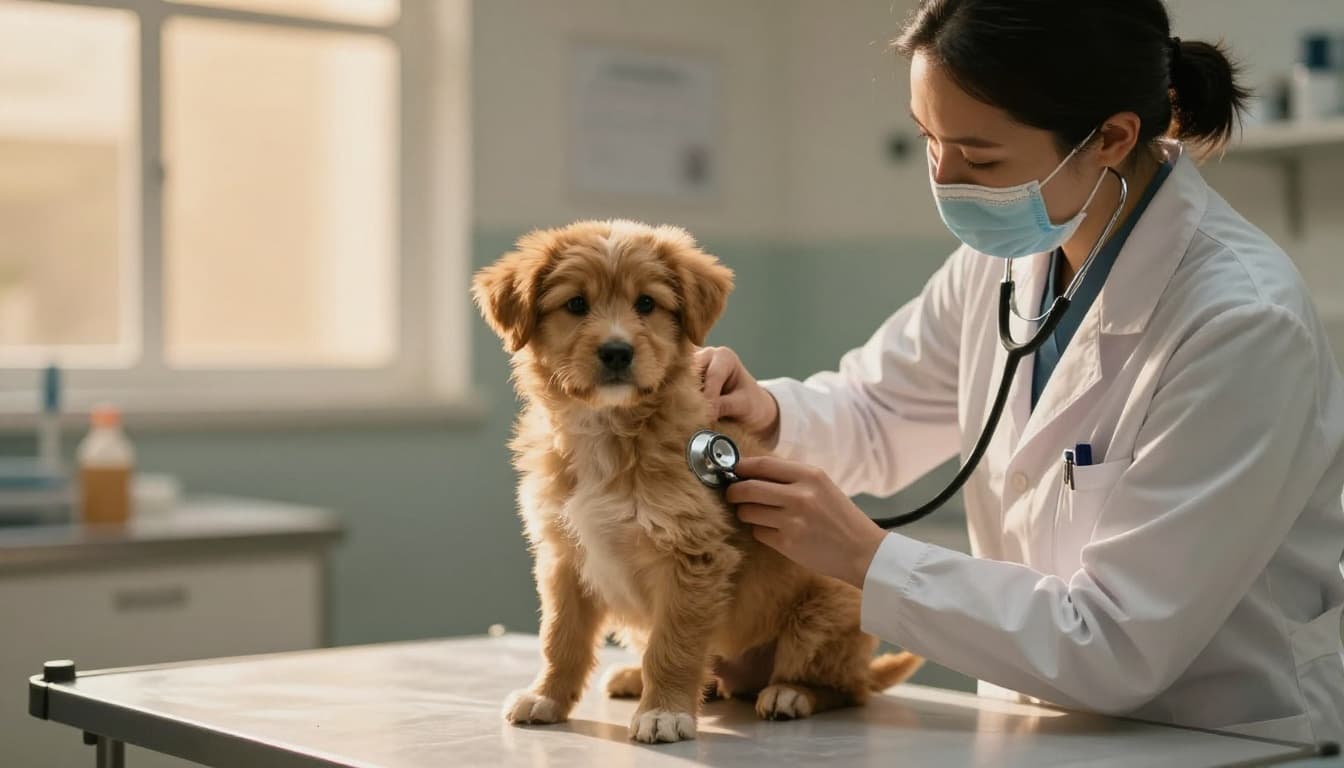
Parasite screens spot worms or fleas. Growth charts flag issues like heart murmurs. One missed visit could let congenital problems slip by. After four months, visits space to every three months until one year. Then yearly kicks in. These early months prevent big fixes later. Healthy starts mean playful years ahead.
Prime Time for Adult Pets: Stick to Yearly Visits
Adult dogs from one to seven years thrive on once-a-year exams. Cats in their prime, one to ten years, match that beat. Even couch potatoes need it.
Annual checks catch quiet shifts. Dental plaque builds without notice. Weight creeps up, straining joints. Vets update boosters like rabies. Dogs get heartworm tests. Cats fight fleas year-round. Bloodwork spots kidney or thyroid hints early.
Indoor life hides issues. A cat grooms less, signaling pain. Your vet asks about litter box use and appetite. They weigh and scan for lumps. For example, early dental cleanings save teeth. Boosters prevent outbreaks. One yearly trip keeps adults in top shape. However, high-risk pups like working dogs might go twice.
See the AAHA canine life stage guide for more on dog timelines. It matches these steps.
Senior Pets Deserve Extra Attention Every Six Months
Time speeds up for seniors. Dogs over seven, cats past ten, need visits every six months. Giant breeds start at five. Small ones hold off until ten.
Age brings arthritis, kidney woes, and cancers. Cats fight hyperthyroidism. Bloodwork turns key. It flags rising creatinine or anemia. Vets check mobility and cognition. Pain meds ease stiff walks.
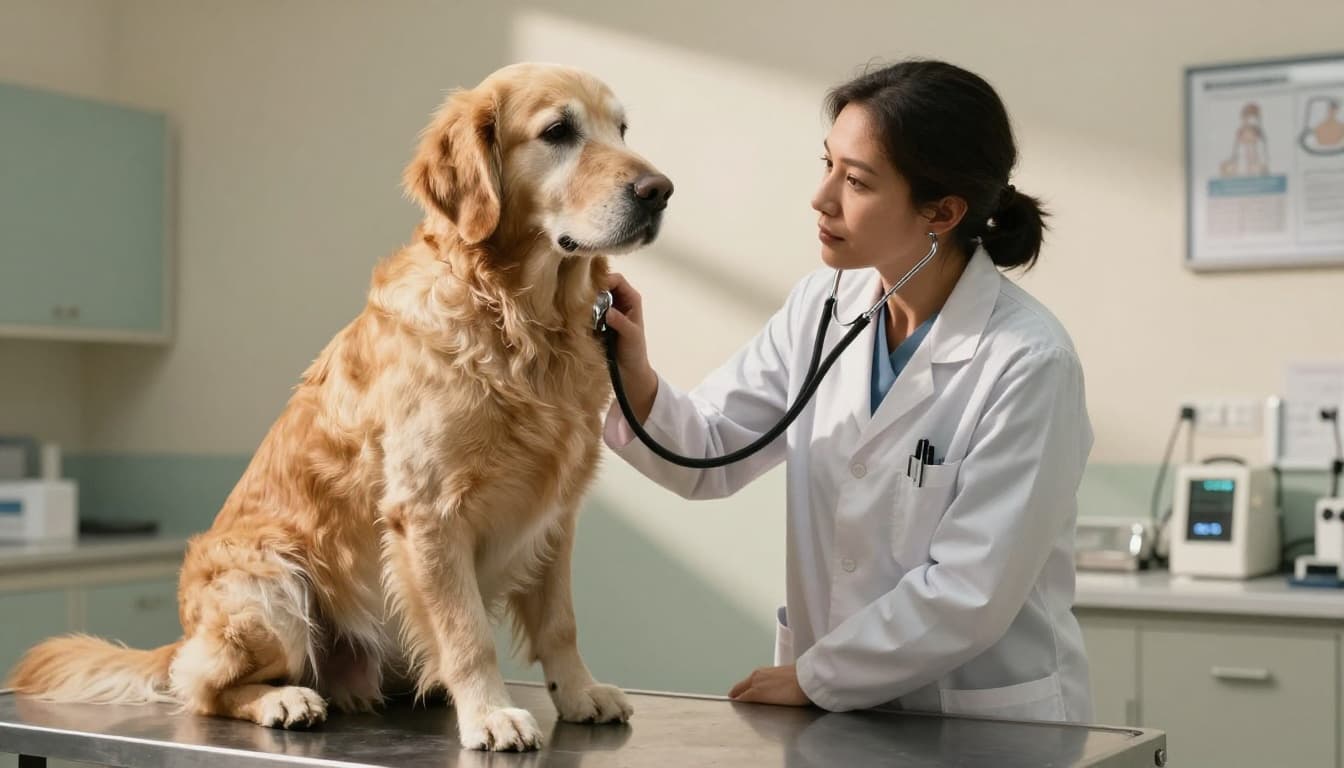
Twice-yearly rhythms match human senior care. Early catches extend playtime. For instance, a tumor found small responds best to treatment. Discuss diet shifts for kidney support. Most importantly, these visits build trust. Your senior pet gets tailored plans.
Spot These Red Flags and Get to the Vet Fast
Routine trips keep health steady. But some signs scream for instant help. Don’t wait. Call your vet or head to emergency.
Breathing trouble tops the list. Labored pants or blue gums signal heart or lung crisis. Nonstop vomiting or diarrhea, especially bloody, leads to dehydration fast. No food or water for 24 hours in cats? Danger zone.
Lethargy hits hard. Your active dog sleeps all day. A cat hides more than usual.

Limping without cause, seizures, or swelling demand action. Excess thirst or urine points to diabetes or kidneys. Bleeding that won’t stop? Go now. The AVMA lists 13 key emergencies. They include eyes hurt or poison swallowed.
These hit sudden. Pups and seniors worsen quick. Trust your gut. A fast trip saves lives and cash. Better safe than sorry.
Why Skipping Routine Vet Trips Can Cost You Big Time
Routine visits seem simple. Skip them, and risks pile up. Early detection spots tumors or infections before crisis. It boosts lifespan. AAHA notes healthy pets live longer with steady care.
Personal plans shine. Vets tweak diets for weight or allergies. They spot behavior flags early. A strong bond means better advice. Vaccines block costly diseases like parvo.

| Visit Type | Dogs Average Cost | Cats Average Cost | Notes |
|---|---|---|---|
| Routine Wellness | $50–$174 | $50–$150 | Exam plus basics like vaccines |
| Emergency | $1,000–$2,000+ | $1,000–$2,000+ | After-hours, tests, treatment |
Data from recent reports shows emergencies cost five to ten times more. Check Pawlicy Advisor for 2026 vet costs. Prep visits with home notes on appetite or stool. Peace of mind follows. Happy pets stay by your side.
Vet Visit Rhythms for Rabbits, Birds, and Other Pets
Dogs and cats dominate homes. But rabbits, birds, ferrets, and reptiles need care too. They hide sickness well. Annual minimum for healthy adults. Young or seniors go every six months.
Rabbits mask pain until late. Check teeth and gut every six months for adults. Pups under one year hit every three to four weeks.
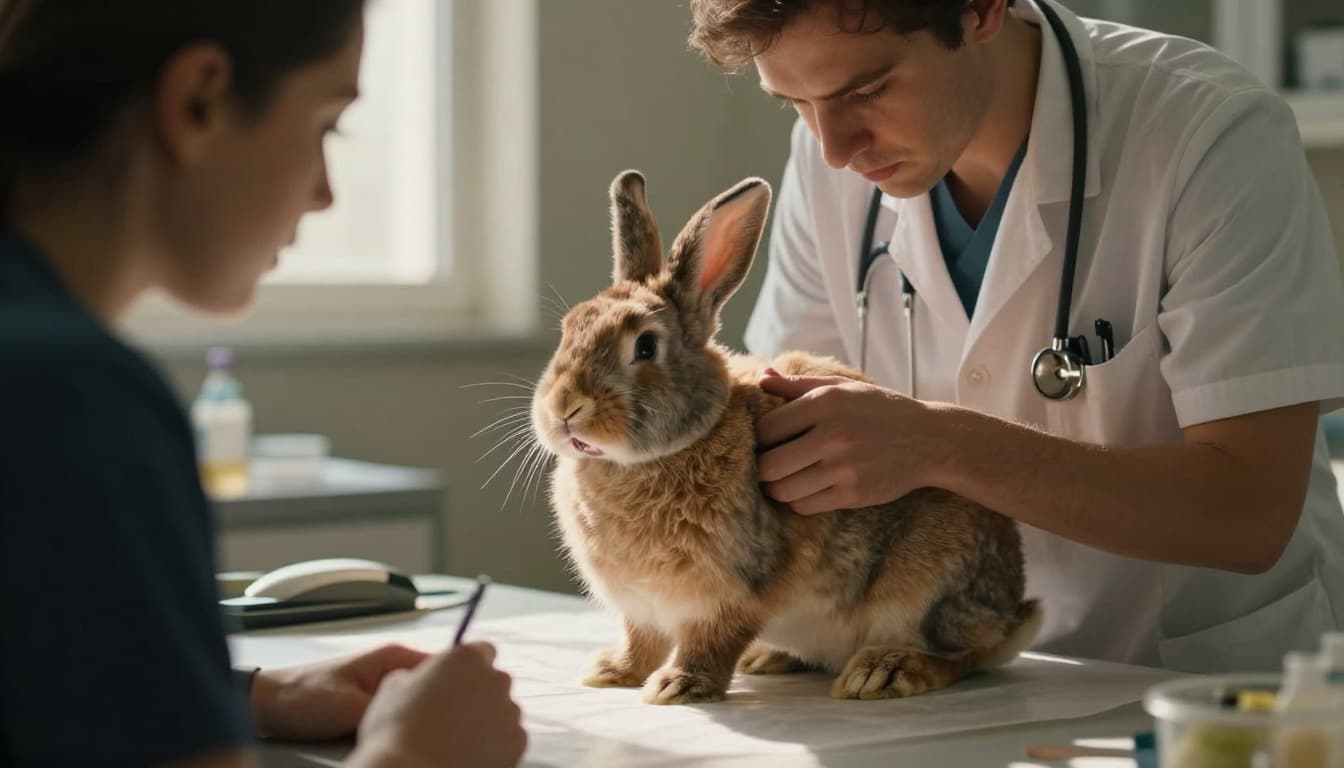
Birds need yearly feather and dropping checks. Ferrets watch adrenals at six months for seniors. Reptiles get habitat reviews annually. See VCA on small mammal visits. Find species pros. Tailor by health.
Schedules flex with needs. More trips keep exotics thriving.
Your pet’s timeline hinges on age and signals. Dogs and cats follow puppy-to-senior beats. Watch for red flags like lethargy or thirst. Routine care saves money and hearts.
Book that next visit today. Ask your vet about breed tweaks or lifestyle fits. Share your pet’s story in comments. What trip caught a hidden issue? Subscribe for health tips. Picture years of tail wags and purrs ahead.