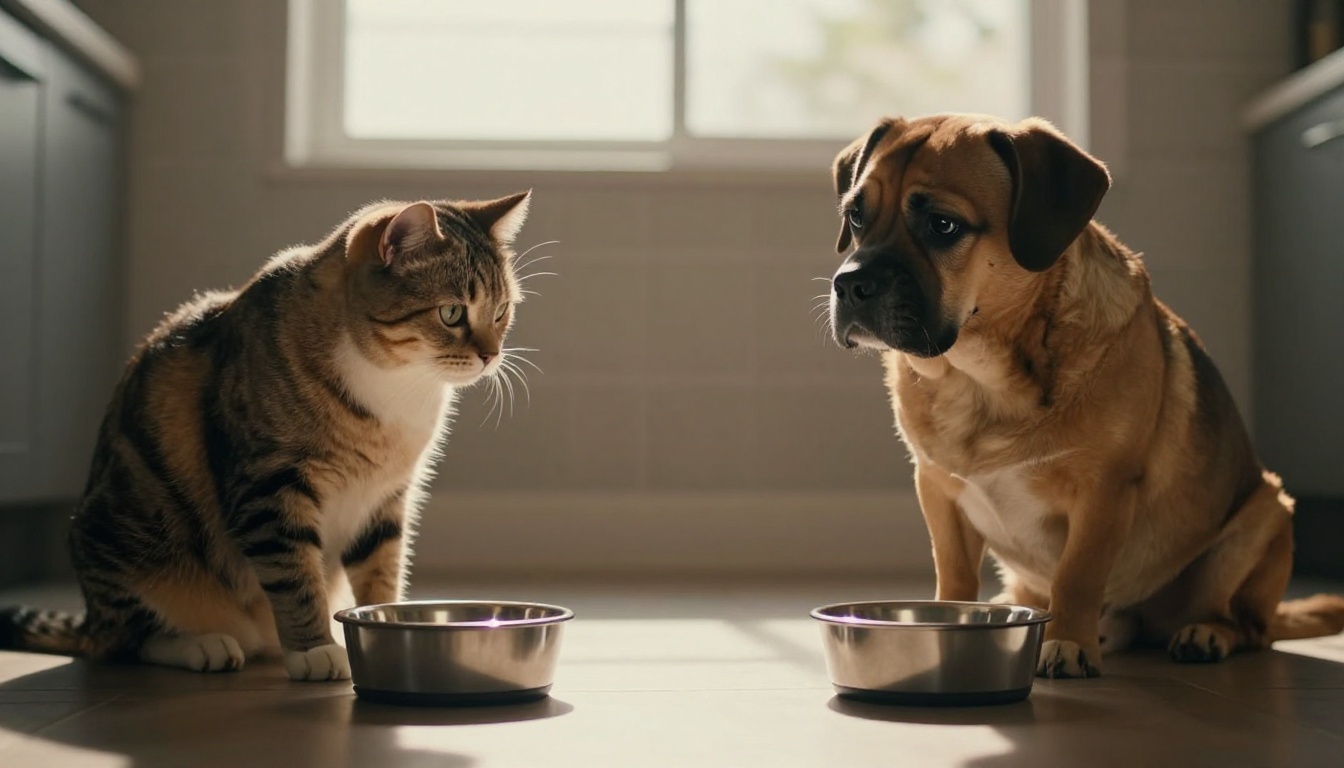
Picture this. You set down your cat’s favorite wet food, but she sniffs once and walks away. Or your dog ignores his kibble bowl for the second night in a row. These moments hit hard because pets eat with gusto most days. Yet signs your pet is not eating properly can point to real trouble. Poor intake leads to quick weight loss, weakness, and even fatty liver disease in cats, which strikes fast if they’re overweight.
You worry because early catches save lives. Cats face liver risks after just a day or two without food. Dogs weaken from missed meals too. This post covers physical changes, behavioral hints, top causes, and when to call the vet. Spot these clues now, and you act before issues grow.
Physical Changes That Signal Eating Problems
Your pet’s body often shows the first proof of eating woes. Weight drops fast without enough calories. Skin and coat lose shine. Digestion acts up. These shifts happen in dogs and cats alike, but small pets notice them quicker.
Run your hands over ribs and hips weekly. Healthy pets let you feel bones with light pressure. Sharp edges or visible points mean trouble.
Sudden Weight Loss or a Skinny Frame
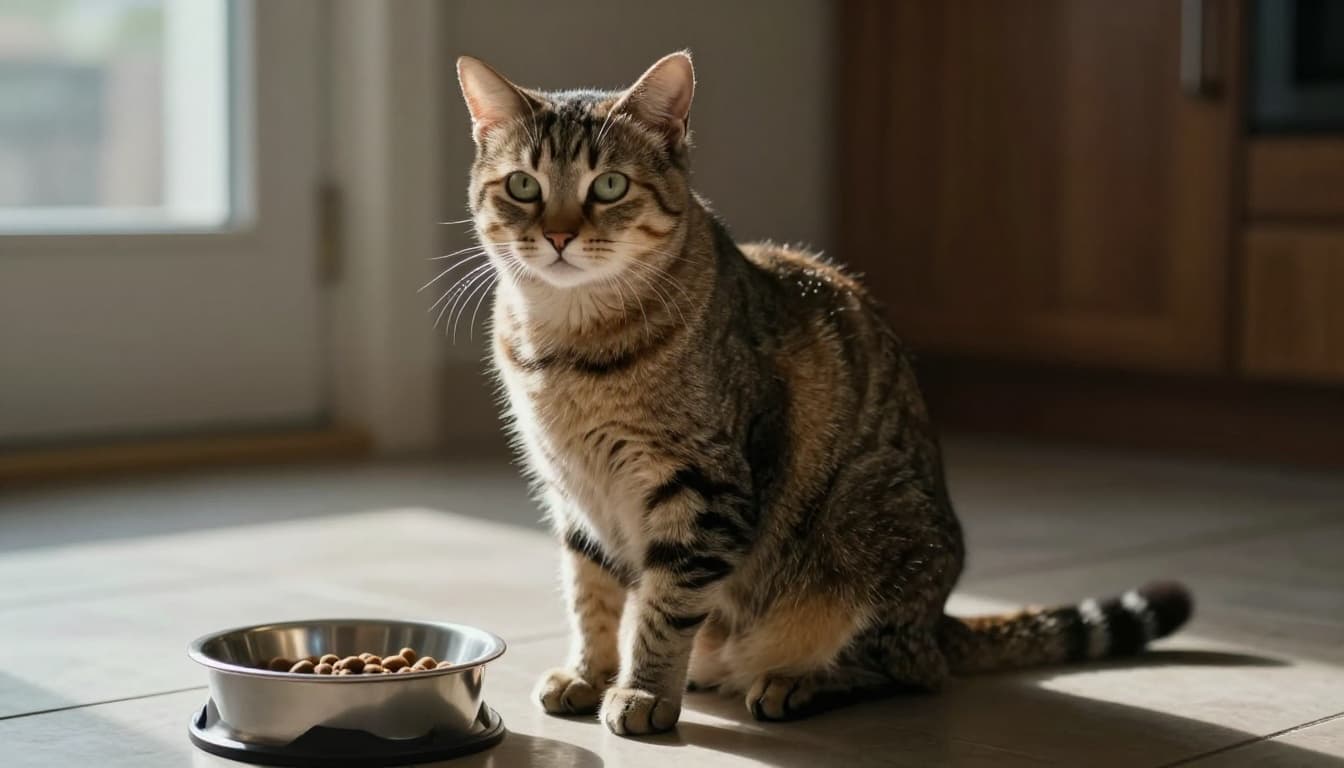
Quick pounds vanish when food stays untouched. You might see ribs poke through fur or hips stick out. This differs from normal slim builds. In cats, it shows under short coats first.
Small dogs and cats lose fat fastest, often in days. Weigh them weekly on a kitchen scale. A five percent drop in a week flags issues. Feel the waist; it should tuck gently. Bony spines signal poor nutrition.
Vets note this as a top alert. For example, a ten-pound cat dropping to eight pounds tires quick. Act early because muscle wastes next.
Digestive Upsets Like Vomiting or Loose Stools
Food not staying down disrupts everything. Vomit after meals means nausea blocks intake. Diarrhea pulls water and nutrients away. Constipation bloats the belly with discomfort.
Watch frequency. Once or twice passes, but daily runs dehydrate. Your dog might whine and poke his tummy. Cats hunch over litter boxes more.
Note stool color too. Pale or bloody needs a vet. These tie to eating refusal because the gut rebels.
Excess Drool, Bad Breath, or Lip Smacking
Nausea drips saliva. Pets smack lips or drool more than usual. Bad breath, like fish or rot, hints at mouth pain or tummy upset.
Cats lick lips often from queasy stomachs. Dogs pant with foul odors. Check gently if safe; red gums or loose teeth hurt chews.
These clues pair with skipped bowls. For more on cat symptoms, see SpectrumCare’s guide on cats not eating.
More Thirst, Frequent Peeing, or Bloated Belly
Extra water gulps signal kidney strain or diabetes, both kill appetite. Pets drink more, pee often, and still skip food.
Belly swells from gas, fluid, or blockages. Press gently; pain makes them pull away. Older cats link this to kidneys.
Test by touching. Tense or drum-like feels wrong. These changes demand checks.
Behavioral Hints Your Pet Is Dodging Meals
Actions speak loud around food time. Pets show avoidance before bodies change much. They approach bowls but bail. Energy dips too.
Differentiate picky eaters from sick ones. Healthy pets beg or play for treats. Ill ones ignore all.
Sniff and Leave: Interest but No Bites
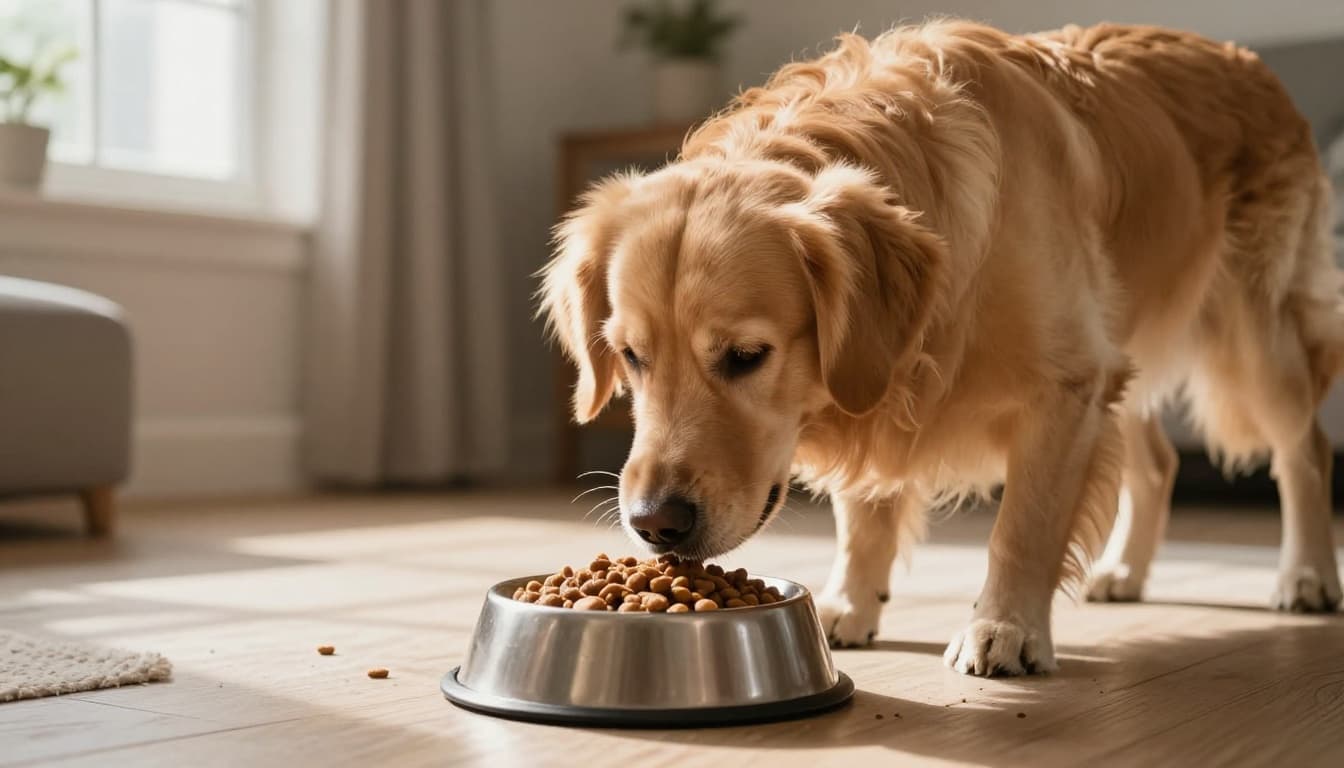
Your pet nears the bowl, sniffs deep, then turns off. This screams discomfort. Dental pain or nausea stops the next step.
Dogs circle plates first. Cats paw at edges. It’s not disinterest; something hurts.
Picking Soft Foods or Dropping Kibble
They grab wet food but spit dry kibble. Or beg for human scraps over bowls. Mouth issues make crunching tough.
Pups drop chunks. Kitties mash soft bits. Watch patterns; consistent picks point to pain.
Lethargy, Hiding, or Fidgety Behavior
Low energy follows no fuel. Your dog skips fetch. Cats sleep extra or hide under beds.
Restlessness paces without play. They seem off overall. Tie this to meals; unwell pets avoid routines.
Why Pets Suddenly Stop Eating: Top Causes
Reasons stack up fast. Food tweaks upset first. Pain or illness follows. Stress lingers.
In April 2026, vets push yearly dental checks. These catch plaque early, a top eater killer. Probiotics trend for gut fixes too.
Food Switch Fiascos or Picky Palates
New brands or stale kibble turn them away. Treat overloads spoil appetites. Switch over seven days; mix old and new.
Picky phases hit young pets. Add toppers like fish oil for appeal.
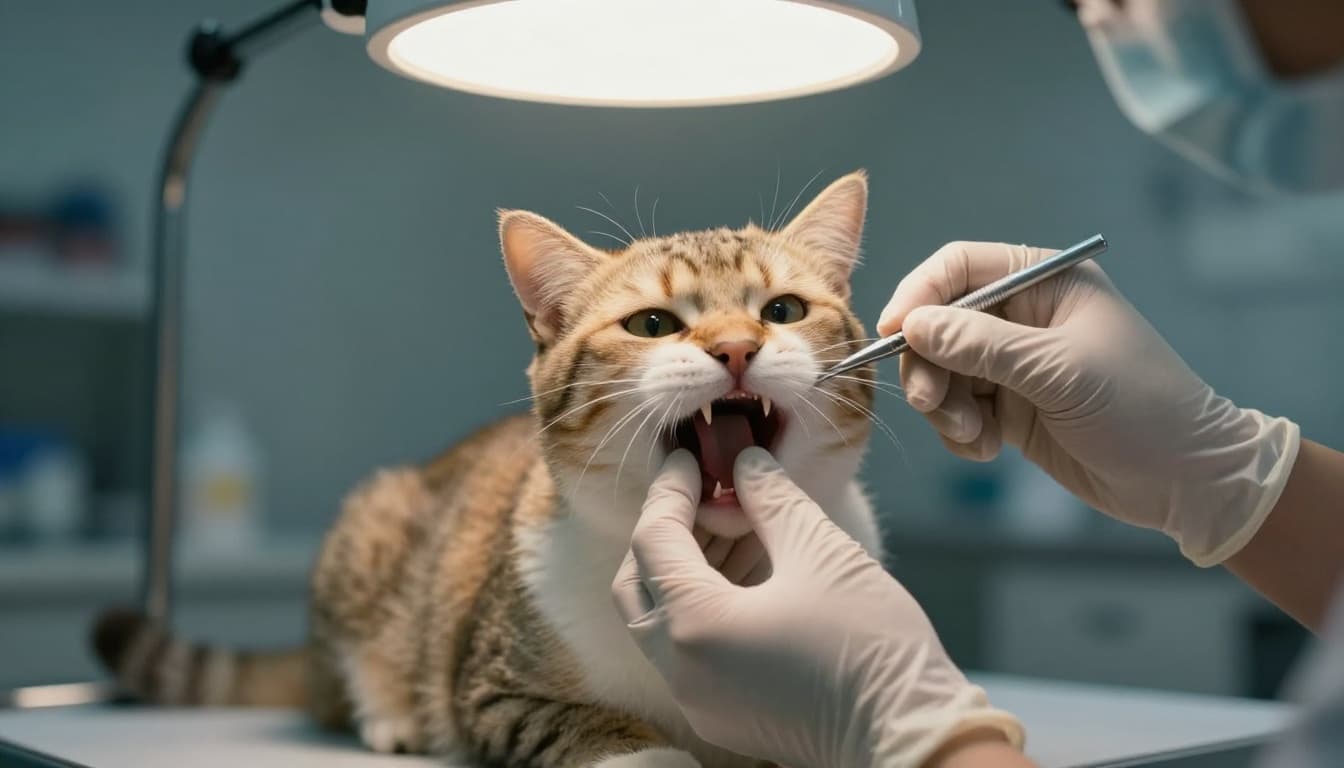
Pain in the Mouth or Teeth
Broken teeth or gum disease sting bites. Older dogs and cats suffer most. Yearly checks prevent this, per recent vet trends.
Swollen faces or pawing mouths clue you in.
Gut Blockages, Infections, or Nausea
Swallowed socks block dogs. Strings snag cats. Parasites or pancreatitis churn stomachs.
Probiotics help mild cases. Vets see these often.
| Cause | Dogs | Cats | Quick Fix Tip |
|---|---|---|---|
| Blockages | Rocks, toys | Strings, hairballs | X-rays needed |
| Infections | Worms, bacteria | Pancreatitis | Probiotics first |
| Nausea | Motion sickness | Food allergies | Bland diet trial |
Underlying Illnesses Like Kidney Disease
Seniors face kidney failure or cancer. These sap hunger slow. Diabetes spikes thirst too.
Early blood tests spot them. For common triggers, check Gardens Animal Hospital’s overview.
Act Fast: When to Call the Vet and What Happens Next
Don’t wait past 24 hours. Cats risk fatty liver quicker, in two days max. Pups dehydrate fast too.
Add lethargy or vomit? Go now. Note symptoms.
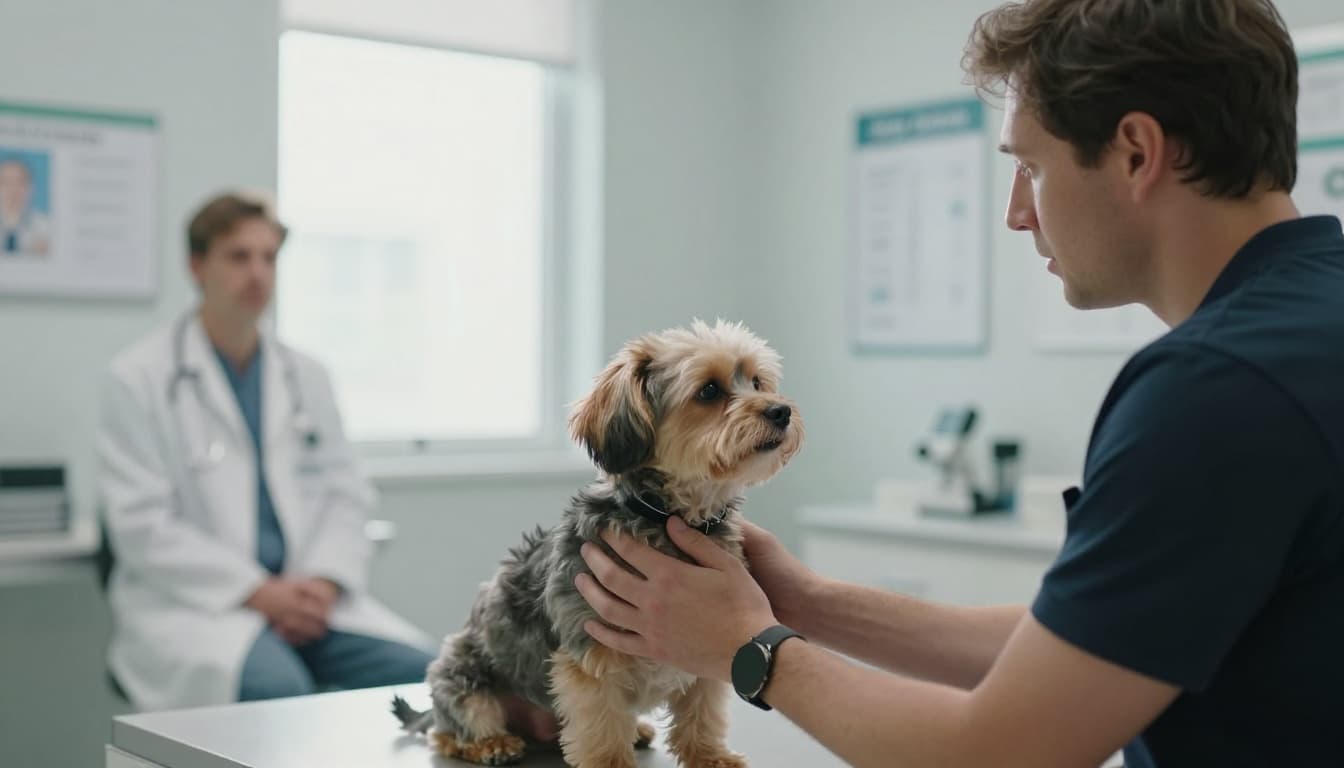
The Critical 24-Hour Rule for Dogs and Cats
One day without bites max. Cats hit liver crisis faster if plump. Dogs weaken by day two.
Track intake. No interest plus other signs? Phone ahead.
Preparing for and What to Expect at the Vet
Log days sick, food tried, poop details. Bring a stool sample.
Vets check teeth, feel bellies, run blood work. Appetite stimulants or fluids help quick. Probiotics trend for recovery.
See Urgent Pet Centers on cat emergencies for timelines.
Spot physical shifts like bony frames or tummy woes. Watch behaviors such as sniffing then bailing. Causes range from teeth pain to illness.
Early eyes prevent fatty liver or weakness. Check your pet today. Weigh weekly. Track meals in a notebook.
Worried? Call the vet. Share your story below. Your watch keeps them thriving. Sign up for tips on pet health.