
You bring home your first pet, a shy rescue cat named Whiskers. It darts under the bed and won’t come out, no matter how many treats you offer. After weeks of sitting nearby with quiet patience, reading a book while letting it watch you, Whiskers finally rubs against your leg and purrs loudly.
That moment changes everything. Building trust with your pet as a beginner creates a happy home where your dog or cat feels safe. It leads to better behavior, less stress for everyone, and a stronger bond that lasts years.
Many new owners face the same hurdles. Your pet might hide, ignore you, or act fearful because the world feels overwhelming. However, simple steps make a big difference for both dogs and cats.
Experts recommend the 3-3-3 rule for dogs: three days to decompress in a safe space, three weeks to learn routines, and three months to settle fully. For cats, use slow introductions; keep them in a quiet room first and let them approach on their terms. These approaches, backed by recent advice, set realistic expectations so you stay patient.
In this post, you’ll learn key steps like respecting their space, daily bonding activities, consistent routines, common mistakes to skip, and signs of success. First, we’ll cover why giving space matters most and how to do it right.
Give Your Pet Space to Approach You First
You might feel tempted to scoop up your new pet for cuddles right away. However, forcing hugs or pets often backfires. Pets read that as a threat, so they pull away, hide, or snap in fear. This breaks trust before it starts because they need control over interactions.
Instead, sit quietly nearby and wait. Let your dog or cat decide when to approach. Offer your hand low for a sniff, then pause. Reward curiosity with a treat or soft praise. Stay calm yourself; yelling or sudden moves spike their stress. If kids join in, supervise closely. Teach them to pet gently only after the pet comes near, and stop at any tense signals.
Watch for stress signs like these, and back off right away:
- Growling or hissing.
- Ears flat back or tail tucked.
- Wide eyes with dilated pupils.
- Lip licking or yawning a lot.
Separate calmly if needed, then try again later. Patience like this builds real confidence. Your pet learns you respect their boundaries, so bonds grow stronger over time.
Tailor Your Approach to Dogs Versus Cats
Dogs and cats warm up differently, so match your methods to their style. Dogs often lean in quicker during short walks or play. Cats prefer hide spots and wand toys before close contact. In addition, play soft pet sounds or baby coos softly at first to ease nerves.
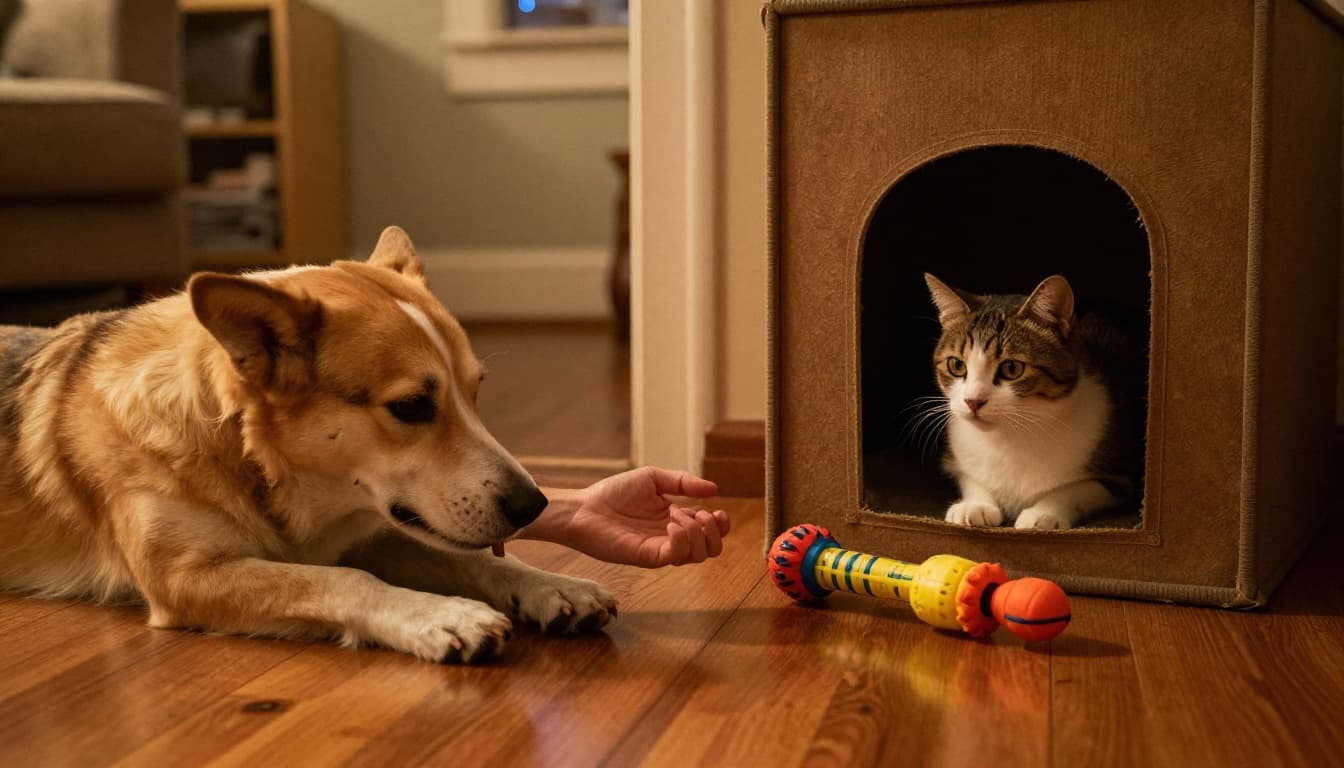
For dogs, follow the 3-3-3 rule to guide those early days. First three days focus on decompress time. Keep things quiet; let them rest in a safe crate or room without visitors or long walks. They might hide or skip meals, but that’s normal.
Next, the first three weeks build routines. Feed at set times, take short potty walks, and praise calm behavior. Personality emerges here, so respond with positive rewards.
By three months, deeper bonds form. They play freely and wag tails loosely. Adjust pace if your dog needs more time.
Cats thrive in a safe room setup first. Choose a quiet bathroom or spare room away from foot traffic. Add food and water bowls far from the litter box (one per cat plus extra), hiding spots like a blanket box, scratching post, wand toys, bed, and perch.
Visit daily to sit silently. Slide treats under the door at first. Let them sniff your hand before stroking the back or chest; skip face or tail pets. Play wand games twice a day for 10 minutes. They approach when ready, often rubbing or purring as trust grows.
Meanwhile, dogs might nuzzle during a gentle walk after day three. Cats peek out after a week in their room. Both reward your wait with loyal affection.
Create Positive Vibes with Short Daily Hangouts
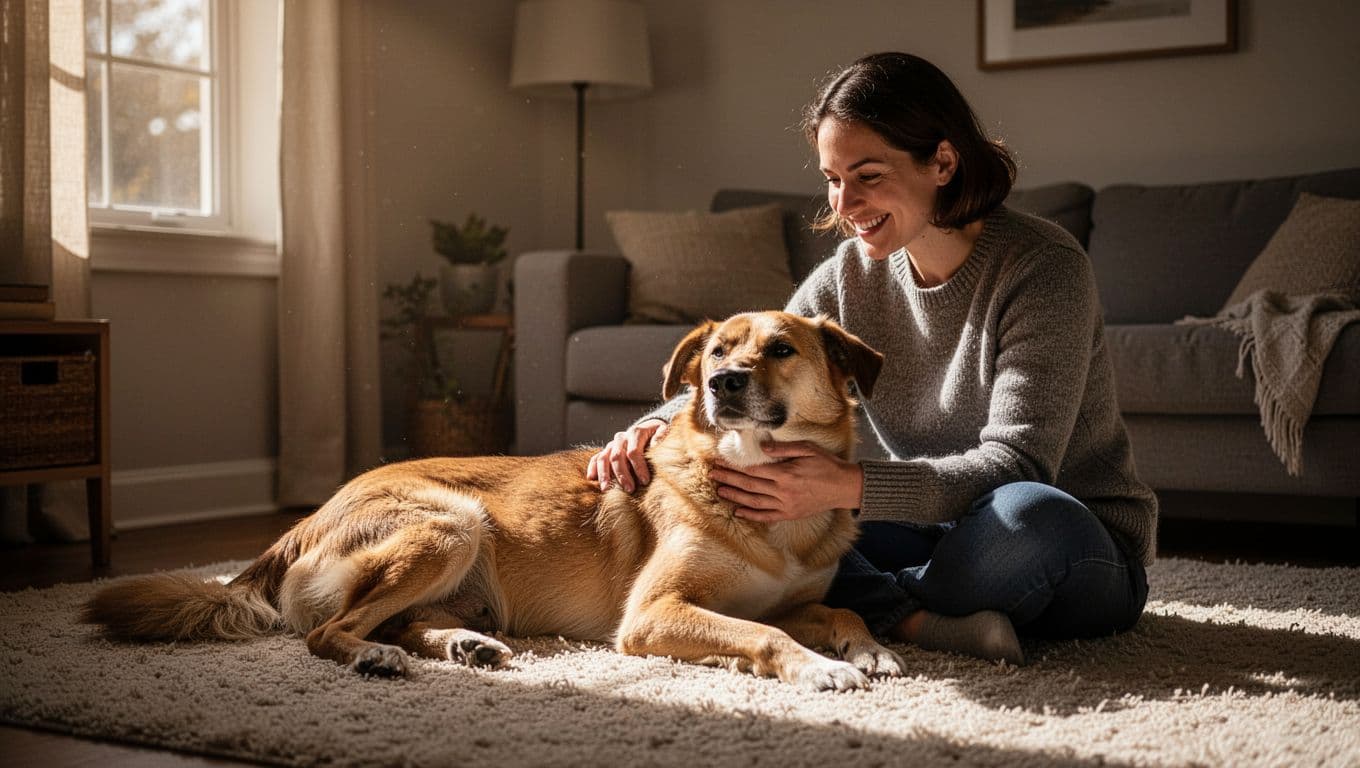
Short daily hangouts work wonders for trust. Spend 10 to 15 minutes each day giving your pet full attention. Sit quietly on the floor, make eye contact, and stay off your phone. Your presence becomes a signal for good things, so they see you as safe and fun. Consistency turns these moments into routines they crave. As a result, calm behavior grows because they predict positive outcomes.
Pair your time together with praise, gentle pets, or quick play. However, skip heavy treat use to avoid reliance. Instead, healthy bits like plain chicken come sparingly as bonuses. Dogs and cats relax faster when they link you to joy, not just food. Recent tips stress this balance for stronger bonds.
Smart Ways to Reward Without Overdoing Treats
Voice praise tops the list every time. Say “good boy” or “good girl” in a happy tone when they sit near you calmly. Pets light up from your excitement, so use big smiles and happy faces too. In addition, gentle pets on the chest or back reinforce that closeness.
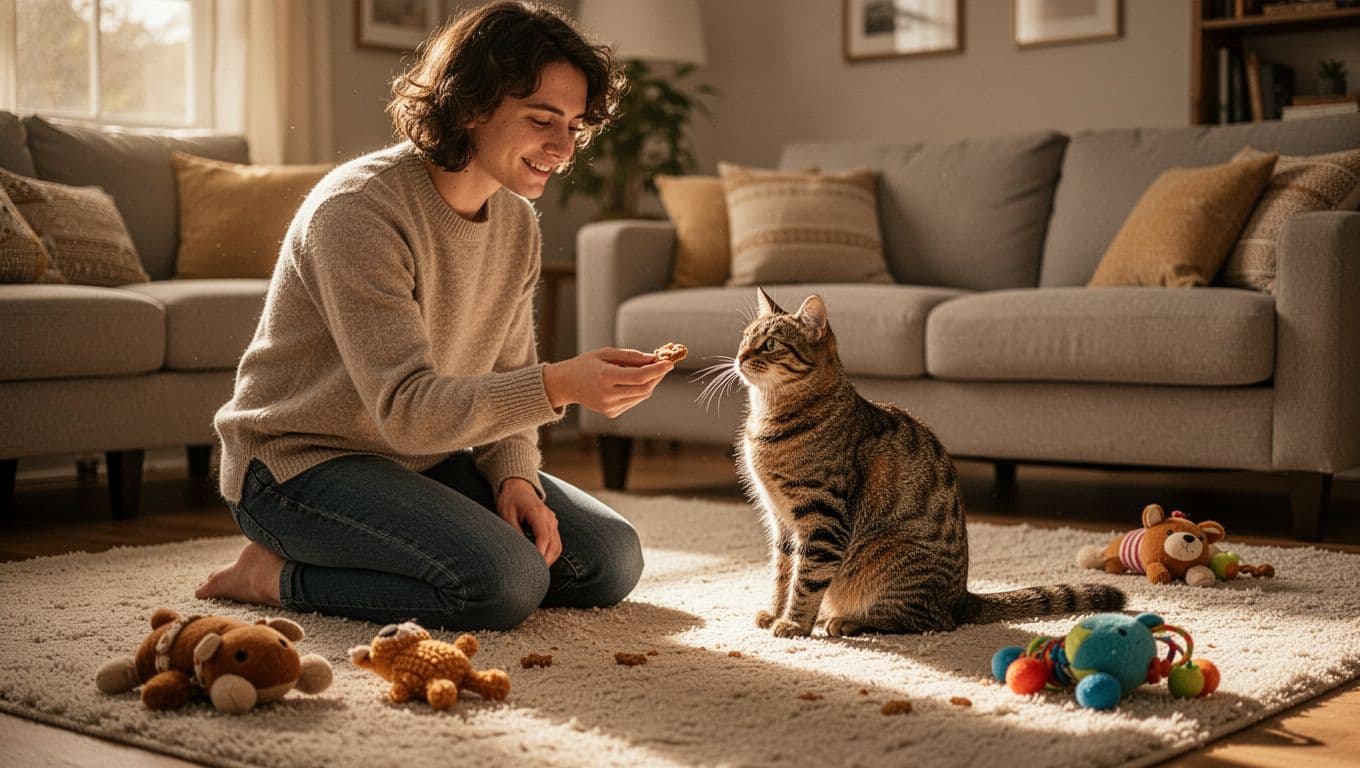
Treats stay as rare bonuses. Offer one only for staying relaxed by your side during hangouts. This way, they associate you with fun snacks without begging later. Experts note that creative alternatives like praise and petting build lasting habits better than food alone.
Start simple. Sit with your dog for five minutes and praise quiet sits. For cats, stroke while they purr on your lap. Over days, they lean in more because rewards come from you directly. Meanwhile, avoid overfeeding; hand-feed a tiny chicken piece weekly at most. Your calm sessions teach them peace equals good vibes.
Fun Play Sessions That Boost Confidence
Play tires them mentally and strengthens ties. Use toys for fetch with dogs or chasing for cats. These games build confidence because success feels great. Mentally stimulated pets bond quicker since they trust your lead.
Begin with short bursts. Toss a ball lightly for your dog to chase, then praise the return. Cats love wand toys; dangle and jerk to spark pounces. No hands in play to dodge scratches. Rotate toys weekly for fresh excitement.
Daily sessions sharpen focus. For example, hide kibble in a snuffle mat and cheer finds. Dogs gain poise from confidence-boosting play. Cats bat lasers calmly after a week. End on wins, so they end happy.
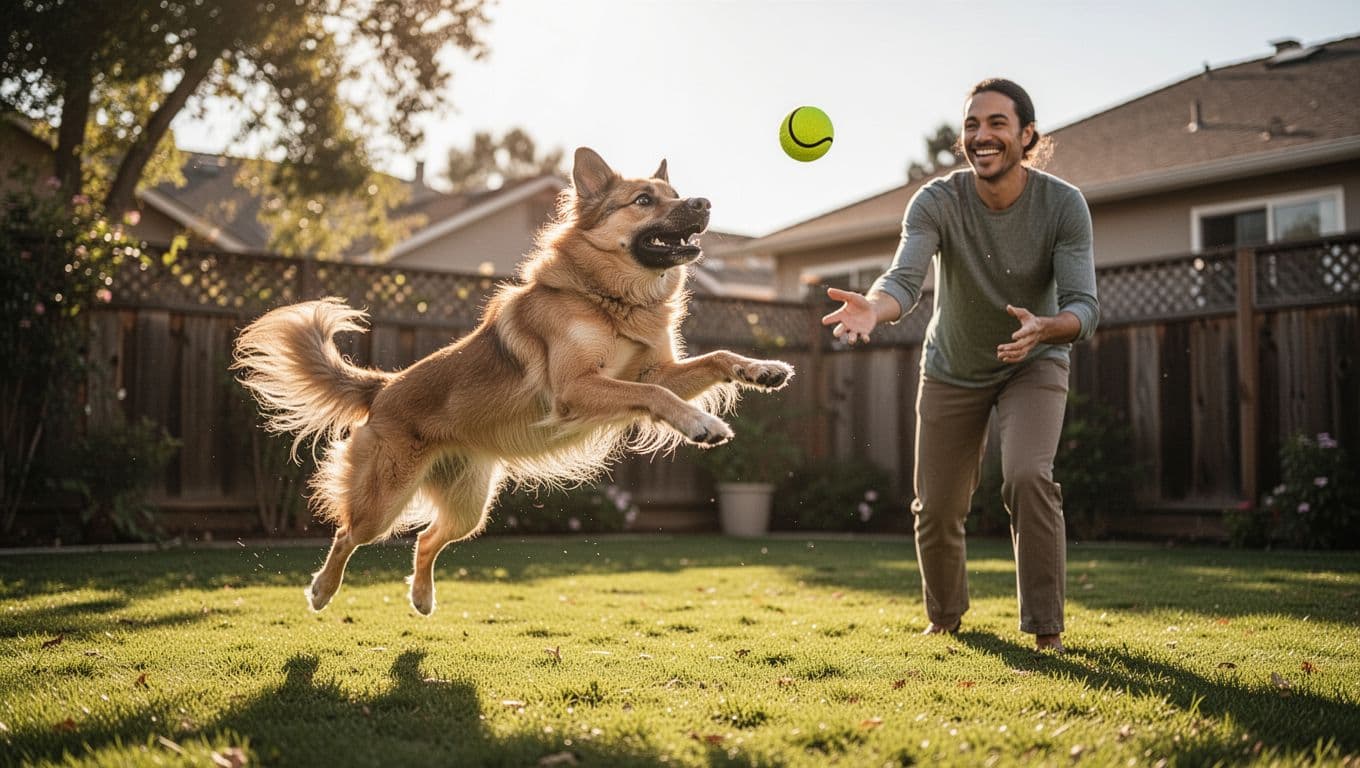
Stick to 10 minutes twice daily. Your consistency makes play predictable fun. Soon, they approach eagerly, tails high.
Set Up Routines and Easy Training for Security
Predictable routines give your pet a sense of security. They know what comes next, so stress drops and trust grows. Add short, positive training sessions, and you create a shared language through rewards. No yelling or harsh corrections; just calm praise and treats for good choices. Consistency in rules keeps things clear. For example, your dog waits happily at the door for walks, or your cat finishes meals without fuss. Recent trends show natural foods boost wellness, which supports this bond even more.
Start training basics like sit, stay, and come in five-minute bursts daily. Lure with a treat, mark success with “yes,” and reward right away. Dogs pick it up fast on walks; cats respond during play. This builds obedience without fear, as positive reinforcement guides explain. Meanwhile, pair it with routines for full effect.
Daily Schedules Your Pet Will Love
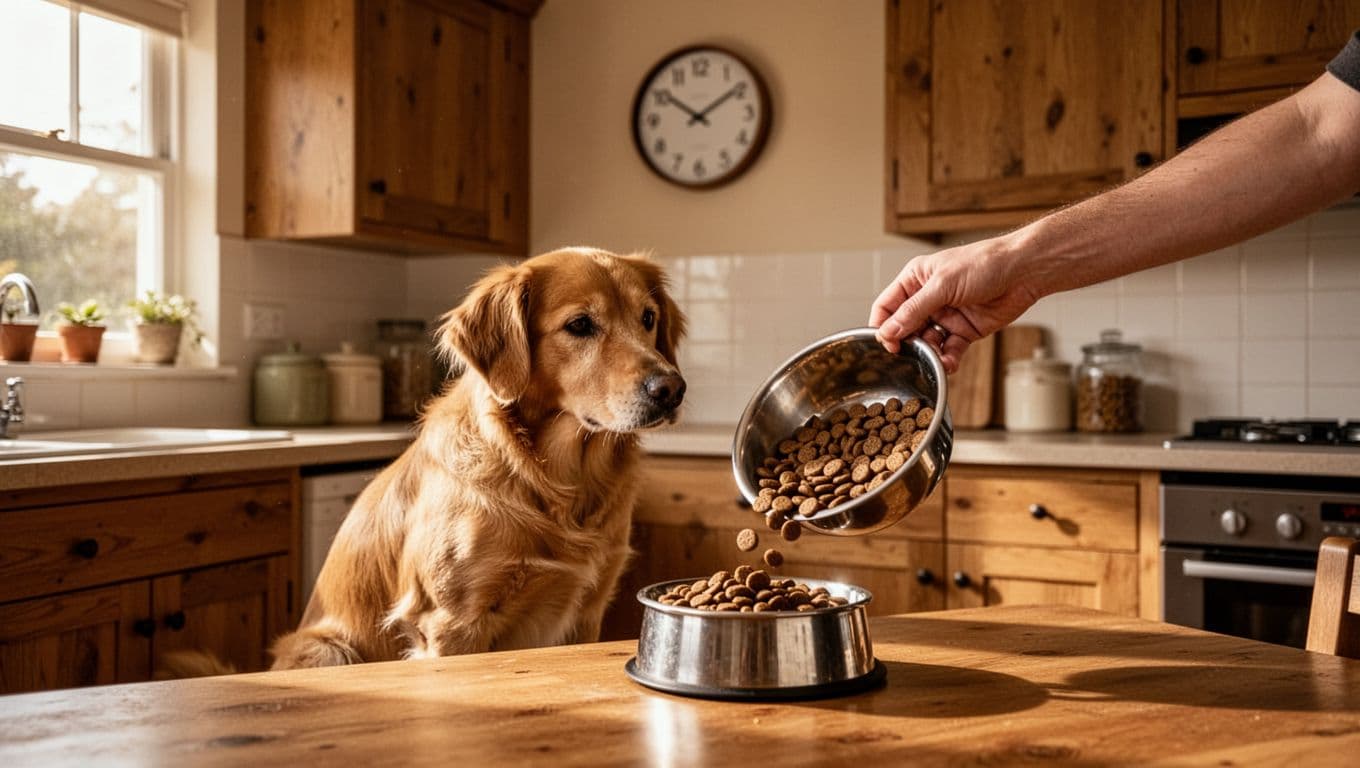
Set feeding and exercise at the same times each day. Your pet anticipates them, which cuts anxiety and improves digestion. Dogs thrive on morning walks and evening play; cats prefer quiet feedings twice daily with short chases after. Match the schedule to their personality. Social pets need group play or neighbor dog meetups. Shy ones do best with solo quiet time and gentle routines.
Busy schedules work too. Feed breakfast at 7 a.m., potty break at 8 a.m., play at noon, dinner at 6 p.m., and bedtime wind-down. This predictability leads to better sleep and energy. As a result, health improves; regular meals prevent tummy issues, and exercise keeps weight steady.
Consider 2026 wellness trends like functional pet foods with probiotics. These support gut health and calm moods, so your pet feels great and trusts the routine more. For instance, switch to quality kibble, and watch your cat eat on schedule without hiding.
Tailor further for personality. An outgoing dog joins family walks; a timid cat gets feather wand sessions alone. Track progress in a simple journal. Soon, they relax because life feels safe.
Besides, daily care routines for new pets fit beginners perfectly. Your efforts pay off when tails wag at mealtime or purrs fill the air. Keep it simple, stay consistent, and watch security build.
Dodge These Trust-Killing Beginner Blunders
New pet owners often mean well, but small slip-ups can scare animals and slow trust. You chase a hug or check your phone, and suddenly your dog cowers or your cat bolts. These habits create fear instead of safety. However, spotting them early lets you fix fast. Patience turns weeks of hiding into tail wags and purrs. Let’s break down the top errors and simple swaps.
Skip Forced Hugs and Quick Intros
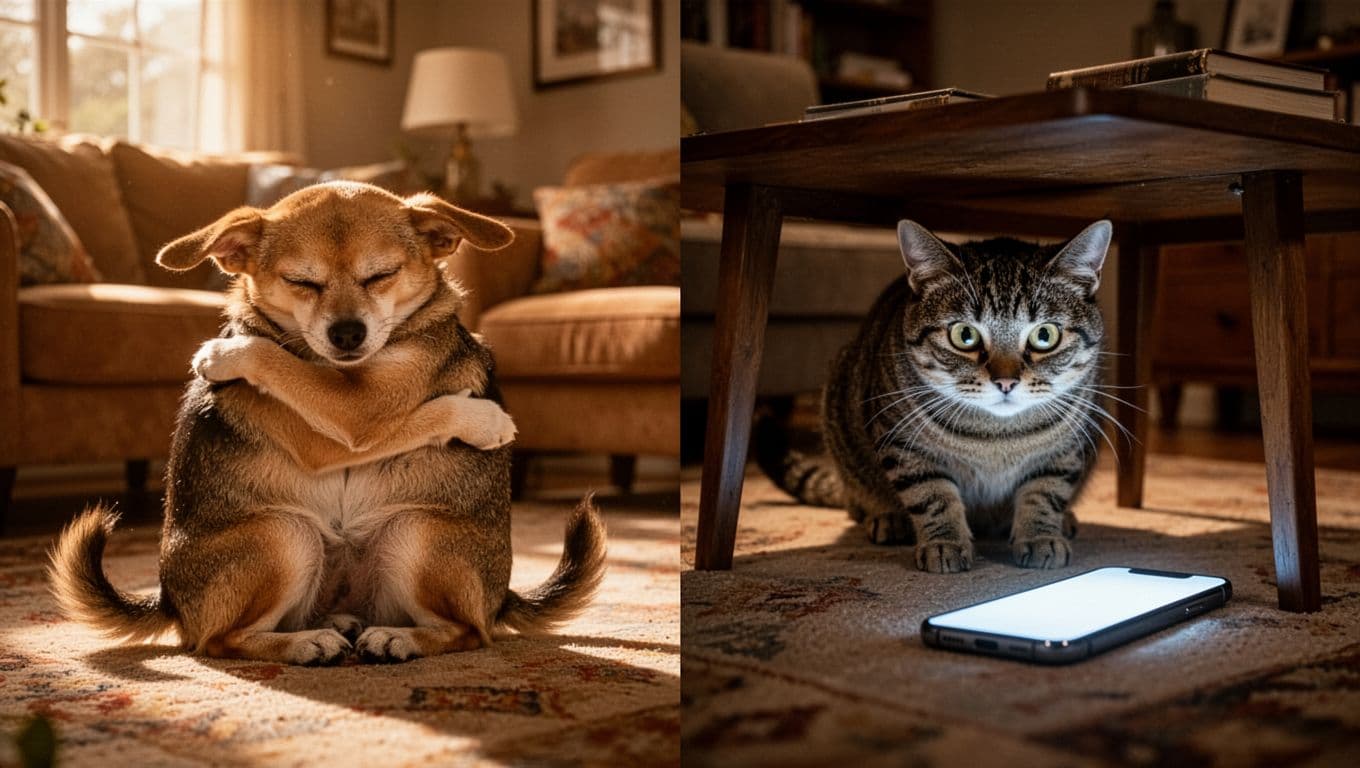
You spot your new dog and lunge for a cuddle. That traps them, so they stiffen or snap back. Cats feel the same; they swish tails or flatten ears when cornered. Rushing intros overwhelms too. Guests crowd in day one, and your pet hides for days.
Instead, let them choose the pace. Sit still and extend a hand low. Praise sniffs with soft words. Go slow on visitors; one at a time after a week. This respect builds calm confidence. As a result, they approach freely because you honor their space.
No yelling helps most. Harsh tones spike fear, so dogs tuck tails and cats hiss. Swap scolds for calm ignores. Reward quiet sits instead. Experts note this positive shift with adopted dogs speeds bonds without damage.
Ditch Phone Distractions and Inconsistent Rules
Phones steal focus during hangouts. Your cat inches close, but you scroll and miss the lean-in. They read that as disinterest, so trust stalls. Dogs jump for attention, but mixed signals confuse them.
Stay present fully. Put devices away for those 10 minutes. Eye contact and smiles show you’re all in. Meanwhile, inconsistent rules confuse more. Feed at odd times or allow jumping sometimes, and anxiety builds.
Stick to routines daily. Same commands, same rewards. Turn from bad jumps until calm, then pet. Fairness daily creates security. Besides, overexposure tires them out. Limit new people until settled.
Spot and Ease Stress Signals Right Away
Pets signal stress clearly, but beginners miss them. Watch body cues to pause and fix.
Here are common signs in a quick view:
| Stress Sign | In Dogs | In Cats |
|---|---|---|
| Ears back or flat | Tense fear | Stop petting now |
| Tail tucked/low | Hiding urge | Agitated swish |
| Lip licks/yawns | High anxiety | Overwhelmed |
| Dilated pupils | Sudden threat | Wide-eyed alert |
Back off at these. Offer space or a toy. For deeper help on relieving pet stress, check vet tips. Soon, signals fade as trust grows. Your awareness turns blunders into stronger ties.
Spot the Happy Signs Your Pet Trusts You Now
You’ve given space, hung out daily, and set routines. Now watch for joyful proof that trust blooms. Your pet shows it through relaxed body language and eager choices. These signs mean they feel safe with you. Spot more of them, and celebrate; your bond strengthens each day. Track them in a notebook to see progress over weeks. For dogs, check PetMD’s trust signals. Cats share similar cues, like these eight happy ones.
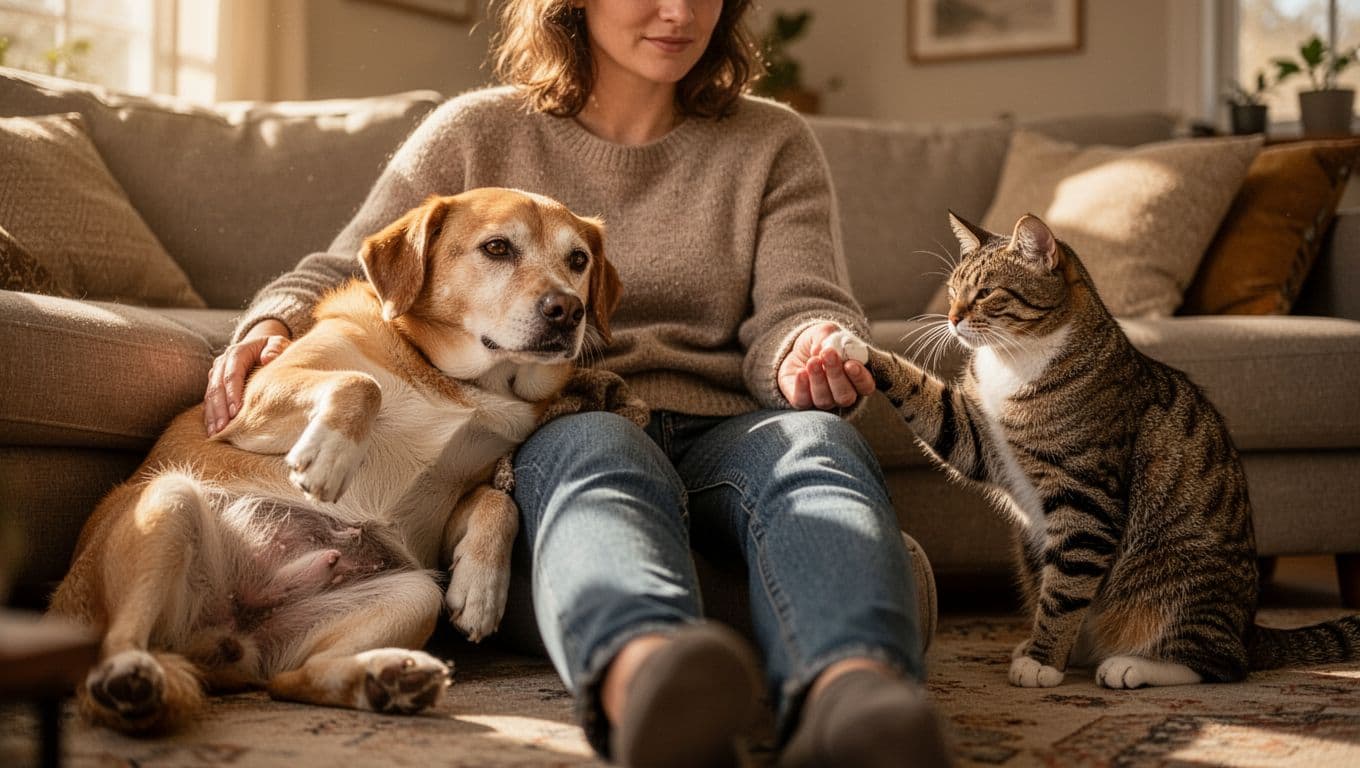
- Soft eye contact: They hold your gaze with half-closed eyes, not staring hard. This releases feel-good hormones, so they relax fully around you.
- Exposes belly for rubs: Dogs flop over; cats roll slightly. They show their soft underbelly because they know you won’t hurt them.
- Leans into you: Your dog presses against your leg, or cat rests nearby. Physical contact means they seek your comfort and warmth.
- Relaxes near you: Loose body, sighs, or yawns happen close by. No tension signals safety in your presence.
- Follows you everywhere: From room to room, they trail without worry. You lead their world now, and they love it.
- Takes food gently: No snatching or gulping. Soft mouths show they trust you won’t yank away.
- Shares toys with you: Drops balls or strings at your feet. Play becomes teamwork because they enjoy your company.
- Calms quick from scares: Thunder booms, but they hide by you then settle fast. Your vibe reassures them right away.
- Nudges for pets: Pokes your hand or lap for strokes. They start it because touch from you feels good and safe.
Spot these daily, and grin big. More signs pop up as weeks pass. Your patience pays off in wags and purrs. Keep going; deeper trust follows.
Conclusion
Patience stands as your biggest ally. You give space, share short hangouts, stick to routines, dodge blunders, and spot happy signs like soft gazes or belly rubs. As a result, most pets warm up in 2 to 3 weeks, though some need up to 3 months.
Your calm approach pays off big. Dogs lean in during walks; cats purr on laps. Boost wellness with quality functional foods for steady energy and gut health, or catios for safe outdoor fun. These extras speed bonds because pets feel secure and strong.
Start one tip today, like a quiet sit nearby. Share your pet’s progress in the comments below. What trust sign popped up first for you?
Enjoy the loyal friend you’re building, one patient day at a time.