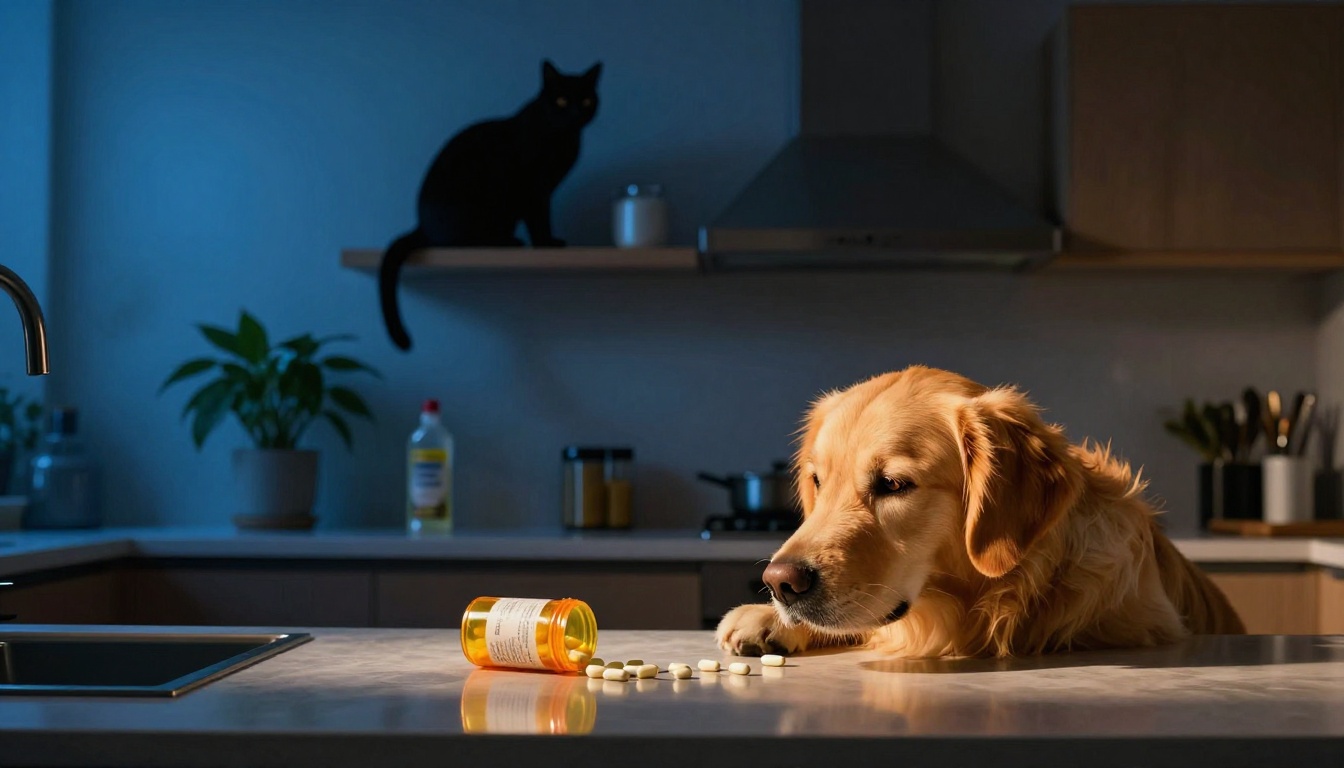
Picture this: your dog knocks over a pill bottle while you shower. Pills scatter across the floor. He sniffs, then swallows a few before you notice. Moments later, he vomits and acts dizzy. Stories like this happen daily. Pets explore the world with their mouths and noses. They chew, lick, and swallow without thinking twice.
Household items dangerous for pets hide in plain sight. Human medications lead the list at 16.9% of calls to ASPCA Poison Control in 2025. Foods follow close at 16.4%. Plants and cleaners round out the risks. These everyday things cause thousands of vet visits each year.
You love your pet. So do I. This post breaks down the top dangers from meds, foods, plants, and cleaners. You’ll learn symptoms and easy fixes. Keep reading to spot pet toxins at home and protect your furry friend.
Human Medications: The Silent Killer in Your Medicine Cabinet
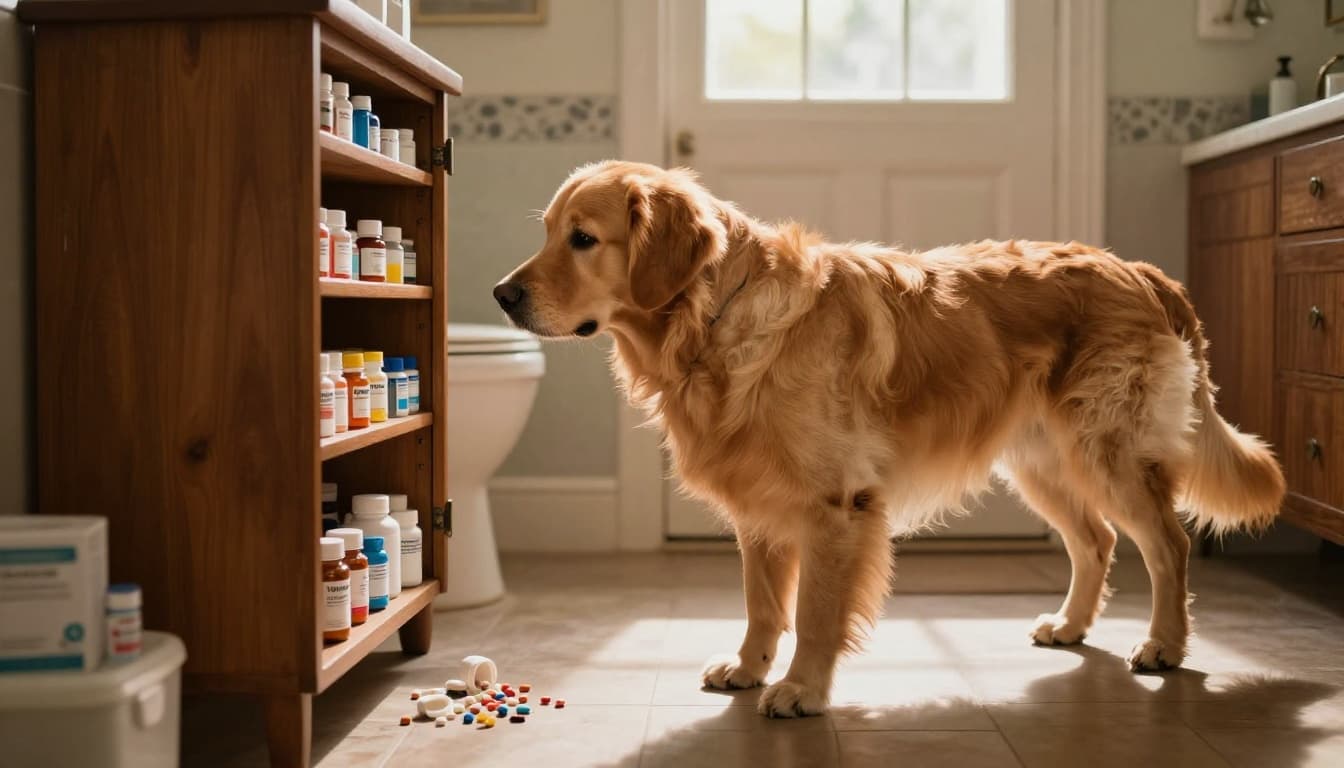
Pets love to raid cabinets. They jump counters or paw doors open. Over-the-counter meds top poison lists. ASPCA data shows they caused 16.9% of cases in 2025. Even one pill hurts.
Dogs suffer stomach ulcers from ibuprofen. Kidneys fail fast. Cats face worse with acetaminophen. It destroys livers and red blood cells. Tiny doses prove deadly because pets process drugs differently.
Symptoms hit quick. Vomiting starts. Lethargy follows. Seizures or coma end it bad cases. Heart drugs slow blood pressure. Antidepressants spark tremors or odd behavior. ADHD pills like Adderall race hearts.
Painkillers and Cold Remedies Pets Should Never Touch
Ibuprofen ranks high for dogs. It causes gut bleeding and kidney shutdown. One 200 mg pill risks a 20-pound pup. Acetaminophen tops cat calls. Anemia swells faces. Liver fails in days. Dark urine signals trouble. Drooling and belly pain scream alert.
Pet Poison Helpline notes these as frequent callers. Even gum drops count. Vets see it often.
Prescription Pills That Accidentally Harm Curious Pets
Antidepressants change pet moods. Seizures shake bodies. Heart meds drop pressure; pets faint. Adderall speeds hearts to panic. Kids drop pills. Pets find them.
Lock cabinets now. Use childproof ones. Never share human meds. Ask vets first. Toss expired drugs safely. These steps save lives.
Tasty Treats from Your Kitchen That Pack a Toxic Punch
Kitchens tempt pets most. Counters hold scraps. Trash overflows with yum smells. Foods caused 16.4% of 2025 exposures per ASPCA. Chocolate leads dogs. Xylitol climbs lists.
Pets beg because food smells great. But theobromine in chocolate revs hearts. Vomiting leads to seizures. Dark baker’s type hits hardest. One ounce per pound endangers small dogs.
Xylitol hides in gum and peanut butter. Blood sugar crashes fast. Liver shuts down hours later. Grapes cause kidney failure. Any amount risks it. Onions damage red cells. Anemia weakens pups.
Chocolate and Sugar-Free Goodies: Sweet Dangers for Dogs
Chocolate stays number one for dogs. Pet Poison Helpline’s 2025 report card confirms it. Theobromine builds up slow. Symptoms lag: restlessness, then collapse.
Xylitol acts quicker. Sugar-free treats drop insulin. One gum piece dooms toy breeds. Watch labels always.
Fruits, Nuts, and Alliums Your Pet Must Avoid
Grapes and raisins swell kidneys. No safe dose exists. Onions, garlic, leeks harm blood. Macadamia nuts spark weakness. Tremors and fever follow.
Clear counters daily. Trash stays lidded. Train “leave it.” No table scraps ever. These habits block trouble.
Beautiful Plants That Could Send Your Pet to the Vet
Homes and yards bloom with green. Cats nibble leaves. Dogs dig roots. Plants hit 6% of cases. Cats suffer most from lilies.
Lilies kill kidneys. Pollen alone dooms cats. Sago palms fail livers. Seeds tempt most. Oleander stops hearts cold.
Drooling starts. Vomiting follows. Collapse ends it. ID plants first. Swap for safe ones like spider plants.
Lilies and Palms: The Deadliest Houseplants Around
Easter lilies top cat lists. Every part poisons. Tiger lilies match it. Drink water from vases; same risk.
Sago palms kill dogs too. Vomiting turns bloody. Jaundice yellows eyes. Act in hours.
Flowering Shrubs and Vines Lurking in Yards
Oleander leaves twitch hearts. Azaleas vomit and stagger. Rhododendrons match. Keep yards fenced. Remove risks.
Research pet-safe lists. Elevate pots high.
Cleaning Products and Chemicals Under Your Sink
Sinks hide bleach and pods. Pets paw buckets. Cleaners caused notable calls in 2025. Burns scar mouths. Laundry pods tempt cats.
Bleach fumes irritate lungs. Ammonia mixes deadly gas. Drain openers melt tissue.
Rodenticides bleed pets inside. Essential oils like tea tree seize cats. Cocoa mulch mimics chocolate.
Bathroom and Kitchen Cleaners That Burn on Contact
Bleach burns throats. Pets paw spills; ulcers form. Ammonia swells eyes. Toilet cleaners corrode.
Rinse fast. Ventilate well. Pets stay out during use.
Pest Poisons, Oils, and Yard Hazards
Rat baits top at 7.5% per ASPCA’s top 10 toxins list. Bleeding gums signal it. Tea tree oil drools cats. Flea meds cross species bad.
Store up high. Lock doors. Use pet-safe options.
Signs Your Pet Ate Something Toxic and What to Do Next
Watch close. Vomiting hits first. Diarrhea soaks beds. Drooling wets chins.
Tremors shake legs. Lethargy drops energy. Fast breath pants hard. Seizures jerk bodies.
Note what you saw. Time it. Call vet or Pet Poison Helpline at 855-764-7661. Don’t force vomit. It worsens some cases like sharp bones.
Lilies demand rush. Meds too. Vets pump stomachs. Give charcoal. Time saves organs.
Easy Ways to Make Your Home Pet-Safe Today
Start simple. Child locks seal cabinets. Trash bins lid tight.
Elevate plants. Counters stay clear. No food shares.
Vet products only. Check yards weekly. Fences block yards.
Make a list:
- Lock meds and cleaners.
- Lidded trash everywhere.
- Pet-free clean times.
- ID all plants.
Small changes work big. Your pet thanks you.
Your home holds real risks for pets. Meds lead at 16.9%. Foods, plants, and cleaners follow. Pets trust you to spot them.
Stay vigilant. Check rooms now. Call vets for doubts.
Share this with friends. Protect more pets today. What’s your top worry?