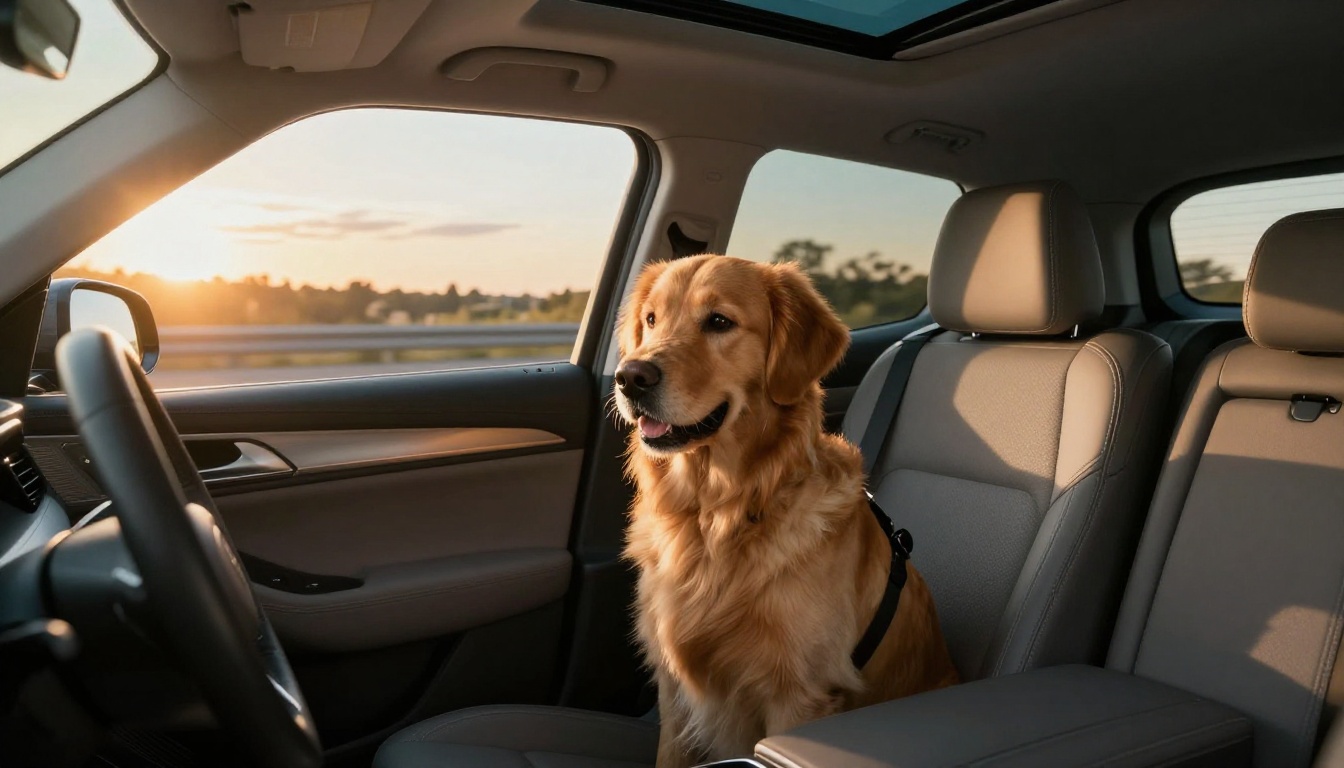
Picture this. You pack the car for a family road trip. Your dog bounces with excitement in the back. Then a sudden stop sends him sliding across the seat. Chaos follows. No one gets hurt, but the scare lingers. Stories like this happen too often.
In 2026, tighter airline rules and summer heat bans make safe pet travel essential. Pets face more risks from heatstroke or lost documents. Yet millions travel with dogs, cats, and birds each year. You can join them without stress.
This guide covers prep steps, car tips, flying rules, trains and buses, plus top gear. Follow these simple actions for smooth adventures. Ready to hit the road without worries?
Prepare Your Pet for Any Trip with Vet Checks and Essentials
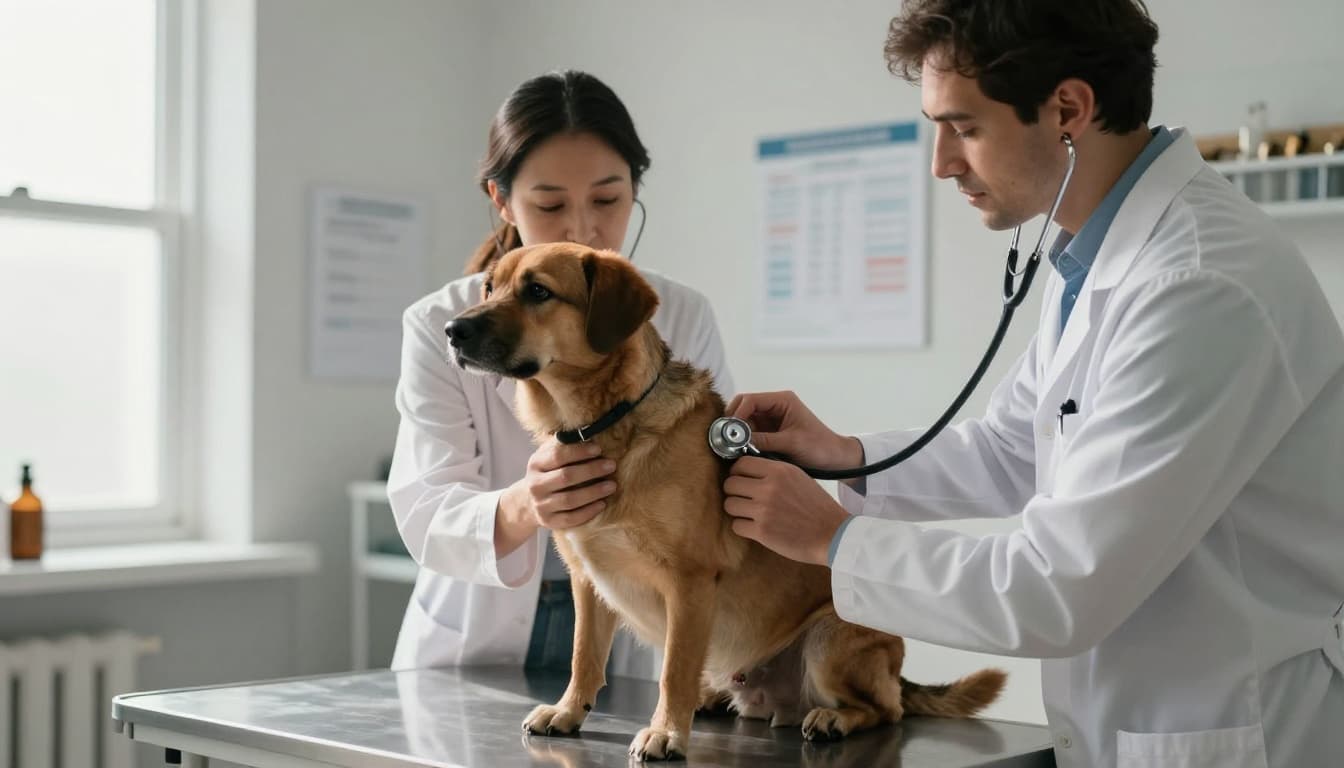
Start with health basics. A full vet checkup confirms your pet fits travel. Vets spot issues like heart problems or anxiety early. They update vaccines too. In 2026, National Pet Travel Safety Day on January 2 stresses these steps. It reminds owners to prioritize safety after holidays.
Test short trips first. Watch for drooling or whining. These signal stress. Feed your pet 3-4 hours before departure. This cuts motion sickness.
Docs matter most. Get a health certificate within 10 days for airlines or interstate trips. States often want one within 30 days. Rabies proof goes everywhere for pets over 3 months. Add a microchip and ID tags with your cell and vet contacts.
Why a Vet Visit and Health Certificate Are Non-Negotiable
Book the vet 1-2 months ahead. They check fitness for travel. Update rabies shots. For planes, use a USDA-accredited vet. They issue the certificate airlines demand.
This form proves no contagious diseases. It lists treatments and tests. Without it, states deny entry. Fines or quarantine follow. Check the USDA pet travel process overview for state rules.
Microchips help recovery. Tags provide quick contacts. In 2026, more lost pets reunite thanks to these.
Build the Perfect Travel Kit to Keep Your Pet Comfortable
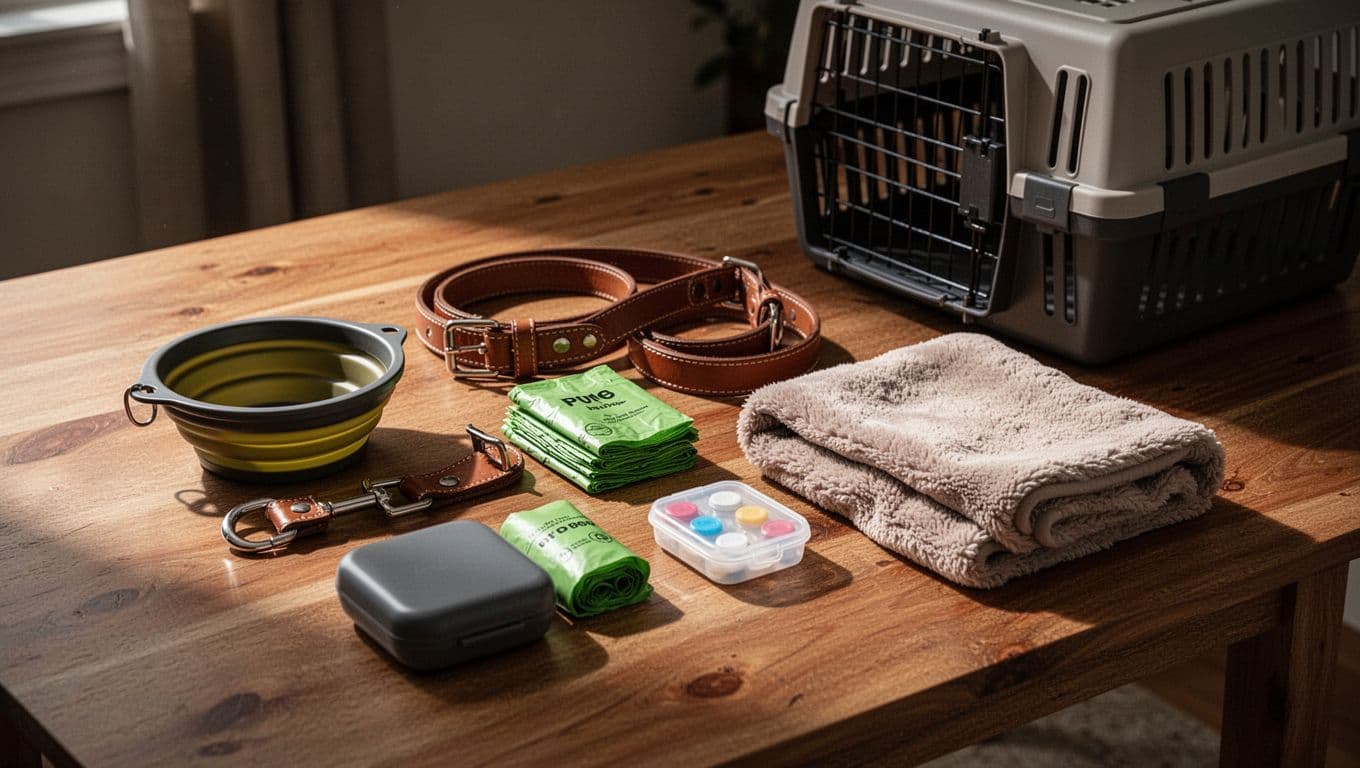
Pack smart. Include familiar food and water bowls. Freeze water in dishes for planes. It melts slow, no spills.
Add leash, waste bags, meds, and first-aid like bandages. Toys and bedding calm nerves. These smell like home.
A kit prevents tummy upset from new water. It keeps essentials handy. Test the kit on practice runs.
Master Car Travel Safety to Prevent Accidents and Stress
Road trips suit most pets. Secure them right to avoid crashes. Use hard-sided crates with vents. Make sure they allow standing and turning. Strap crates tight so they don’t slide.
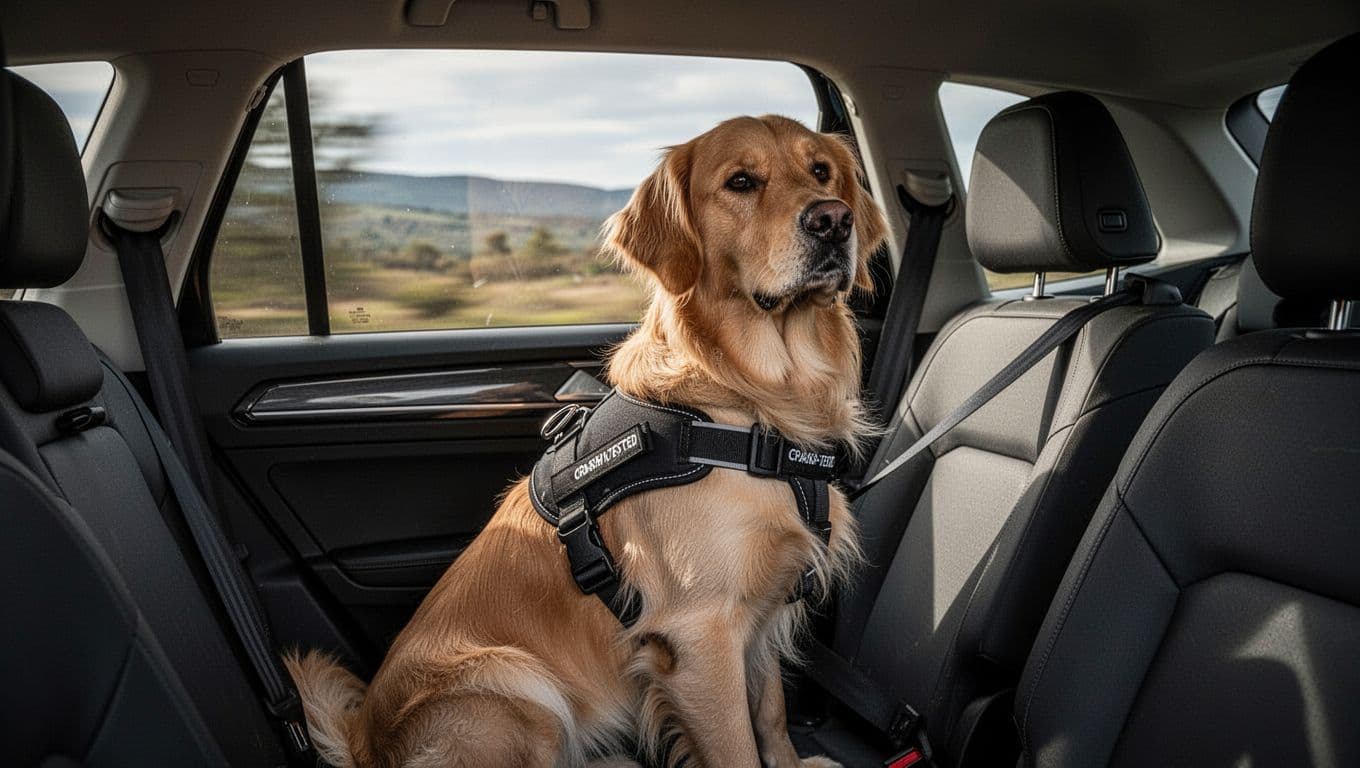
Or pick seatbelt harnesses for dogs. Place in the back seat only. Airbags harm front passengers. Cats stay crated always. Never let heads hang out windows. Debris causes eye damage.
Skip leaving pets alone in cars. Heatstroke hits fast, even in mild weather. Theft risks rise too.
Pick the Best Restraints for Your Dog or Cat
Compare options. Crates protect fully in wrecks. Harnesses work for bigger dogs.
Top picks include Sleepypod Clickit Sport. It passed Center for Pet Safety tests up to 90 pounds. EzyDog Drive and Kurgo Impact shine too. See best crash-tested dog harness reviews for fits.
Measure chest and weight first. Back seat keeps all safe.
Handle Rest Stops Without Losing Your Pet
Leash up at every stop. Skip off-leash areas. Parks tempt escapes.
Check for stress signs like panting. Offer water and shade. Quick walks build routine. Secure spots cut risks.
Navigate Airplane Rules for Smooth In-Cabin or Cargo Trips
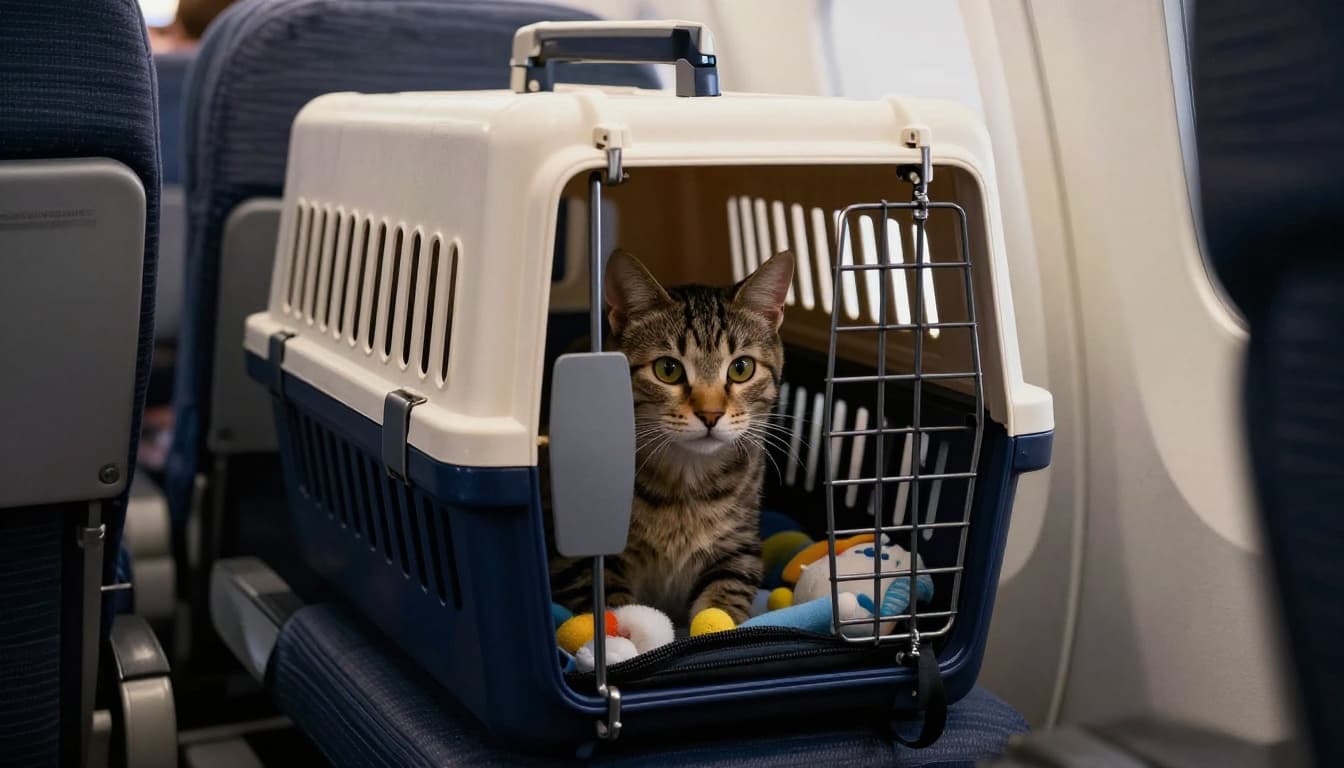
Call airlines early. Delta, United, and American allow small pets in cabins. Fees run $100-200 each way. Carriers fit under seats.
Delta takes dogs, cats, birds. Limits: 4 in main cabin. United charges $150 for cats and dogs. Carrier max 18x11x11 inches soft. American matches at $150.
Cargo suits larger pets. Pick direct flights. Temps stay 45-85F. Short-nosed breeds face bans in heat.
Acclimate weeks ahead. Tape food bags inside. Freeze water dishes.
In-Cabin vs Cargo: Which Is Safer for Your Pet?
In-cabin keeps you close. Pros: monitor stress, no separation. Cons: size limits, noise.
Cargo offers space. Pros: for big pets. Cons: darker, colder. Acclimate with short crate times. Vets say in-cabin safer for most.
Key Airline Policies and 2026 Updates to Know
Book pet spots with tickets. Health certs within 10 days. No pro sedation; it risks breathing.
2026 heat bans expand for brachycephalic breeds like pugs. Check United Airlines pet policy details. Confirm direct flights.
Explore Train, Bus, and Other Travel Options Safely
Amtrak allows small dogs and cats under 20 pounds with carrier. Max size 19x14x10.5 inches. Fee $26 on routes under 7 hours. Book early; 5 pets max per train. See Amtrak pet policy guide.
Buses vary. Call Greyhound or locals ahead. Crate rules match cars.
Pet services like Petworks monitor ground or air trips. Use car prep everywhere. Leash and docs stay key.
Gear Up with Proven Pet Travel Essentials That Work
Choose crash-tested items. Sleepypod carriers pass CPS tests for small pets. Ruffland kennels suit mediums.
Harnesses like Kurgo Impact use strong webbing. Spill-proof bowls prevent messes.
| Gear | Why It Works | Best For |
|---|---|---|
| Sleepypod Clickit Harness | CPS certified, padded fit | Dogs 18-90 lbs |
| Airline Crate | Vented, under-seat size | Cabin cats/dogs |
| Frozen Water Dish | Slow melt, no spills | Planes/cars |
| Ruffland Kennel | Crash sturdy, lockable | Road trips |
These cut injury risks. 2026 tests back them.
Prep, secure restraints, and docs make trips smooth. In 2026, better hydration and harness rules save lives.
Plan your next adventure now. Consult your vet. Share your pet travel stories in comments. Stronger bonds await when you travel safely with your pet.