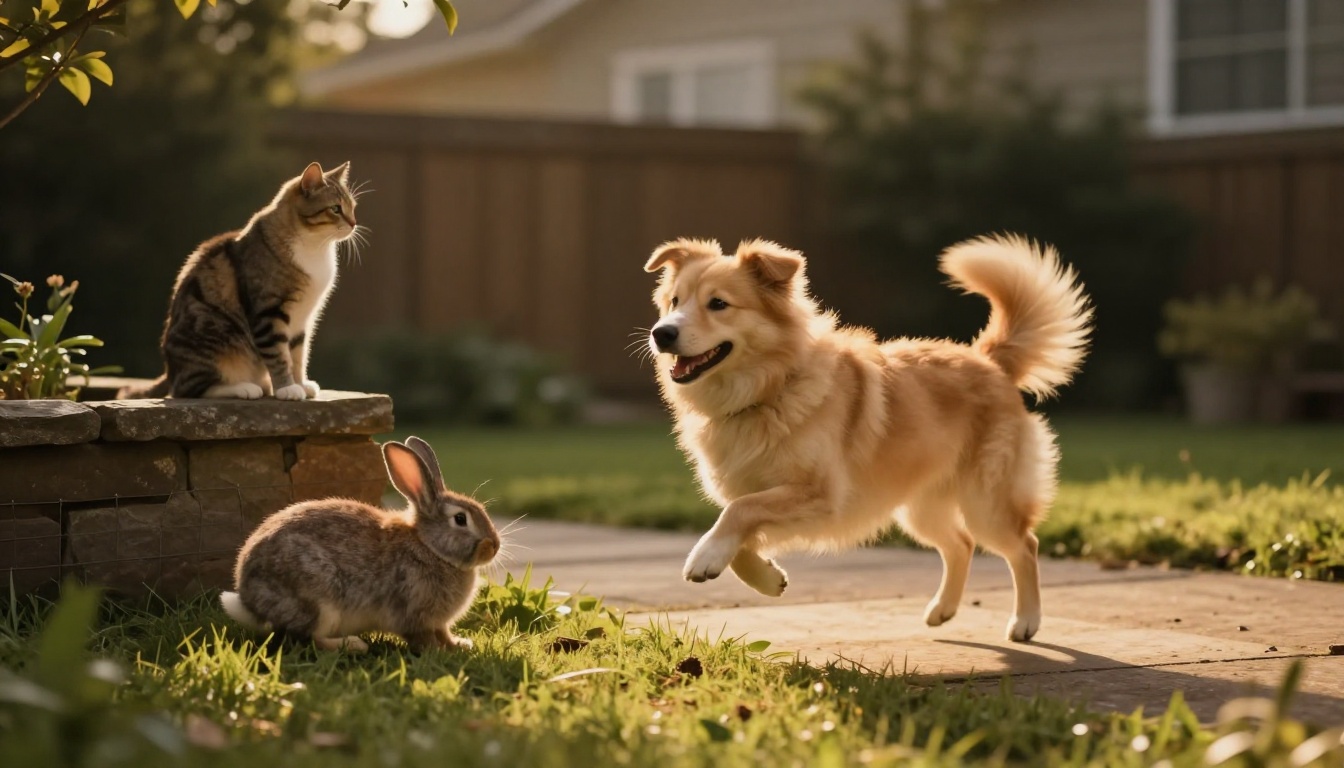
Picture this. Your couch-potato pup, Max, spends days napping and begging for treats. Then you add two short walks a day. Suddenly, he bounds around with a wagging tail, eyes bright and full of life. That simple change turned a bored dog into a happy one.
Pets thrive on the right amount of movement. It keeps their hearts strong, muscles toned, and weight in check. Plus, it boosts their mood and deepens your bond. Too little leads to boredom or health issues. Too much causes strain. According to 2026 AKC and vet guidelines, needs differ by species, size, age, and energy level.
This post breaks it down for dogs, cats, rabbits, and more. You’ll learn exact times, fun activities, and signs to watch. Dogs might need 30 minutes to two hours. Cats chase toys for 15 to 30 minutes. Small pets hop or swim in setups that fit their world. Ready to match exercise to your pet’s needs?
Dogs: Break Down Their Perfect Daily Workout by Size, Age, and Breed
Dogs love routine movement. It burns energy and sharpens minds. The AKC stresses tailoring it to your dog’s build and life stage. Most need 30 minutes to two hours split into walks, play, or swims. Always mix physical and mental tasks. For details, check the AKC’s guide to daily dog exercise.
Size matters first. Small dogs tire quick but stay playful. Medium ones handle steady paces. Giants prefer low-impact to save joints.
Here’s a quick view of daily needs by size:
| Size | Daily Time | Best Activities |
|---|---|---|
| Small (Pugs) | 20-30 minutes | Short walks, indoor fetch |
| Medium (Beagles) | 45-60 minutes | Walks, frisbee, training |
| Large/Giant (Labs) | 60-90 minutes | Swimming, hikes, slow jogs |
Age changes everything. Puppies play in bursts to protect growing bones. Adults push harder. Seniors ease up.
Breeds vary too. High-energy types demand adventure. Labs need an hour of fetch or swims. Bulldogs settle for gentle strolls.
Consult your vet. They factor in health history.
Tailoring Walks and Play for Small vs. Giant Dogs
Small breeds like Chihuahuas need quick outings. A 20-minute sniff walk works fine. They overheat easy, so skip long runs. Yorkshire Terriers shine with indoor games like toy chases.
Giant dogs such as Great Danes take steady paces. Aim for 45 to 60 minutes of leashed walks. Swimming eases joint stress. Labs love dog park splashes, but watch for rough play.
Protect hips and knees. Use soft paths. In contrast, small dogs handle stairs well for bursts of fun.
Puppy Playtime Rules to Avoid Growing Pains
Puppies grow fast. Overdo it, and joints suffer. For 8 to 16-week-olds, limit walks to 50 to 200 feet. Do 15 to 20-minute play sessions on grass.
By 4 to 12 months, stretch to 45 minutes total. Stick to soft ground. No jumps or hard runs yet. Growth plates close later in big breeds, around 16 to 18 months.
Free play counts. Teach sits or sniff games. Your vet can X-ray for clearance.
High-Energy Breeds That Demand Adventure Daily
Some dogs never quit. Border Collies and Huskies crave 1 to 2 hours of runs or agility. German Shepherds join hikes or fetch marathons.
Moderate breeds like Beagles take 45 to 90 minutes. A good tug or park romp satisfies them. Low-energy Shih Tzus or Bulldogs need 20 to 40 minutes of easy strolls.
Vary it. Add puzzles or obedience drills. This keeps minds busy too.

Cats, Rabbits, and Small Pets: Their Sneaky Exercise Secrets Revealed
Not all pets trot on leashes. Cats pounce. Rabbits hop. Birds flap. Match their wild instincts for health. Vets in 2026 push short, fun sessions over long slogs. Indoor cats need 15 to 30 minutes of chase play. Rabbits roam free for hours.
Mental tricks count big. Puzzle feeders or climbs prevent boredom and fat gain. Check species rules. A big tank lets fish swim freely.
Fun fact: Laser pointers turn lazy cats into hunters.
Get Your Indoor Cat Chasing Like a Jungle Hunter
Indoor cats sleep a lot. But they need action. Do three 5-minute sessions with wands or balls. Total 15 to 20 minutes twice daily.
Add shelves or trees for climbs. It builds muscle and cuts stress. Rotate toys. Seniors get gentler play; see vets every six months.
Weight drops. Mood lifts. Your cat thanks you with purrs.
Rabbits and Hamsters: Space and Wheels for Happy Hops
Rabbits binkie when happy. Give 4 to 6 hours of roam time in a safe room. Add tunnels or dig boxes. They hop naturally then.
Hamsters wheel at night. Offer a big one to run 5 to 10 miles. Tunnels and chews fill days. Supervise play to avoid mishaps.
Both need space over speed. Obesity hits fast without it. Clean habitats help too.
Birds and Fish: Flight and Swim Setups That Work
Birds like parakeets fly daily. Aim for 1 to 2 hours out of cage. They climb, forage, and flap. For more on parakeet needs, see this exercise guide for birds.
Fish swim constant. Use tanks over 10 gallons per inch of fish. Strong filters create currents. Plants spur movement.
Safe rooms matter for birds. Right size keeps fish active without stress.
Spot the Signs: Is Your Pet Getting Too Little or Too Much Exercise?
Watch your pet close. Clues show if routine fits.
Too little hits hard. Dogs chew furniture or zoom indoors. Cats overgroom or ignore toys. Weight creeps up. Lethargy sets in.
Too much warns quick. Limping follows play. Heavy pants linger. They skip fetch. Puppies whine from growing pains.
Adjust by watching post-exercise. Does energy crash happy, or do they beg more? Age and health shift needs.
- Boredom flags: Destructive digs, meows at night.
- Overdo signals: Refusal to move, hot spots from licks.
- Goldilocks zone: Sleepy but alert, steady weight.
See a vet for limps or changes. Track a week to fine-tune.
Simple Daily Routines to Hit Your Pet’s Exercise Sweet Spot
Start easy. Morning walks wake everyone. Evening fetch winds down.
Split sessions. Dogs get 20 minutes am, 40 pm. Cats chase before meals. Involve kids for family fun.
Bad weather? Indoor zoomies or treadmills work. Apps track steps.
Make it breed-smart. Huskies run trails. Cats get vertical mazes.
Try this sample for a medium adult dog:
- 7 am: 20-minute walk.
- Noon: Puzzle toy.
- 6 pm: 30-minute play.
Consistency builds habits. Your pet stays fit and chill.
Keep Your Pet Moving Right
Dogs need 20 minutes to two hours based on size and breed. Cats thrive on 15 to 30 minutes of hunts. Rabbits roam hours. Hamsters wheel nightly. Birds fly free. Fish demand swim space.
Pick one tip today. Chart exercise for a week. Note changes in energy or mood.
Tailor to your pet’s age and health. Chat with your vet for custom plans. AKC and 2026 vet sources back these baselines.
Your furry pal will repay you. Expect tail wags, purrs, and pure joy. Start now.