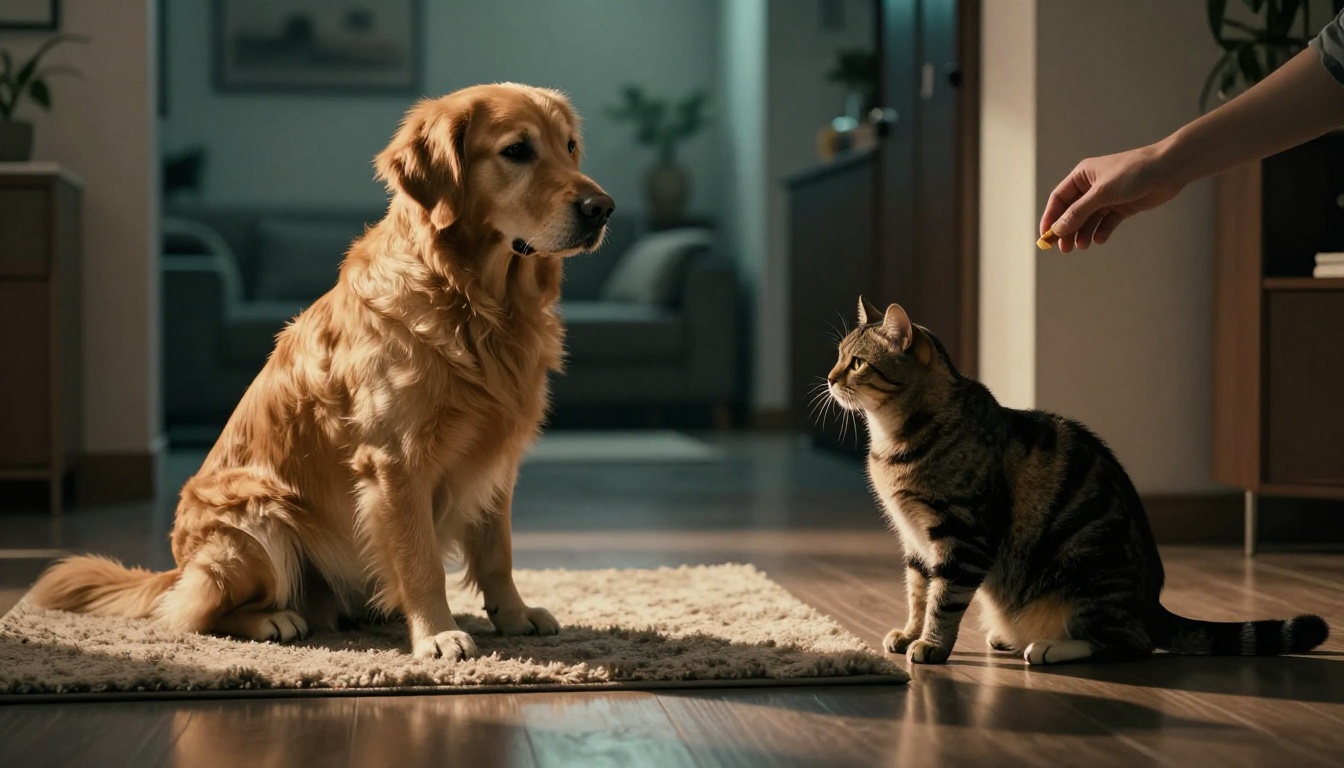
Picture this: Sarah comes home exhausted. Her dog, Max, jumps wildly at the door. Treats scatter everywhere. Her cat, Whiskers, ignores calls and scratches the couch. Sarah feels defeated. Then she tries positive reinforcement. Within weeks, Max sits calmly. Whiskers comes running for treats. Life changes.
You know the chaos. Pets bring joy, but bad habits strain the bond. Training fixes that. It boosts safety, cuts stress, and adds fun. In 2026, experts from vets to pet groups agree: positive reinforcement leads the way. Rewards build trust fast. No scolds needed.
This post shares simple pet training techniques. You’ll learn basics, core commands for dogs and cats, fixes for common issues, and daily habits. Grab treats now. Start today. Your pet will thank you with tail wags and purrs.
Start with Positive Reinforcement to Make Training Fun and Effective
Positive reinforcement rewards good behavior right away. Use treats, praise, toys, or play. Pets repeat what gets them goodies. This builds trust. It lowers stress too.
Old methods like yelling fail. They confuse pets. Fear grows instead. Positive ways work better for dogs and cats. Short home sessions shine. Research shows skills stick longer with rewards.
Clicker training tops lists in 2026. The click marks the exact good moment. Follow with a treat. Pets link the sound to success. Vets recommend it for all ages and breeds. For details on clicker basics, check Best Friends Animal Society’s guide to clicker training pets.
Timing matters most. Reward within two seconds. Use high-value treats like chicken bits. Sessions stay short, five to ten minutes. Pets stay eager. Anxiety drops because they predict joy.
Dogs perk up quick. Cats need patience but respond well. Always check mood first. Skip if stressed. Break skills into tiny steps. Pros say this cuts training time.
How to Charge Your Clicker and Get Your Pet Excited
Sit in a quiet spot. Click the clicker. Give a treat right away. Repeat ten to twenty times fast. Do this over a few days.
Your pet perks up at the click alone. They expect rewards now. For cats, add wand toys after clicks. Keep cat sessions shorter, three to five minutes.
Benefits pile up. Precise feedback speeds learning. Pets get excited without force.
Everyday Rewards That Keep Sessions Short and Sweet
Pick what your pet loves. Small treats work best. Praise like “good boy” adds warmth. Play tug for energetic pups.
Try these options:
- Chicken or cheese bits for food fans.
- Quick petting strokes.
- Feather wand chases for cats.
Do one to three sessions daily. Five to ten minutes each. Personalize rewards. Results improve fast.
Teach Core Commands Like Sit, Stay, and Come with Step-by-Step Guides
Core commands build reliability. Start simple. Practice daily during meals or walks. Use the same words every time. Consistency pays off.
For dogs, lure with treats. Hold above nose for sit. Guide down for lie down. Step back for stay. Reward holds.
Cats learn shorter lures. Use treats or wands. Target sticks help too. Sessions last three to five minutes.
Incorporate into life. Say “sit” before dinner. “Come” in the yard. Fun tricks like spin follow basics. A step-by-step guide to basic dog commands offers more home tips.
Numbered steps keep it clear. Practice five to ten minutes daily. Build amid distractions later. 2026 AI apps review videos. They spot form issues.
Dog Commands That Build Reliability Around Distractions
Focus on recall first. Call “come” in a quiet room. Big reward waits. Add distance. Move to yard.
Stay: From sit, say it. Step back one foot. Reward hold. Build to longer times.
Heel: Reward loose leash. Stop if tight. Progress to walks.
Quiet room to park. Rewards grow bigger near distractions.
Cat-Friendly Twists on the Same Commands
Use target stick for sit. Touch nose to it. Reward.
Come: Call softly. Shake treats. Reward approach.
Sessions short. Reward curiosity. No force. Cats thrive on play.
Overcome Common Pet Training Hurdles Like Jumping and Pulling
Top issues hit every owner. Leash pulling tires walks. Jumping greets guests wrong. Barking disrupts peace.
Fix one at a time. Short positive sessions help. Track weekly wins in a journal. Bark Busters’ 2026 National Dog Behavior Analysis lists reactivity and barking as leaders.
Build bond through play. No yelling. AI tools now read body language for stress cues.
Use this table for quick fixes:
| Challenge | Fix Strategy |
|---|---|
| Leash pulling | Stop walking until loose. Reward slack. Use harness. |
| Jumping up | Turn away. Reward four paws down. |
| Barking | Teach quiet cue. Reward silence. |
| Distractions | Start quiet. Add slowly. High rewards. |
| Shy fear | Gentle exposure. Pair with treats. |
One issue weekly. Progress shows in two to four weeks.
Quick Fixes for Leash Pullers and Door Jumpers
Pulling: Plant feet. Wait for slack. Then go. Praise forward steps.
Jumping: Ignore fully. Reward calm sits. Guests toss treats low.
Consistency wins. Everyone joins in.
Handling Distractions and Shy Pets with Patience
Build gradual. Quiet first. Add noise or people slow.
High rewards in tough spots. For shy pets, daily gentle meets. Treats pair with new things.
Patience speeds change.
Daily Habits and Tools for Training That Lasts a Lifetime
Short sessions fit busy days. Five to fifteen minutes. Mix into routines like walks.
Personalize to energy. Puzzle toys reward ends. Comfy harnesses help.
Track progress. Weekly goals like better recall. Journal or apps work.
Praise and play strengthen bonds. Add monthly tricks for fun.
Consistency creates reliable pets. They focus amid chaos. For cat clicker ideas, see Purina’s easy guide to cat clicker training.
Relationships grow. Pets join family outings safe.
Positive reinforcement changes everything. Core commands like sit and come build safety. Hurdle fixes handle pulling or jumping. Daily habits lock it in.
Imagine your pet calm at doors. Reliable on walks. That bond awaits.
Pick one command today. Practice five minutes. Share your wins in comments. Grab a clicker and treats. Your home stays happier.