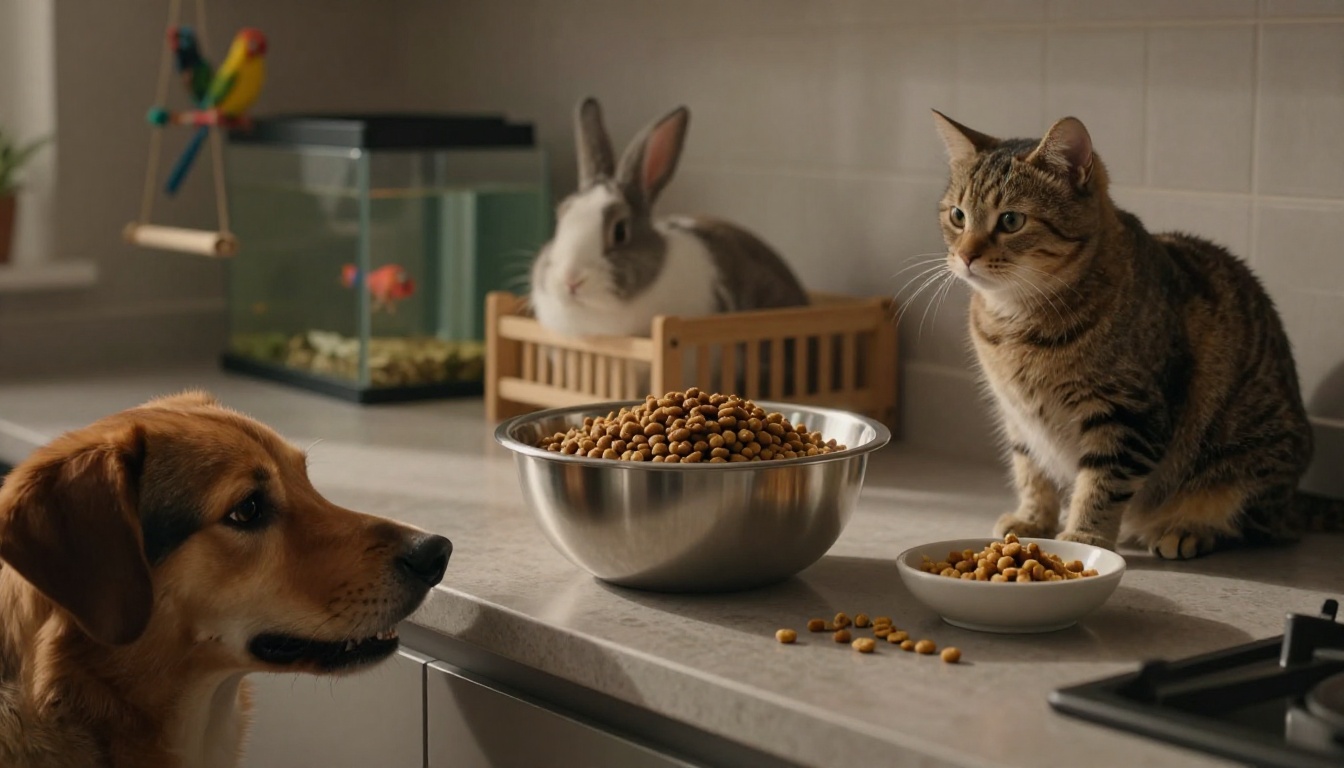
Your dog paces by the door at 5 p.m. sharp, whining for dinner. Or maybe your cat packs on pounds despite a full bowl. These scenes hit home for many pet owners. Feeding frequency shapes your pet’s health, energy, and mood. Get it wrong, and you risk obesity, tummy troubles, or endless begging.
Proper schedules match your pet’s needs. They prevent weight gain and keep digestion smooth. Recent vet guidelines from WSAVA and AVMA stress this point. Puppies need more meals than adults. Active dogs eat differently from couch potatoes. We’ll cover dogs, cats, rabbits, fish, birds, and small mammals.
You will find simple plans based on 2026 updates. Factors like age and food type matter most. Plus, spot signs of trouble and build routines that stick. Let’s break it down.
What Really Determines How Often to Feed Your Pet
Age tops the list for feeding choices. Puppies and kittens grow fast. They burn energy quick. Adults settle into fewer meals. Seniors slow down, so they eat less often.
Size plays a role too. Small pets digest small bites fast. Large ones handle bigger loads. Activity level shifts calories. A runner dog needs splits to fuel runs. A lazy one gets steady portions.
Health conditions demand tweaks. Diabetes calls for even spacing. Obesity means measured helpings. Food type alters the count. Dry kibble stacks easy. Wet food adds water. Raw diets split careful shares.
WSAVA’s 2025-2026 updates highlight body condition scores. Aim for 4-5 out of 9. Feel ribs with light fat cover. Weigh your pet monthly. Call your vet for custom advice. These steps match FEDIAF calorie guides.
Age and Life Stage Make the Biggest Difference
Puppies under 12 months need 3-4 meals a day. Dogs grow until then. Kittens hit 4-6 feedings. Their tiny stomachs fill quick.
Adults shift down. Dogs do well on 1-2 meals. Cats stick to 2-3. Seniors over 7 years for dogs or 11 for cats drop to 1-2. They need fewer calories overall.
Baby rabbits or guinea pigs follow suit. Juveniles get extras for growth spurts. Always check labels. Vet input prevents overloads.
Size, Activity, and Health Tweaks
Small dogs under 20 pounds take 1/2 to 1 cup dry food daily. Split it twice. Large ones over 50 pounds hit 2-4 cups in two meals.
Active pets add 20-30% calories. Split them to sustain energy. Spayed or neutered dogs cut 20%. Kidney issues in cats mean wet food twice daily.
Sedentary cats get controlled shares. High-energy birds match play levels. Adjust based on monthly weighs.
Dry vs Wet vs Raw Food Changes the Math
Dry kibble measures precise. Split 1-2 cups over meals. Wet food packs volume. One can equals a cup of dry. Cats graze on measured dry if slim.
Raw diets use 2-3% of body weight. Split portions. Vets warn of bacteria risks, so get approval first. For details on raw feeding risks for cats. Stick to trusted sources.
Daily Feeding Plans for Dogs, Cats, Rabbits, and Other Pets
Match plans to your pet type. Use 2026 AVMA and WSAVA tools. Dogs average 1000-1500 kcal for 50 pounds. Cats hit 200-300 kcal per 10 pounds. Portion per labels. Fresh water stays key.
Rabbits thrive on unlimited hay. Pellets limit to 1/4 cup per 6 pounds, twice daily. Fish eat what they finish in 2-3 minutes, once or twice. Birds get 1-2 teaspoons seeds plus fresh bits daily.
Small mammals vary. Hamsters take 1-2 tablespoons nightly. Guinea pigs need hay free, 1/8 cup pellets per 4 pounds, and vitamin C veggies twice.
Here’s a quick reference table from vet standards:
| Pet Type | Puppies/Kittens | Adults | Seniors | Key Notes |
|---|---|---|---|---|
| Dogs | 3-4 meals | 1-2 meals | 1-2 meals | 2-3% body weight daily |
| Cats | 4-6 meals | 2-3 meals | 2 meals | Graze if not overweight |
| Rabbits | Unlimited hay | Unlimited hay | Unlimited hay | Pellets 2x, veggies daily |
| Fish | N/A | 1-2x daily | N/A | Feed what eaten in 2 min |
| Birds | Frequent small | Daily fresh | Daily fresh | Seeds + fruits/veggies |
| Guinea Pigs | Unlimited hay | Unlimited hay | Unlimited hay | Pellets + vit C 2x |
Follow food package guides. Tweak with vet checks.
Dogs: From Puppy Meals to Senior Bites
Puppies eat 3-4 times daily. Higher calories fuel growth. Drop to twice by six months. Adults stay at 1-2 meals. Base on 2-3% body weight.
Seniors get joint foods in 1-2 servings. Less calories overall. For vet-backed times, check recommended feeding schedules.

Cats: Grazing Habits and Measured Meals
Kittens need frequent small bites, 4-6 daily. Or free-feed monitored amounts. Adults do 2-3 meals. Indoor ones eat less than outdoor hunters.
Seniors shift to high-fiber wet food twice. Boosts hydration. See cat feeding guides for routines.
Rabbits, Fish, Birds, and Small Critters
Rabbits munch hay always. Add pellets twice. Fish get tiny feeds 1-2 times. Birds mix seeds daily with veggies.
Hamsters eat big once at night plus treats. Guinea pigs hay free, pellets once, veggies twice for vitamin C.

Spot the Signs: Are You Overfeeding or Underfeeding Your Pet?
Overfed pets gain weight fast. You can’t feel ribs easy. Lethargy sets in. Round bellies signal trouble. Diabetes risks climb. Rabbits show fat rolls.
Underfed ones look thin. Ribs and hips poke out. Coats dull. They beg constant or lag in energy. Fish gasp at surfaces.
Use body condition score charts. Ideal hits 4-5/9. WSAVA tools help. Apps track meals. For scoring tips, view body condition guides.
Vet plans cut obesity by half.

Red Flags for Too Much Food
Dogs and cats beg less but fatten. Birds drop excess waste. Tanks cloud from fish overfeeds. Adjust down slow.
Clues Your Pet Needs More Meals or Calories
Weakness or thin frames yell hunger. Low energy follows. Bump calories for active days. Vet checks confirm.
Easy Ways to Build the Perfect Feeding Routine
Measure portions exact. Ditch eyeball guesses. Life-stage foods fit best. Seniors love high protein.
Apps log weights and meals. Puzzle toys slow eaters. Set times like 7 a.m. and 6 p.m. Walk before breakfast.
Raw works with vet ok. Trends favor slow feeders. Consistency builds habits. Change for health shifts only.
Talk to your vet now. They craft perfect plans.
Your pet’s begging or belly woes end with right feeds. Tailor by age, type, and signs. Feel those ribs today. Ideal body scores keep energy high.
Share your routine in comments. Pin this for quick checks. Book a vet visit. Your furry friend thanks you with a healthier, happier life.