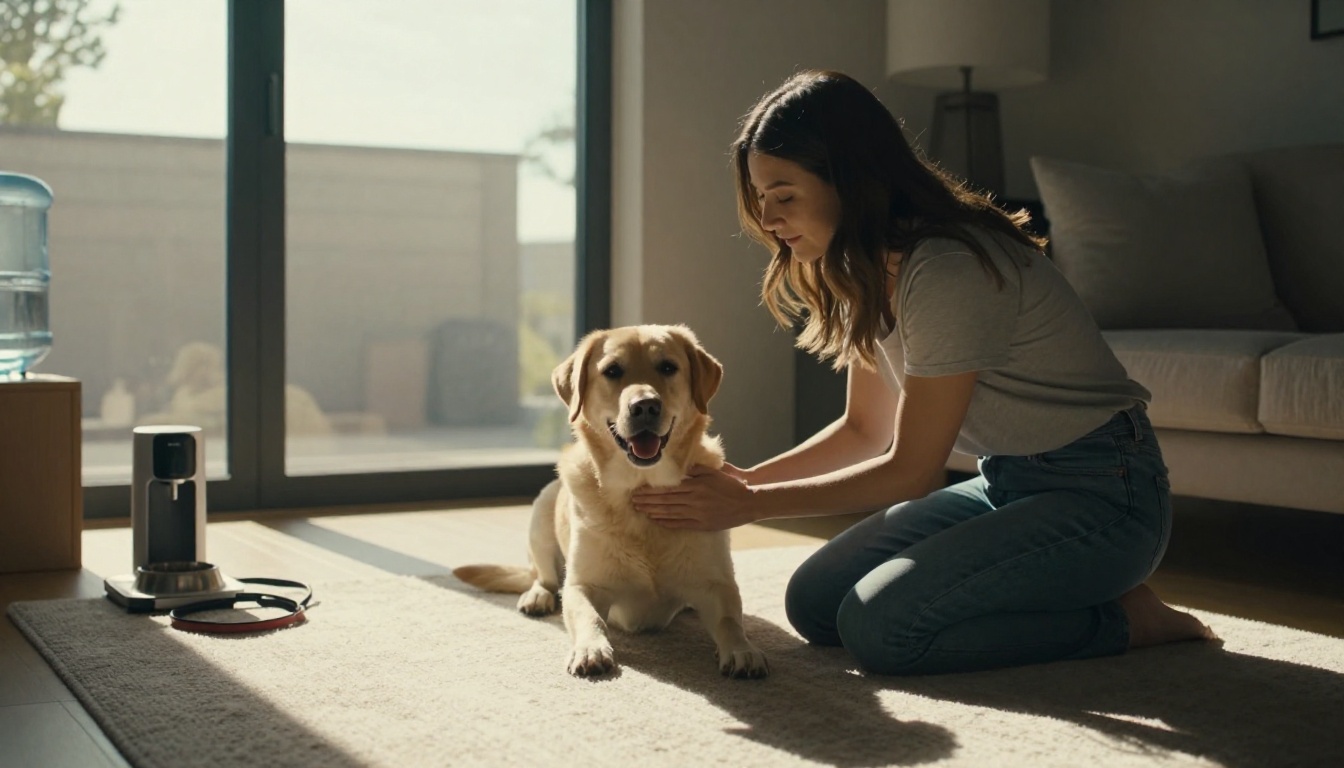
Picture this. Sarah comes home exhausted after work. Her young lab mix, Max, bounces off the walls, knocks over trash, and whines nonstop. She feels guilty because days blur into chaos. Then she sets a simple routine. Mornings start with walks. Meals happen at set times. Play wraps up evenings. Max calms down. His coat shines. Energy stays steady. Sarah sleeps better too.
A daily care routine changes everything for your pet. It cuts stress because pets crave predictability. Health improves since habits spot issues early, like weight gain or limp paws. Obesity affects over half of US dogs and cats in 2026, but routines fight it with portion control and play. Your bond grows stronger through consistent time together. No more forgotten water bowls or skipped brushes.
This post shows you how. First, assess your pet’s needs by species, age, and life. Next, add core habits like feeding and grooming. Then, build a full schedule with samples. Finally, learn to stick with it. You’ll end up with a happier pet and less hassle. Let’s get started.
Figure Out What Your Pet Really Needs
Every pet differs. Dogs chase balls. Cats nap high up. Birds chirp for attention. Fish glide in tanks. Start here to tailor a routine that fits. Watch your pet for a week. Note energy peaks, potty habits, and moods. Consult your vet for baselines, especially in 2026 with trends toward preventive checks.
Factors matter. Age plays a role. Puppies need frequent meals. Seniors want gentler walks. Health conditions demand tweaks, like low-sodium food for kidney issues. Your lifestyle counts too. Apartment dwellers focus on indoor play. Yard owners add fetch time. Weight management helps all, since routines prevent the 50% obesity rate in pets.
Always chat with your vet first. They offer personalized plans based on breed and history. For example, Haw Creek Animal Hospital’s 2026 pet wellness guide stresses yearly blood tests and dental scans.
Match Care to Dogs, Cats, Birds, and Fish
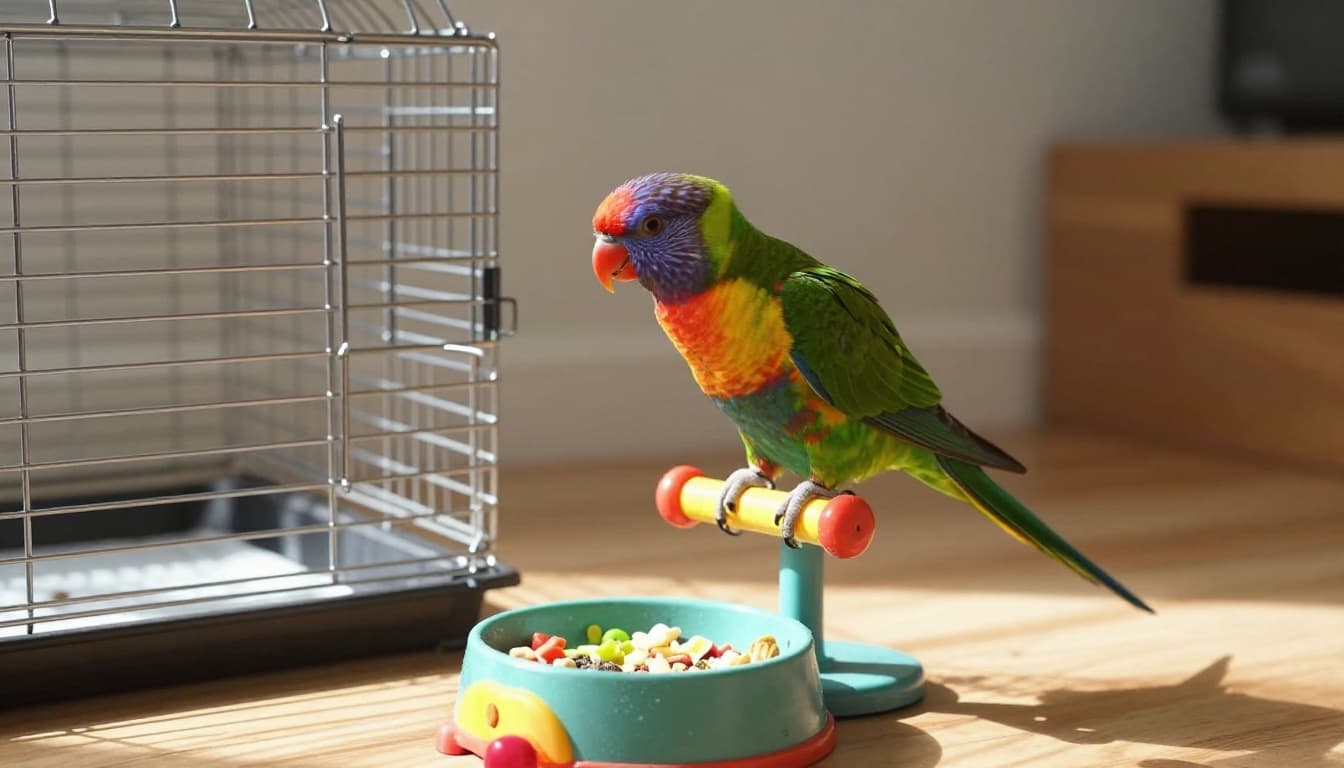
Vets update guidelines yearly. In 2026, they push species-specific basics. Dogs thrive on potty walks twice daily, at least 30 minutes of exercise, and timed meals. Cats need play hunts, daily litter scoops, and brushing to cut hairballs. Birds require fresh water and food swaps plus social chats. Fish demand quick feeding checks and water tests.
Treats stay under 10% of calories for everyone. Overdo it, and obesity hits fast. Dogs get kibble measured by weight. Cats prefer puzzle feeders. Birds forage seeds. Fish eat what vanishes in two minutes.
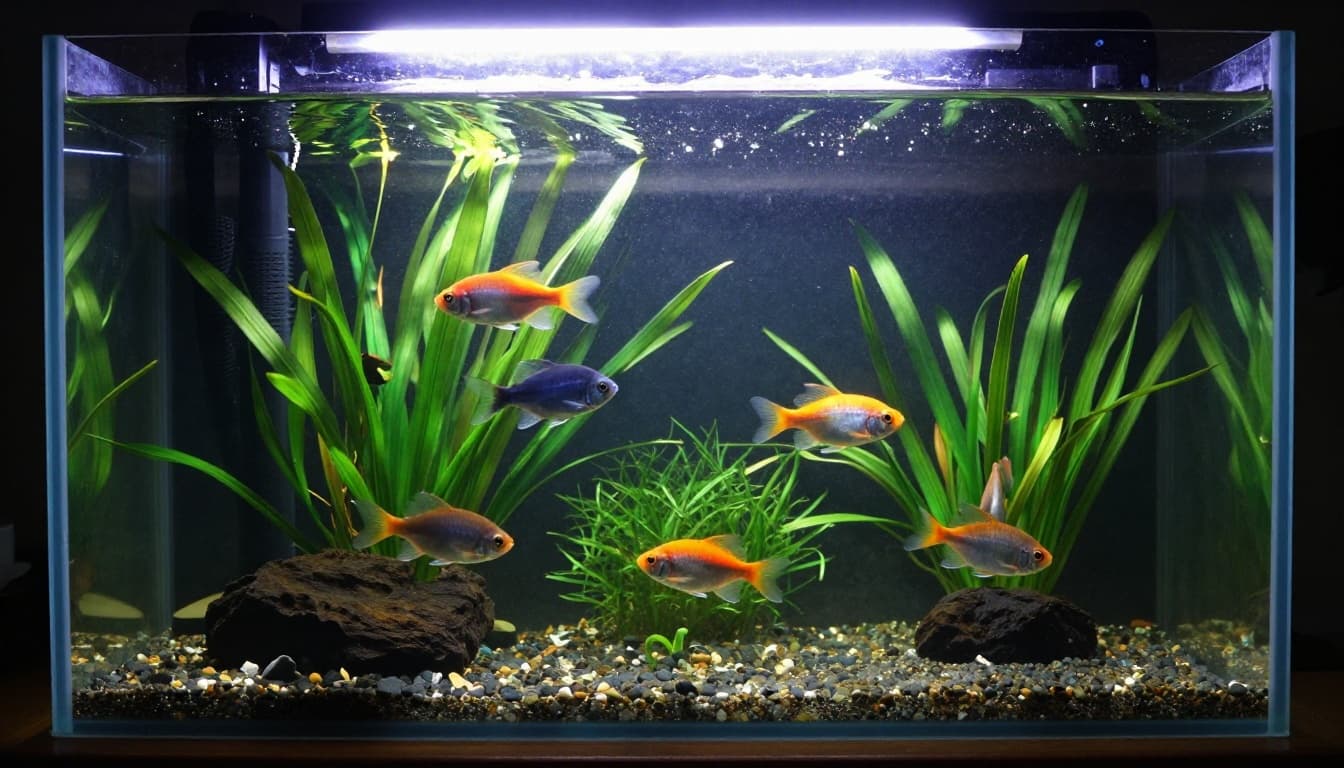
A clean tank keeps fish active. Plants and filters mimic streams.
These steps build from natural behaviors. Therefore, your pet stays engaged.
Adjust for Age, Health, and Your Daily Life
Puppies and kittens demand more. They eat three to four times daily. Play fills their hours. Adults settle into steady patterns. Seniors shift to monitoring. Biannual vet visits catch thyroid or joint woes. Gentler exercises prevent strains.
Health tweaks matter. Obese pets need calorie cuts. Dental routines like daily chews fight plaque. Parasite preventives go monthly.
Fit it to your day. Work from home? Add midday checks. Commuters use timers. In short, sustainability wins. Your routine lasts because it matches life.
Build in These Core Daily Care Habits
Core habits form the backbone. Feed at set times for digestion. Offer fresh water always. Exercise burns energy. Groom spots lumps early. Hygiene keeps spaces clean. Mental games fight boredom.
Benefits stack up. Steady meals steady energy. Play builds muscle and cuts fat. Brushes reveal skin issues. In 2026, vets note routines extend life by two years for many pets. Start small. Add one habit weekly.
Feed Smart to Keep Energy Steady
Portion control rules. Vets recommend measuring food by body weight. Adults get two meals. Puppies need three or four. Choose quality kibble with animal proteins. Seniors pick joint formulas.
Same times daily aid digestion. Free-feeding leads to overeat. Limit treats to 10% calories. Fresh water refills often. Stagnant bowls breed germs.
Overfeeding causes obesity epidemics. Track weight monthly. Adjust as needed. For dog tips, check Loyal Saints Pets’ 2026 nutrition guide.
Move and Play to Burn Off Energy
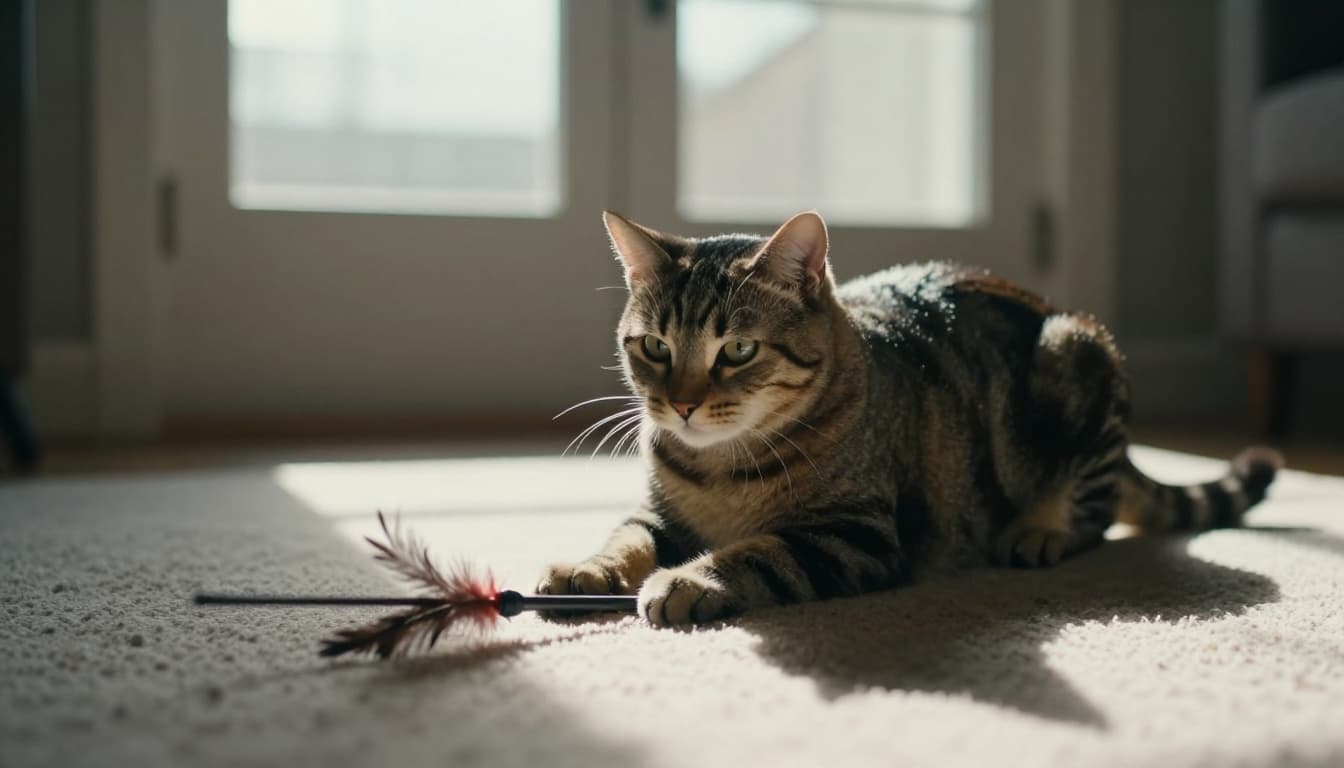
Exercise mimics wild days. Dogs need 30 to 60 minutes of walks or fetch. Change routes for fun. Cats want three to four five-minute bursts with wand toys or climbs.
Birds fly out-of-cage one to two hours. Fish swim in current-rich tanks.

Play before meals builds appetite. It also strengthens bonds.
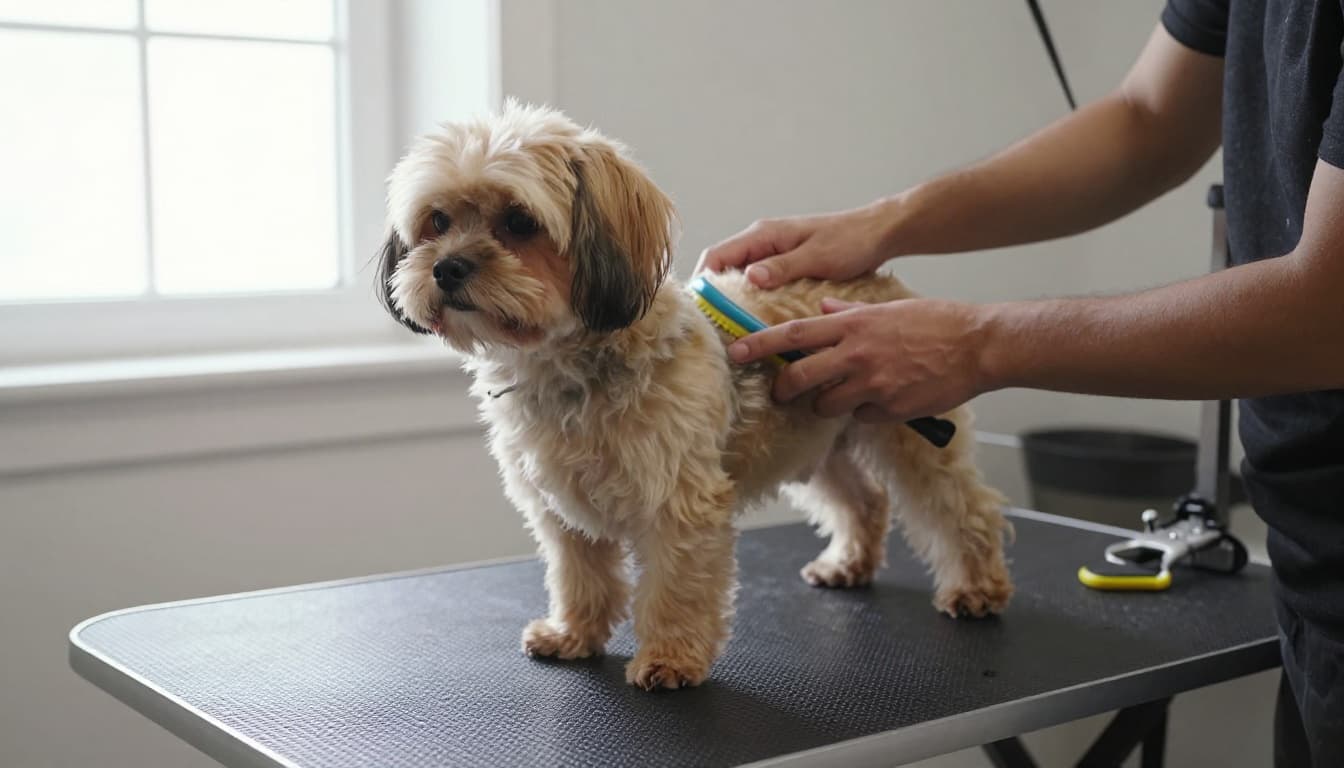
Groom and Clean for Shiny Health
Brush coats daily if long-haired. Short coats get weekly passes. Teeth clean two to three times weekly with pet paste. Scoop litter daily. Check nails monthly.
Bathe by breed needs. Water dogs sparingly. Dry groom cats.
Grooming detects lumps or ticks early. Clean habits prevent infections.
Add Brain Games and Cuddle Time
Bored pets chew furniture. Puzzle toys dispense kibble. Training sessions teach sits or shakes. Cuddles build trust.
Ten minutes daily suffices. Rotate toys for novelty. Interaction calms anxiety.
Put Together an Easy-to-Follow Schedule
Map your day around pet needs. Wake-up hits potty and breakfast. Midday offers water checks. Evenings wind down with dinner and play. Consistency syncs their internal clock.
Busy homes add family shares. Multi-pet setups stagger feeds. For ideas, see ManyPets’ daily pet-parent schedule.
Sample Routines That Fit Real Life
Busy Dog Owner: 6 AM walk and feed. Noon 15-minute fetch via app sitter. 6 PM dinner, 30-minute stroll. Bed at 10 PM after chew.
Indoor Cat Family: Dawn play and wet food. Scoop litter post-breakfast. Evening laser chase before meal. Night brush session.
Birds get morning food swaps and afternoon out-time. Fish feed at dawn and dusk with parameter tests. Tweak for shifts like vacations.
Flexibility keeps it real. Start yours today.
Stay on Track and Tweak as Needed
Apps remind you of tasks. Prep bowls nightly. Involve kids for potty duty.
Pitfalls trip many. Skip walks, and boredom bites. Ignore weight, and health dips. Weekly weigh-ins help. Watch behaviors like less eating.
Vet checkups go annual for adults, twice for seniors. Adjust for seasons. Hot summers shorten walks. New meds change feeds.
Rewards come long-term. Healthier pets mean fewer bills. Stay consistent.
Your pet thanks you with wags and purrs.
Routines transform chaos into calm. Assess needs by species and age. Layer in feeding, play, grooming, and fun. Schedule it all with samples. Monitor and adjust often.
Health perks follow. Less obesity. Stronger joints. Calmer minds. Start with one change today, like set meal times. Chat with your vet for tweaks. Share your routine in comments below. Join fellow owners with thriving pets. Your buddy deserves this.