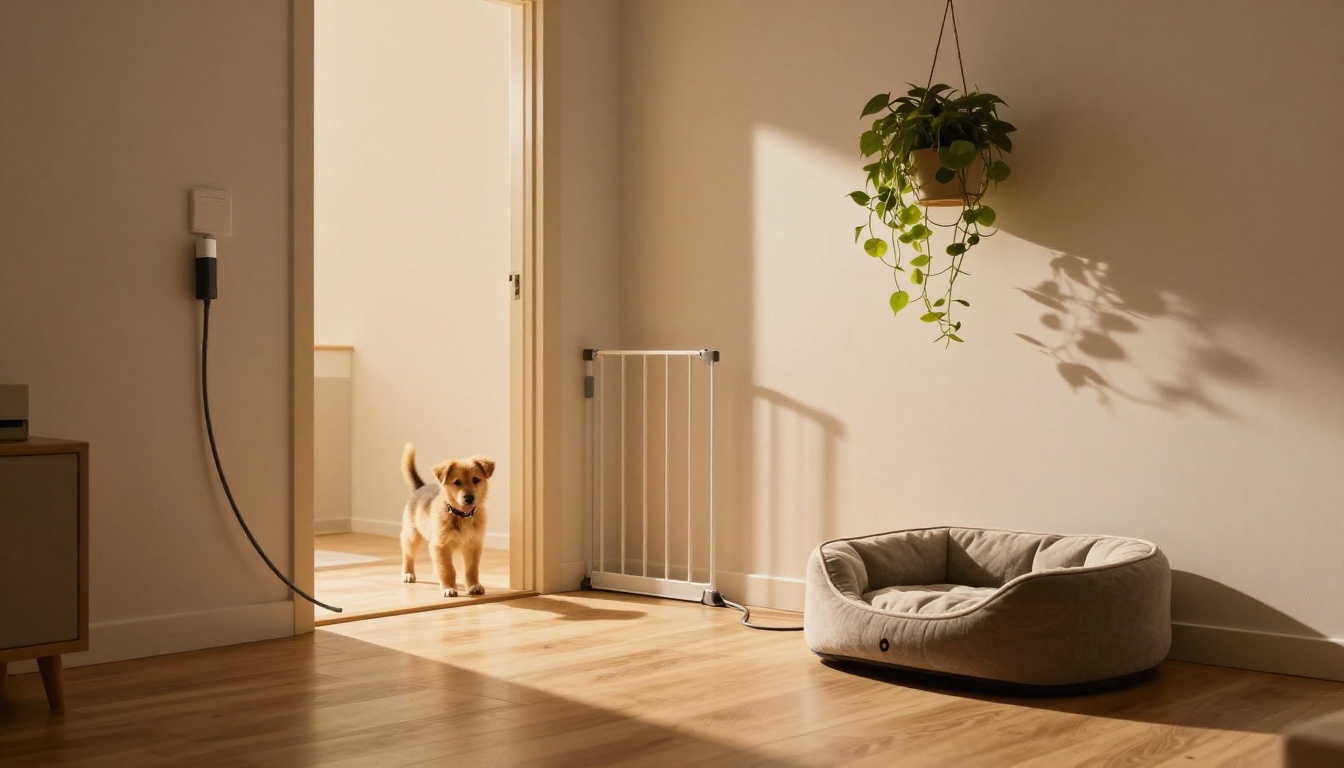
Picture this: your new puppy bounds through the door, tail wagging like crazy. In minutes, he chews a cord, knocks over a plant, and eyes the trash can. Chaos hits fast if you skip prep work.
You want your pet safe and happy from day one. Proper setup cuts accidents, eases stress, and speeds bonding. This guide covers how to prepare your home for a new pet, from hazard hunts to custom zones. You’ll also find fresh 2026 tips on smart tools.
Start with a safety sweep. Then stock supplies and build zones. Let’s make your space pet-proof.
Spot and Fix Hidden Dangers Before Your Pet Arrives
Get down on the floor first. See the world from your pet’s view. Cords dangle like chew toys. Plants tempt nibbles. Small fixes now prevent big troubles later.
Pets explore with mouths and paws. A shocked puppy or sick kitten ruins the fun. Check every room. Act before arrival. These steps create a solid safe base.
Protect Wires and Outlets from Curious Paws
Dogs love cords. Cats bat them like prey. Chewing leads to shocks or fires. Tuck wires behind furniture. Use cord covers or spiral wraps.
Pet-safe outlet plugs block access too. Check for frayed spots. Replace them right away. In 2026, flexible cord channels stick better and last longer.
One owner found his pup tangled in holiday lights. Quick covers stopped repeats. Simple changes keep everyone safe.
Clear Out Toxins from Plants, Foods, and Chemicals
Many plants poison pets. Lilies harm cats fast. Sago palms hurt dogs. Chocolate, grapes, and onions top food no-nos too.
Move cleaners and meds to high, locked shelves. Trash cans need tight lids. For full lists, check the ASPCA’s toxic and non-toxic plants guide.
Swap risky plants for safe ones like spider plants. Symptoms hit quick: vomiting or worse. Prevention saves vet bills.
Block Access to Unsafe Areas with Smart Barriers
Stairs spell falls for wobbly pups. Garages hide tools. Use baby gates at doorways. Playpens work for kitchens during meals.
Outdoors, patch fence gaps. Gates help potty training by limiting spots. Choose pressure-mounted ones for easy setup.
A cat once slipped through a deck gap. Barriers fixed that risk. They guide pets while you train.
Stock Up on Must-Have Supplies for Day One
Don’t shop last minute. Build a kit now. Basics like bowls and crates set routines. They cut stress for new pets.
Match items to your pet’s size and breed. Stainless bowls clean easy. Toys fight boredom. 2026 enrichment toys dispense treats as they roll.
Split lists by dog or cat. Buy from pet stores or online. Test crates for comfort.
Food, Water, and ID Essentials
Durable bowls won’t tip. Ceramic or steel beats plastic. Refresh water daily. It keeps pets hydrated.
Add a collar with ID tag and your phone number. Lost pets return faster. Start feeding on schedule. Pups eat three times a day.
Vet-approved starter food eases tummy upsets. Transition slow over a week.
Cozy Beds, Crates, and Toys
Pick crate size for adult pet. Too big confuses potty training. Add washable liners and a familiar blanket.
Toys like Kongs hold treats. They redirect chewing. Rotate them to keep interest high.
Bored pets destroy shoes. Good toys build habits.
Grooming and Litter Setup for Cats
Place litter box in a quiet spot. Away from food and noise. Unscented clumping litter works best.
Brush weekly to cut hairballs. Use cat-safe shampoo. Nail clippers prevent scratches.
Scratching posts save furniture. One near beds encourages use.
Create Pet-Perfect Zones Tailored to Dogs or Cats
One big house overwhelms newcomers. Set up dedicated spots first. Dogs need play areas. Cats crave heights and hides.
These zones reduce anxiety. Pets settle faster. Expand access as they adjust.
Tailor by type. Pups need boundaries. Kitties want vertical fun.
Build a Puppy-Proof Puppy Zone
Crate trains for alone time. It prevents chews and accidents. Place in a quiet corner with bed and toys.
Set walk and play routines. They build confidence. Secure cabinets. Trash cans go in locked spots or pantries.
Counter surfers learn quick with gates. Add ramps for older dogs, per 2026 mobility tips.
Design Secure Cat Havens Step by Step
Start in one room. Include litter, food, toys, and a box to hide in. Add cat trees for climbs.
Expand room by room over days. Fixed litter spots stay consistent. Covered beds offer security.
Vertical shelves let cats watch safely. Slow intros cut fear. Families bond smoother.
Skip These 2026 Pitfalls and Try Smart New Trends
Rushing intros stresses everyone. Supervise meets with family or other pets. Skip a quiet zone, and hiding starts.
Inconsistent rules confuse. No vet check misses vaccines. Overstimulation tires new pets.
Instead, try trends. Smart crates with app cameras monitor from afar. Wearables track heart rates and alerts.
Telemedicine apps offer video vet chats. Mobile vets visit home. Treat toys boost mental health.
For gear, see this 2026 smart home tech for pet safety guide. Pet insurance covers surprises. Apps remind on shots and walks.
Pre-adoption visits spot issues early. Play hands-on with wand toys. Skip gadgets for bonding time.
Your home turns guardian with these tweaks.
Prepared homes mean safe pets and happy owners. Sweep for dangers, grab supplies, set zones, and add smart habits. Book that first vet exam now.
Start today. Share your prep stories in comments. Subscribe for more tips.
Tail wags and purrs wait when you prepare your home for a new pet right.